If you’ve ever settled into bed, only to feel your feet ignite with a searing, prickling burn—as if you’re standing barefoot on hot pavement—you’re not imagining it. A burning sensation in the feet at night is a real and often debilitating condition that affects millions. This isn’t just discomfort—it’s your body sending a distress signal. The pain typically flares when you’re lying still, making sleep elusive and recovery impossible. The good news? You don’t have to endure it. Whether your symptoms stem from nerve damage, poor circulation, or nutritional gaps, lasting relief starts with understanding the root cause and taking targeted action—tonight.
The key to stopping the fire in your feet isn’t masking the pain with temporary fixes. It’s about diagnosing the underlying issue, whether it’s undiagnosed prediabetes, a B12 deficiency, or compressed nerves. This guide delivers proven, step-by-step strategies—from cooling techniques and nerve-soothing supplements to medical treatments and prevention habits—so you can finally rest without the nightly torment.
Identify the Root Cause of Nighttime Foot Burning

Treating the symptom without addressing the source is like putting out a kitchen fire with a spray bottle—ineffective and risky. A burning sensation at night is rarely random. It’s a red flag pointing to nerve dysfunction, metabolic imbalance, or circulatory problems.
Rule Out Diabetic and Prediabetic Neuropathy
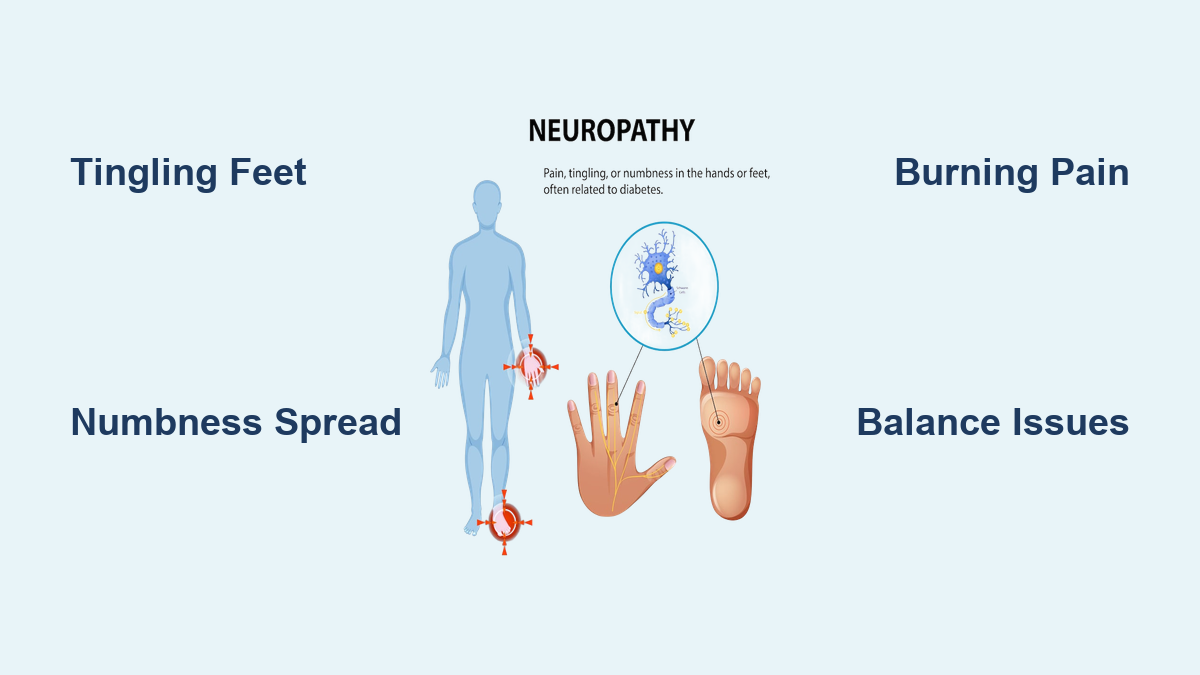
If you have diabetes or prediabetes, nerve damage is the most likely culprit. High blood sugar over time damages the small nerves in your feet, leading to burning, tingling, or electric-like pain—often worse at night. Shockingly, up to 50% of diabetics develop peripheral neuropathy, and for many, foot pain is the first warning sign.
Even if you haven’t been diagnosed, insulin resistance—a precursor to diabetes—can cause early nerve damage. Don’t wait for a formal diagnosis.
What to do:
– Request an HbA1c test—a three-month average of your blood sugar levels.
– Aim for HbA1c below 7% to slow or prevent nerve damage.
– Monitor fasting glucose; levels above 100 mg/dL suggest prediabetes.
Early intervention can halt progression and even reverse mild nerve damage.
Check for Vitamin B Deficiencies
Nerves need B vitamins to function and repair. Deficiencies in B12, B1 (thiamine), and B6 are common yet often overlooked causes of burning feet—especially in vegans, older adults, heavy drinkers, or those on long-term metformin.
Watch for these clues:
– Balance issues or “walking drunk” without alcohol (B12 deficiency)
– History of alcohol use (linked to B1 and B12 loss)
– Tingling that improves with a multivitamin
Solution: Ask your doctor for blood tests to check B12, folate, B6, and thiamine. If levels are low, supplements or injections can dramatically improve symptoms—sometimes within weeks.
Consider Small Fiber Neuropathy
This condition affects the tiny nerves responsible for pain and temperature but won’t show up on standard EMG or nerve conduction tests. It causes intense burning at night, often with normal reflexes and muscle strength, making it easy to miss.
Diagnosis:
– Requires a skin biopsy to measure nerve fiber density in the lower leg.
– Linked to diabetes, autoimmune disorders, or genetic conditions.
If your doctor says “the tests are normal” but your feet still burn, insist on a referral to a neurologist for a skin biopsy. It’s the only way to confirm this hidden cause.
Immediate Relief Strategies at Home
While you work on diagnosis, you can reduce nighttime discomfort with safe, effective home remedies.
Cool, Don’t Ice Your Feet
Heat worsens nerve irritation. A cool foot soak before bed calms overactive nerves without risking injury.
How to do it:
– Fill a basin with cool water (60–70°F)—never ice-cold.
– Soak feet for 15–20 minutes.
– Dry thoroughly and apply a gentle moisturizer.
⚠️ Avoid ice packs or freezing water, especially if you have numbness. You may not feel frostbite until it’s too late.
Try an Epsom Salt Soak
Epsom salt (magnesium sulfate) may help reduce inflammation and support nerve function through transdermal magnesium absorption.
Method:
– Add 1–2 cups Epsom salt to warm (not hot) water.
– Soak for 15–20 minutes, 3 times per week.
– Best used 30–60 minutes before bed.
While scientific evidence is limited, many report reduced burning and cramping—especially when combined with other strategies.
Optimize Your Sleep Environment
Your bedroom setup can either calm or trigger nerve flares.
Keep Feet Cool and Uncovered
Overheating is a major trigger. Maintain a cool room (65–68°F) and avoid heavy blankets.
Tips:
– Use lightweight, breathable cotton or bamboo sheets.
– Sleep with feet outside the covers or wear loose, moisture-wicking socks.
– Place a fan near the bed or use a cooling mattress pad.
Even a slight drop in foot temperature can silence overactive nerves.
Elevate Feet Slightly
Lying flat can cause blood to pool in your feet, increasing pressure on nerves and worsening burning.
Fix it:
– Place a small pillow under your ankles—not your calves—to improve blood flow back to the heart.
– Avoid crossing your legs, which compresses nerves and reduces circulation.
Even a slight elevation can reduce swelling and discomfort.
Daily Habits That Reduce Burning
Long-term relief comes from daily habits that protect your nerves and improve blood flow.
Wear Supportive, Proper-Fitting Shoes
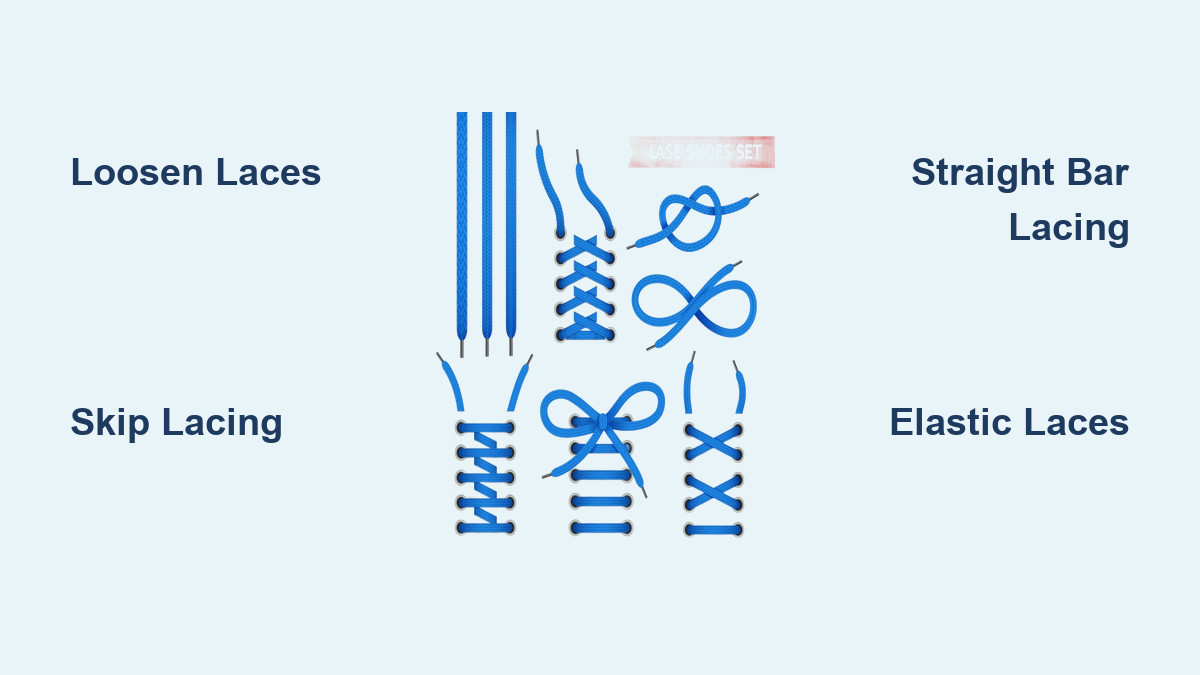
Flip-flops, tight heels, or overly flexible soles crush nerves and worsen symptoms.
Look for:
– Stiff heel counter—resists squeezing when you press on it.
– Arch support and cushioned insole.
– Wide toe box—your toes should wiggle freely.
Replace shoes every 6–12 months or after 500 miles of wear. Worn-out shoes offer no support.
Use Orthotics for Pressure Relief
Over-the-counter or custom orthotics redistribute weight and reduce nerve irritation.
Best for:
– Flat feet or high arches
– Tarsal tunnel syndrome
– Morton’s neuroma
Start with gel or foam inserts; upgrade to custom orthotics if pain persists.
Nerve-Soothing Supplements

Certain supplements protect nerves, reduce inflammation, and improve function—especially when deficiencies are present.
| Supplement | Role | Dosage |
|---|---|---|
| Alpha-lipoic acid | Antioxidant that improves nerve conduction | 300–600 mg/day |
| Vitamin B12 | Repairs myelin sheath | 1000–2000 mcg/day (sublingual) |
| Vitamin B1 (Thiamine) | Prevents diabetic and alcoholic neuropathy | 100–300 mg/day |
| Magnesium | Reduces cramps and nerve excitability | 300–400 mg/day |
| Omega-3s | Anti-inflammatory, supports nerve membranes | 1000–2000 mg/day |
⚠️ Avoid high-dose B6 (>100 mg/day)—it can cause neuropathy. Always consult your doctor before starting supplements, especially if on medication.
Stretch and Massage for Circulation and Relief
Daily movement improves blood flow and reduces nerve compression.
Essential Stretches (Do Daily)
-
Towel Stretch:
– Sit with legs straight.
– Loop a towel around the ball of your foot.
– Gently pull toes toward you. Hold 30 seconds. Repeat 3x per foot. -
Plantar Fascia Stretch:
– Before getting out of bed, flex your foot and massage the arch with your hand. -
Ankle Circles:
– Rotate each ankle 10 times clockwise, 10 counterclockwise.
Foot and Calf Massage
- Use your hands or a foot roller for 5–10 minutes daily.
- Try a frozen water bottle—roll under your foot for cooling + massage.
Improves circulation and reduces muscle tightness that aggravates nerves.
Medications That Actually Work

When home care isn’t enough, targeted medications can silence nerve pain.
First-Line Neuropathic Pain Drugs
- Gabapentin (Neurontin) or Pregabalin (Lyrica):
- Calm overactive nerves.
-
Start low, increase slowly—side effects include drowsiness and dizziness.
-
Duloxetine (Cymbalta) or Amitriptyline:
- Antidepressants that also treat nerve pain.
- Amitriptyline helps with both pain and sleep—ideal for nighttime symptoms.
Topical Treatments
- Lidocaine Patches (5%):
- Apply to painful areas for up to 12 hours.
-
Numbs nerves without systemic side effects.
-
Capsaicin Cream (0.075% or 8% prescription):
- Depletes substance P, a pain neurotransmitter.
- May burn at first—use gloves and wash hands after.
When to See a Doctor
Home remedies help, but some signs mean you need medical help now.
Red Flags: Seek Care Immediately
- Numbness or weakness in legs or feet
- Open sores, ulcers, or infections (especially if diabetic)
- Sudden swelling, redness, or warmth in one foot (possible DVT)
- Loss of temperature sensation
- Symptoms spreading up the legs
Who to See
- Neurologist: For nerve testing (EMG, skin biopsy)
- Podiatrist: For foot care, orthotics, fungal infections
- Endocrinologist: If diabetes or thyroid issues are suspected
- Pain Specialist: For chronic, unresponsive pain
Prevent Future Flare-Ups
Once you gain relief, protect your nerves long-term.
5 Prevention Habits
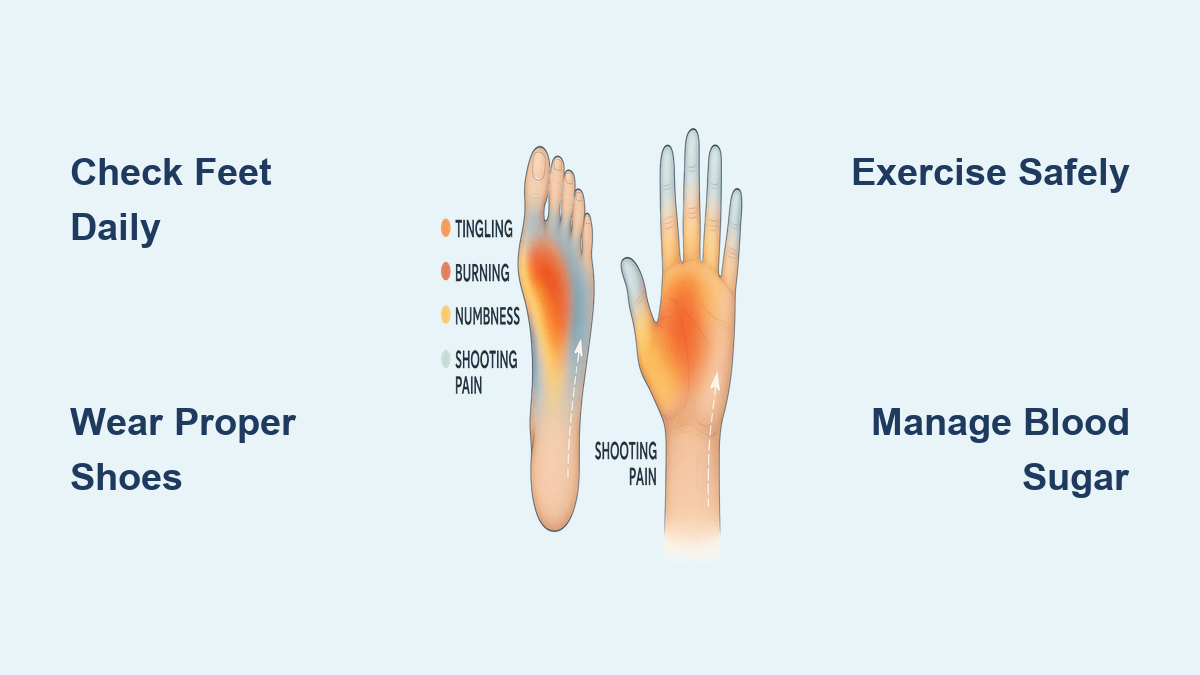
- Check feet daily—look for cuts, redness, or swelling.
- Get annual blood work—monitor glucose, B12, thyroid, and kidney function.
- Quit smoking—it damages blood vessels and worsens circulation.
- Limit alcohol—it’s toxic to nerves and depletes B vitamins.
- Control blood sugar—even if not diabetic, reduce processed carbs and sugar.
Summary: Key Takeaways
- Burning feet at night often signals nerve damage—most commonly from diabetes, vitamin deficiency, or alcohol.
- Symptoms worsen at night due to inactivity, temperature changes, and reduced distractions.
- Small fiber neuropathy is common but missed—requires skin biopsy for diagnosis.
- Cool soaks, proper footwear, stretching, and supplements provide real relief.
- Gabapentin, Cymbalta, and lidocaine patches are proven medications.
- See a doctor if you have numbness, ulcers, or sudden one-sided swelling.
- Prevention beats treatment—manage chronic conditions and protect your nerves daily.
You don’t have to suffer through another sleepless night. With the right approach, burning feet can improve—sometimes dramatically. Start with the basics: cool your feet, check your shoes, test for deficiencies, and act fast if red flags appear. Relief is possible—and it starts tonight.