If you’re living with diabetes and feel a persistent burning, tingling, or sharp pain in your feet—especially at night—you’re not alone. Diabetic foot pain, most often caused by diabetic peripheral neuropathy (DPN), affects up to 50% of people with diabetes, and about 20% experience painful symptoms. Left unchecked, this nerve damage can lead to numbness, ulcers, infections, and even amputation. But the good news is: diabetic foot pain can be managed effectively with the right approach.
The key lies in a multimodal strategy—one that combines tight blood sugar control, targeted medications, daily foot care, lifestyle changes, and early intervention. This guide delivers actionable, evidence-based steps to relieve pain, slow nerve damage, and prevent complications. From FDA-recommended drugs to practical foot hygiene tips and emerging therapies, you’ll learn exactly what works—and what to avoid. Whether you’re newly diagnosed or struggling with chronic discomfort, these proven methods can help you regain comfort, mobility, and confidence.
Control Blood Sugar to Slow Nerve Damage
Prioritize HbA1c Targets
The foundation of preventing and managing diabetic foot pain is strict glycaemic control. High blood glucose over time directly damages nerves, especially in the feet. Keeping your HbA1c within target range (typically below 7% for most adults) can significantly slow or even halt neuropathy progression.
In type 1 diabetes, the DCCT trial showed that intensive insulin therapy reduces the risk of developing neuropathy by 60%, with benefits lasting years—a phenomenon known as “metabolic memory.” For type 2 diabetes, while evidence is less definitive, maintaining stable glucose levels still helps prevent microvascular complications, including nerve damage.
Action Steps:
– Monitor blood sugar regularly.
– Work with your doctor to adjust medications or insulin.
– Use continuous glucose monitors (CGMs) if available.
– Aim for consistency—not just daily spikes but long-term stability.
Address Insulin Resistance and Weight
Obesity and insulin resistance worsen nerve dysfunction. Losing even 5–10% of body weight can improve insulin sensitivity, reduce inflammation, and enhance nerve function. A combination of diet, exercise, and medication (like metformin or GLP-1 agonists) supports both glucose control and neuropathy prevention.
Use Proven Medications for Pain Relief

Start with First-Line Drugs
When pain interferes with sleep or daily life, pharmacological treatment is essential. Guidelines from NICE, AAN, and NeuPSIG recommend starting with one of three first-line options:
- Duloxetine (60–120 mg/day): An SNRI that boosts serotonin and norepinephrine. NNT (Number Needed to Treat) = 6.0 for ≥50% pain relief.
- Pregabalin (150–600 mg/day): Binds calcium channels to reduce nerve signaling. NNT = 5.0—slightly more effective than duloxetine.
- Gabapentin: Similar mechanism to pregabalin. NNT = 5.8. Dose gradually increased to minimize drowsiness.
Pro Tip: Pregabalin often works faster but may cause weight gain or swelling. Duloxetine can help with depression, common in chronic pain patients.
Consider Amitriptyline with Caution
Amitriptyline, a tricyclic antidepressant (TCA), is highly effective (NNT = 1.3) but carries more side effects—drowsiness, dry mouth, constipation, and fall risk in older adults. It’s often used at low doses (10–50 mg at bedtime) and is best avoided in patients with heart issues or glaucoma.
Try Topical Treatments for Localized Pain
For pain in specific areas, topical agents minimize systemic side effects:
- Lidocaine 5% patch: Apply up to 4 patches for 12–18 hours daily. Ideal for localized burning or allodynia (pain from light touch).
- Capsaicin 0.075% cream: Use 3–4 times daily. May cause initial burning; desensitizes nerves over time.
- High-dose capsaicin (8% patch): Applied once in-clinic under supervision. Provides relief for up to 12 weeks.
Avoid ketamine 5% cream—studies show it performs no better than placebo.
Reserve Opioids for Severe, Refractory Cases
Tramadol (NNT = 3.8) and tapentadol ER (FDA-approved for PDN) offer short-term relief but come with risks: addiction, constipation, sedation, and tolerance. Oxycodone is effective but not recommended for long-term use. If opioids are necessary:
– Screen for addiction risk (e.g., Opioid Risk Tool).
– Use lowest effective dose for shortest duration.
– Combine with non-opioid therapies.
Adopt Daily Foot Care Habits
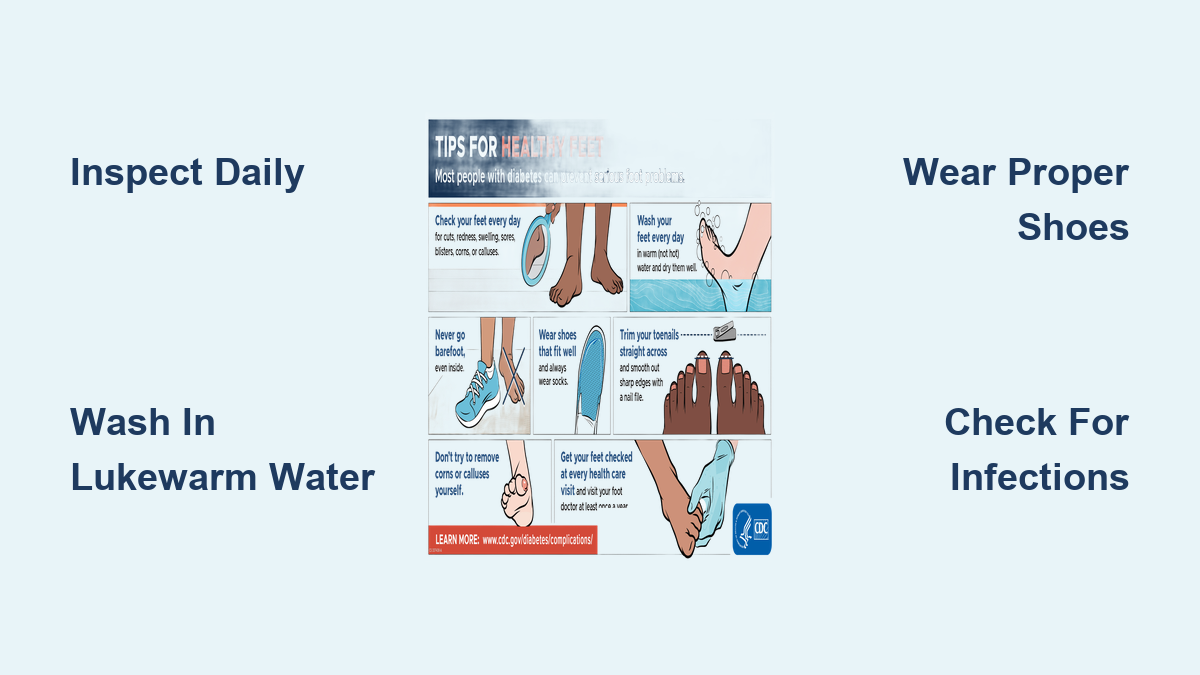
Inspect Feet Every Day
Loss of sensation means injuries go unnoticed. A small blister can turn into an ulcer in days. Check your feet daily:
– Look for cuts, redness, swelling, blisters, or nail changes.
– Use a mirror or ask a family member to check the soles.
– Report any wound that doesn’t heal in 2–3 days.
Wash and Dry Feet Properly
- Use lukewarm water and mild soap—never hot.
- Dry thoroughly, especially between toes (moisture breeds fungus).
- Do not soak feet—this can dry out skin and cause cracks.
Moisturize—But Avoid Between Toes
Apply diabetic foot cream or urea-based lotion to prevent dry, cracked skin. Skip the spaces between toes to reduce fungal infection risk.
Trim Nails Safely
- Cut straight across, not curved.
- File edges with an emery board to prevent ingrown toenails.
- See a podiatrist if you have poor vision, circulation, or difficulty reaching your feet.
Wear Proper Footwear and Socks

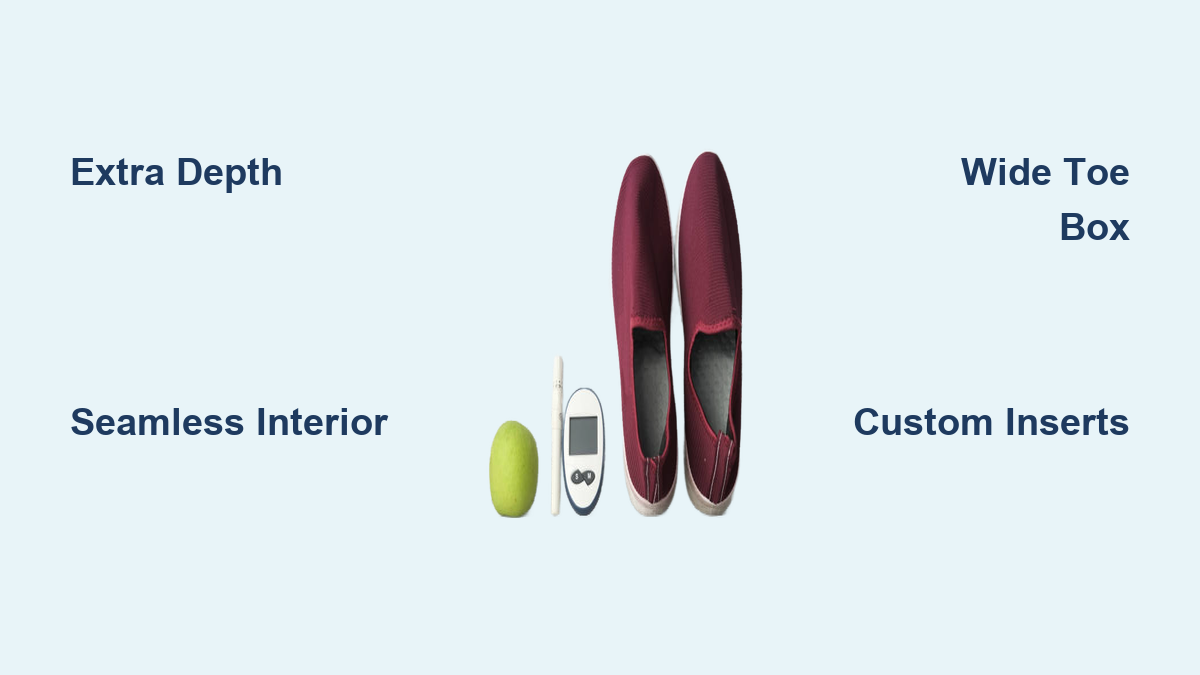
Choose Diabetic-Friendly Shoes
Ill-fitting shoes cause pressure points and ulcers. Wear well-fitted, supportive shoes with:
– Wide toe boxes
– Cushioned soles
– Adjustable closures (laces or Velcro)
Avoid: High heels, flip-flops, pointed toes, or worn-out shoes.
Pro Tip: Get your feet measured regularly—diabetes can change foot shape.
Use Custom Orthotics if Needed
Custom-molded insoles redistribute pressure, especially if you have flat feet, calluses, or deformities. They reduce ulcer risk by up to 50% in high-risk patients.
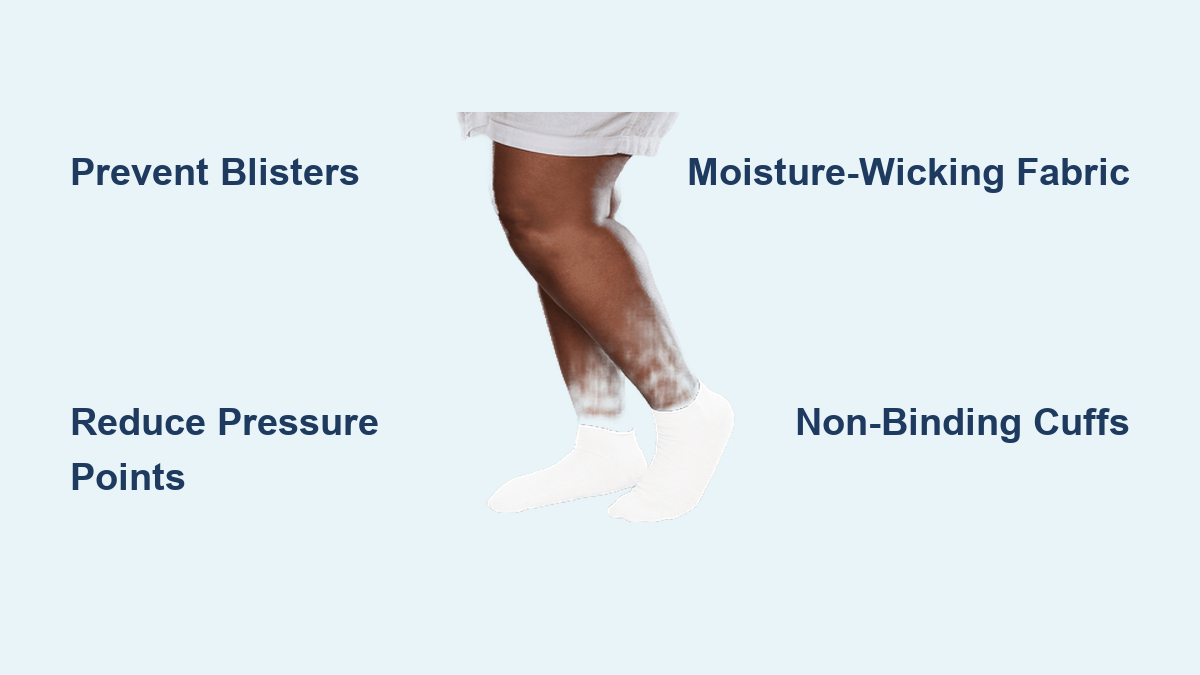
Wear Clean, Moisture-Wicking Socks
Choose cotton, wool, or synthetic blends that pull moisture away from skin. Avoid socks with tight elastic bands that restrict circulation. Consider diabetic socks with seamless toes and extra padding.
Never walk barefoot—even indoors. Always wear shoes or slippers.
Address Circulation and Infection Risks

Check for Poor Blood Flow
Peripheral arterial disease (PAD) reduces blood supply to the feet, slowing healing and increasing amputation risk. Signs include:
– Cold feet
– Pain when walking (claudication)
– Weak or absent pulses
If you suspect poor circulation, ask your doctor for an ankle-brachial index (ABI) test.
Prevent and Treat Infections Early
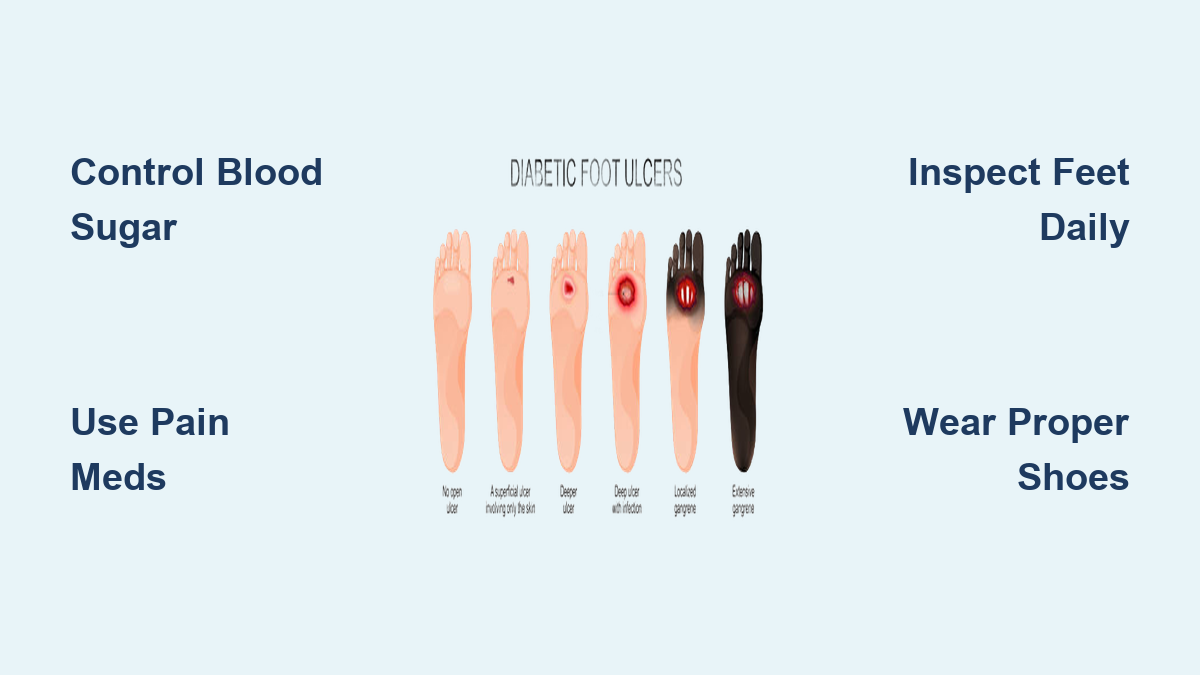
Due to reduced immunity and sensation, minor injuries can escalate quickly. Act fast:
– Clean any cut with mild soap and water.
– Apply antibiotic ointment and cover with a sterile bandage.
– Monitor for redness, warmth, pus, or swelling—signs of infection.
Seek immediate medical care for any foot wound that doesn’t improve within 48 hours.
Try Non-Drug Pain Therapies
Use TENS for Pain Modulation
Transcutaneous Electrical Nerve Stimulation (TENS) delivers low-voltage current through skin electrodes, interrupting pain signals. Studies show 6 out of 8 trials found significant pain relief. Use at home daily for 30–60 minutes.
Best for: Burning, electric-like pain.
Explore Acupuncture as an Adjunct
While evidence is mixed due to poor blinding in trials, some patients report relief from acupuncture. A single RCT showed improvement over sham treatment. May be worth trying if other methods fail.
Consider Botulinum Toxin Injections
Intradermal Botox injections in small studies reduced pain and improved sleep in PDN patients. Though not yet standard, it’s a promising option for localized, refractory pain.
Practice Mind-Body Techniques
Cognitive Behavioral Therapy (CBT), meditation, and biofeedback help manage the emotional toll of chronic pain. They don’t eliminate pain but improve coping, sleep, and quality of life.
Seek Advanced Treatments for Severe Cases
Get Nerve Blocks for Targeted Relief
For pain unresponsive to oral meds, nerve blocks inject anesthetic or steroids near affected nerves (e.g., sciatic or tibial). Effects may last weeks to months.
Consider Spinal Cord Stimulation (SCS)
SCS implants deliver electrical pulses to the spinal cord, masking pain signals. Used for refractory neuropathic pain, it’s effective in selected patients and may reduce opioid use.
Explore Regenerative Therapies
Platelet-Rich Plasma (PRP) and stem cell injections are under investigation for nerve regeneration. While not yet standard, they’re offered at specialized centers (e.g., Dallas Pain Institute) as part of clinical protocols.
Understand Surgical Options
- Charcot foot reconstruction: Corrects collapsed joints to prevent ulcers.
- Amputation: Last resort for gangrene or non-healing ulcers. Early care reduces risk by up to 85%.
Make Lifestyle Changes That Protect Your Feet
Exercise Regularly
Low-impact activities like walking, swimming, or cycling improve blood flow, glucose control, and balance. Aim for 30 minutes, 5 days a week. Wear proper shoes and inspect feet afterward.
Quit Smoking Immediately
Smoking narrows blood vessels, worsening circulation and healing. Smokers with diabetes have a 2–4 times higher amputation risk. Use counseling, nicotine replacement, or prescription aids (e.g., varenicline) to quit.
Eat a Nerve-Protective Diet
Focus on:
– Low-glycemic foods (vegetables, legumes, whole grains)
– Omega-3 fatty acids (fatty fish, flaxseeds) to reduce inflammation
– B vitamins (especially B1, B6, B12) for nerve health
Avoid sugary drinks and processed foods.
Monitor and Prevent Complications
Schedule Annual Foot Exams
Every year, get a comprehensive foot assessment, including:
– Monofilament test (checks for loss of sensation)
– Vibration testing (128 Hz tuning fork)
– Ankle reflexes
– Circulation and structural evaluation
Failure to feel the 10-g monofilament means high ulcer risk.
Use Advanced Diagnostics When Needed
For early or unclear cases:
– Corneal Confocal Microscopy (CCM): Non-invasive imaging of nerve damage.
– Skin biopsy: Measures nerve fiber density—gold standard for small fiber neuropathy.
– Nerve conduction studies (NCS): Best for large fiber assessment.
Join a Multidisciplinary Care Team
For complex cases, a team approach works best:
– Endocrinologist: Manages diabetes.
– Podiatrist: Handles foot care and ulcers.
– Pain specialist: Optimizes medication.
– Vascular surgeon: Addresses circulation issues.
Centers of Excellence offer integrated care, including regenerative treatments and patient education.
Final Note: Managing diabetic foot pain isn’t about one quick fix—it’s about consistent, proactive care. By combining tight glucose control, proven medications, daily foot hygiene, proper footwear, and lifestyle changes, you can reduce pain, prevent ulcers, and avoid amputation. Start today: inspect your feet, review your meds with your doctor, and take one step toward healthier feet—and a better quality of life.