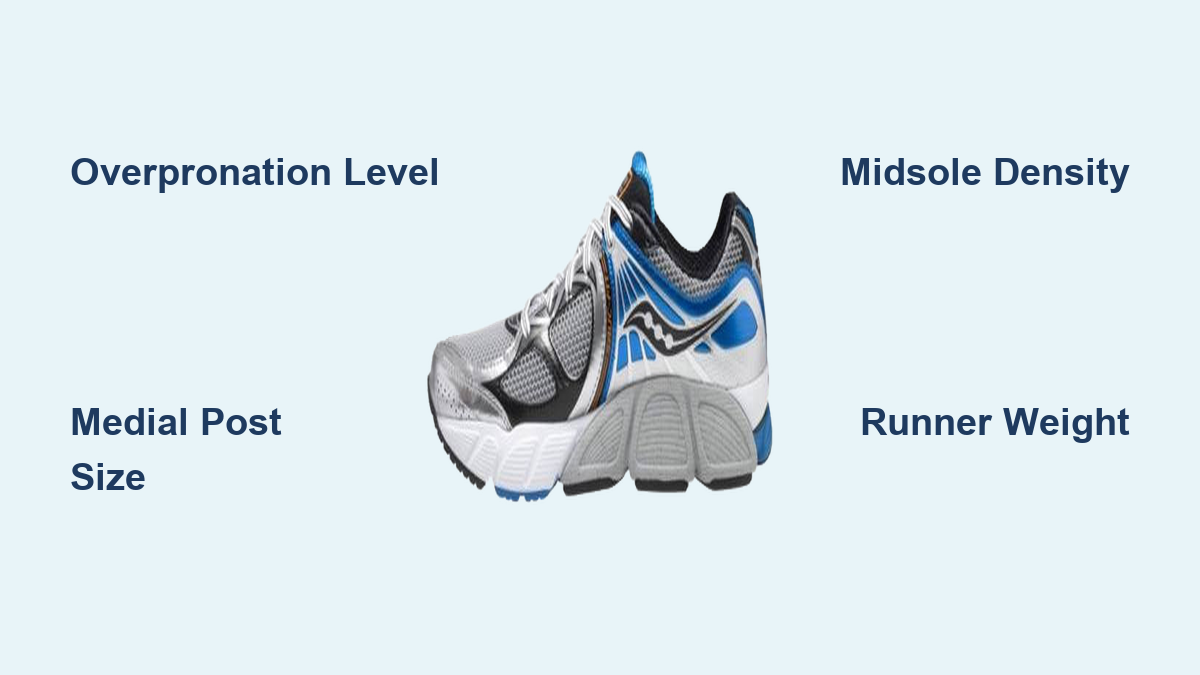
If you’ve ever stood in a running store staring at rows of shoes labeled “stability” or “motion control,” wondering which one you actually need, you’re not alone. The difference between a motion control shoe vs stability shoe isn’t always obvious—but choosing the right one can mean the difference between pain-free miles and chronic injuries like plantar fasciitis, shin splints, or knee strain.
Both types are designed to manage overpronation, the excessive inward rolling of the foot during the gait cycle. But they do so in different ways and for different types of runners. A stability shoe offers moderate correction for mild to moderate overpronation, while a motion control shoe delivers maximum restriction for severe overpronation or flat feet. Using the wrong type—especially a motion control shoe when you don’t need it—can actually cause more harm than good.
In this guide, you’ll learn exactly how these shoes differ in design, who should wear them, how to identify your gait type, and how to pick the best shoe based on your body, stride, and running goals—all backed by biomechanical research and real-world testing.
Who Needs Stability or Motion Control Shoes?
Overpronation: The Core Problem
Overpronation occurs when your foot rolls too far inward after heel strike, causing the arch to collapse and the ankle to tilt inward. This misalignment can stress the plantar fascia, Achilles tendon, shin muscles, and even the knees and hips over time.
- Mild to moderate overpronation = ideal for stability shoes
- Severe overpronation or flat feet = best supported by motion control shoes
- Neutral pronation = should use neutral shoes
- Supination (underpronation) = needs cushioned neutral shoes, not stability or motion control
⚠️ Critical Insight: Just having flat feet doesn’t automatically mean you overpronate. Some flat-footed people have rigid arches and run neutrally. Always assess motion, not just structure.
Stability Shoes: Support Without Restriction
Designed for Mild to Moderate Overpronation
Stability shoes are the middle ground between neutral and motion control footwear. They provide enough support to correct slight to moderate foot roll without feeling stiff or clunky.
These shoes are ideal if:
– You have low or flexible arches
– Your foot shows moderate inward tilt during gait
– You’re a medium-weight runner (under 180 lbs)
– You want cushioning with light-to-moderate correction
They’re commonly used for daily training, long runs, and general fitness—balancing comfort and biomechanical alignment.
Key Features of Stability Shoes
Medial Post for Controlled Roll
A medial post is a denser slab of foam embedded in the inner side of the midsole, from heel to arch. It resists compression, preventing the foot from rolling too far inward.
- Visually: Often appears as a darker-colored wedge in the midsole
- Feel: Firm to the touch on the inside, softer on the outside
- Function: Acts like a “speed bump” that slows down overpronation
🔍 Pro Tip: Press your thumb into the midsole. If one side is noticeably firmer, that’s the medial post.
Semi-Rigid Construction
Stability shoes are more structured than neutral shoes but still allow some natural foot flex. This makes them more comfortable for runners transitioning from neutral shoes due to emerging overpronation.
- Arch support is enhanced but not rigid
- Heel counters are moderately stiff
- Uppers have supportive overlays on the medial side
Balanced Weight and Flexibility
Compared to motion control shoes, stability models are:
– Lighter (typically 8–10 oz for men)
– More flexible, especially in the forefoot
– Smaller medial post, covering only the arch and heel
This makes them better suited for faster paces and longer training sessions.
Best Stability Shoe Examples

- Brooks Adrenaline GTS – Reliable daily trainer with GuideRails support
- Asics GT-2000 / GT-1000 – Dual-density midsole and Rearfoot GEL cushioning
- Saucony Guide Series – Lightweight stability with PWRRUN foam
- New Balance 860 – Durable, firm support for moderate overpronators
✅ Ideal For: Runners who need a little help staying aligned without sacrificing comfort or speed.
Motion Control Shoes: Maximum Support for Severe Overpronation
Built for Heavy Impact and Flat Feet
Motion control shoes are the most supportive running shoes available. They’re engineered for runners with severe overpronation, collapsed arches, or hypermobility in the ankles—especially those who are heavier or logging high mileage.
These shoes don’t just resist inward roll—they actively prevent it through rigid construction and full-foot stabilization.
Best for:
– Confirmed severe overpronators
– Flat-footed or hypermobile runners
– Runners over 180–200 lbs
– Injury-prone or post-injury recovery
They’re not built for speed or agility but for durability, alignment, and protection.
Key Features of Motion Control Shoes

Extended Medial Post
Unlike stability shoes, motion control models have a larger, more rigid medial post that extends further along the midfoot and into the forefoot.
- Covers more surface area
- Made from higher-density EVA or rubber
- Prevents midsole collapse under heavy load
This ensures the shoe maintains its shape even after hundreds of miles.
Firm, Dense Midsole
The entire midsole is often built with high-density foam, especially on the medial side. This reduces compression and deformation during footstrike.
- Less cushioned than neutral shoes
- Prioritizes structural integrity over softness
- Resists permanent “tilt” from uneven wear
⚠️ Warning: Too firm a midsole can increase impact stress in lighter runners or those with stiff gait.
Reinforced Heel Counter
A deep, cup-like heel counter locks the rearfoot in place and prevents inward tilting (valgus collapse).
- Made from rigid plastic or thermoplastic
- Extends high up the ankle for added stability
- Minimizes lateral movement during stance phase
Stiff Upper and Wide Base
- Supportive overlays on the medial side of the upper limit stretch and flex
- Flared outsole widens the base to prevent tipping
- Harder rubber on the medial side increases durability
These features make the shoe feel bulky compared to neutral or stability models—but necessary for controlling severe motion.
Minimal Flexibility
Motion control shoes are very stiff, especially along the medial arch.
- Resists torsional twist (foot turning side-to-side)
- Limits natural foot splay and roll
- Can feel “restrictive” to neutral or supinated runners
❌ Not recommended for forefoot strikers or runners with high arches.
Best Motion Control Shoe Examples

- Brooks Beast – Legendary support for heavy overpronators
- Asics Gel-Foundation – Maximum correction with rearfoot and forefoot GEL
- New Balance 1220 – Wide platform, durable, built for high-mileage flat-footed runners
- Saucony ProGrid Integrity ST – Discontinued but set the standard for multi-zone control
✅ Ideal For: Runners who need maximum correction and generate high impact forces.
Stability vs Motion Control: Side-by-Side Comparison

| Feature | Stability Shoe | Motion Control Shoe |
|---|---|---|
| Overpronation Level | Mild to moderate | Severe |
| Medial Post Size | Moderate, localized | Large, extended |
| Midsole Density | Firmer only on medial side | Firm throughout |
| Heel Counter | Moderately rigid | Highly rigid, deep cup |
| Flexibility | Semi-rigid, moderate flex | Very stiff, minimal flex |
| Weight | 8–10 oz (men) | 10–13 oz (men) |
| Durability | High | Very high |
| Foot Type | Low to normal arches | Flat feet, hypermobile joints |
| Runner Weight | Up to 180 lbs | 180+ lbs |
| Best Use Case | Daily training, moderate mileage | High-mileage, injury-prone, heavy runners |
📌 Rule of Thumb: If you’re unsure, start with a stability shoe. Most overpronators don’t need full motion control.
How to Know Which You Need
Step 1: Perform the Wet Test
- Wet the bottom of your foot
- Step onto a brown paper bag or cardboard
- Examine the imprint
- Full footprint = likely flat foot, overpronator → consider motion control
- Narrow band = high arch, possible supinator → avoid both
- Moderate arch imprint = mild overpronation → try stability
🔍 Limitation: The wet test only shows arch height, not motion. A rigid flat foot may not overpronate.
Step 2: Check Your Shoe Wear
Look at your old running shoes—especially the outsole under the forefoot and heel.
- Excessive wear on the inner edge (medial side) = overpronation
- Wear on the outer edge (lateral side) of the forefoot = possible supination
- Heel wear alone is normal—most people land on the lateral heel
⚠️ Caution: Wear patterns can be misleading. Some shoes naturally wear medially due to design.
Step 3: Get a Gait Analysis
The most accurate way to diagnose overpronation.
- Video gait analysis at a specialty running store
- Slow-motion footage from behind while walking or running
- Look for:
- Heel tilting inward after strike
- Arch collapsing during midstance
- Knee drifting inward (knee valgus)
🎯 Pro Insight: Combine gait analysis with foot type and weight for best results.
Who Should Avoid Motion Control Shoes?
Supinators (Underpronators)
Supinators roll outward and need soft, cushioned shoes to absorb impact. Motion control shoes can force the foot outward, increasing stress on the lateral ankle and iliotibial (IT) band.
Neutral Runners
Even if you have flat feet, if your gait is neutral, a motion control shoe will restrict natural motion and may cause shin splints or knee pain.
Forefoot Strikers
These runners land on the ball of the foot, bypassing the heel and medial post. The rigid structure provides no functional benefit and can interfere with toe-off.
Can You Use Orthotics Instead?
Yes—and sometimes it’s better.
- Custom orthotics provide personalized correction and can be used in neutral shoes
- Allows for more natural shoe feel with targeted support
- Ideal for runners who want flexibility but need arch control
💡 Best Combo: Neutral shoe with removable insole + custom orthotic = tailored support without overbuilt structure.
Weight Matters: Heavier Runners Need More Support
If you weigh over 180–200 lbs, your feet generate significantly higher impact forces.
- Midsoles compress more, increasing overpronation risk
- Shoes break down faster, especially on the medial side
- Motion control or max-stability shoes help maintain alignment and extend shoe life
🏋️ Example: A 220-lb runner with mild overpronation may still benefit from a motion control shoe due to load.
Common Mistakes to Avoid
1. Assuming Flat Feet = Motion Control
Not all flat-footed people overpronate. Some have rigid, stable arches. Always assess gait, not just foot shape.
2. Buying Based on Salesperson Advice Alone
Staff knowledge varies widely. Use their input, but verify with gait analysis and testing.
3. Wearing Motion Control When You’re a Supinator
This is a common cause of injury. Structured shoes can force the foot into unnatural motion, leading to lateral knee pain, IT band syndrome, or plantar fascia strain.
4. Ignoring How the Shoe Feels
No amount of tech can override comfort. If it pinches, slips, or feels unstable, don’t buy it—even if it’s “recommended.”
Final Recommendations
Choose a Stability Shoe If:
- You have mild to moderate overpronation
- You’re a medium-weight runner
- You want support without stiffness
- You’re new to structured shoes
Choose a Motion Control Shoe If:
- You have severe overpronation or flat feet
- You’re over 180–200 lbs
- You’ve had injuries linked to overpronation
- You log high mileage and need durability
Try These Neutral Shoes If You Have Flat Feet But Run Neutrally:
- Brooks Dyad – Wide base, firm ride, excellent stability
- Asics Fortitude – Supportive neutral with roomy fit
- Brooks Glycerin – Smooth, cushioned ride for neutral flat-footed runners
- Mizuno Wave Creation – Max cushion with stable platform
Bottom Line: Match the Shoe to Your Biomechanics
The difference between a motion control shoe vs stability shoe comes down to degree of correction, structural rigidity, and user profile.
- Stability shoes = moderate support for mild overpronators
- Motion control shoes = maximum restriction for severe overpronation or heavy runners
The best way to decide? Get your gait analyzed, test shoes on a treadmill, and pay attention to how your body feels—not just what the label says.
✅ Final Tip: Most runners can safely use a shoe with more support than needed. The real danger is using too little—which can lead to injury over time.
Choose wisely, run safely.