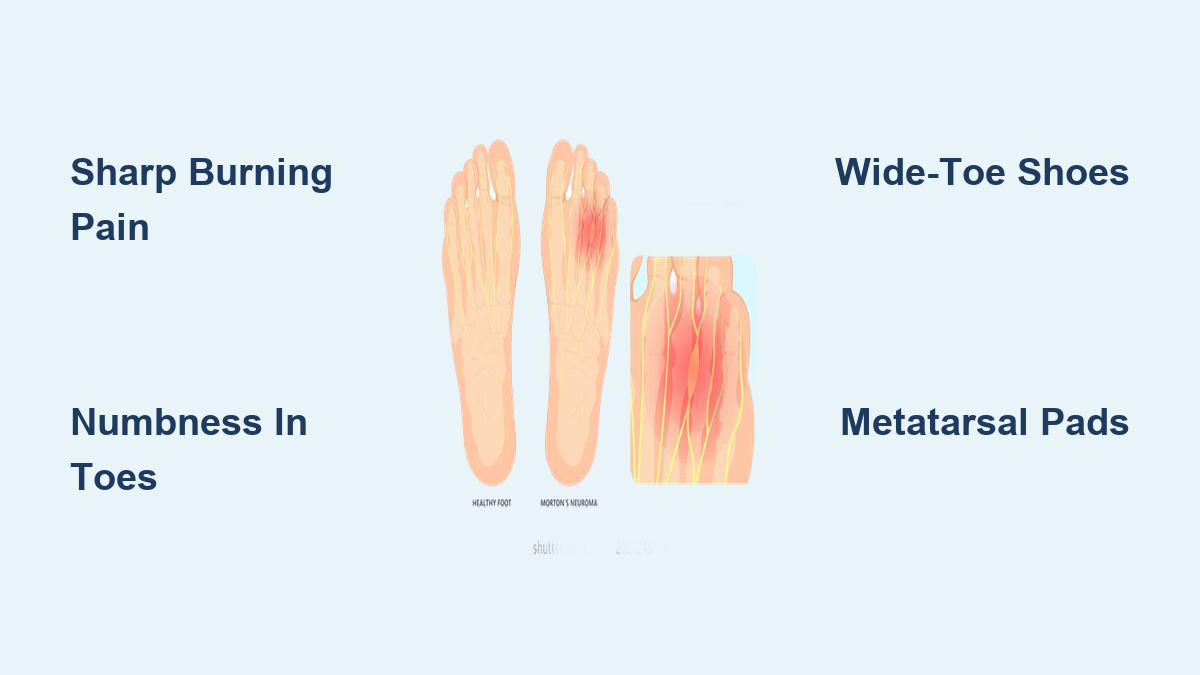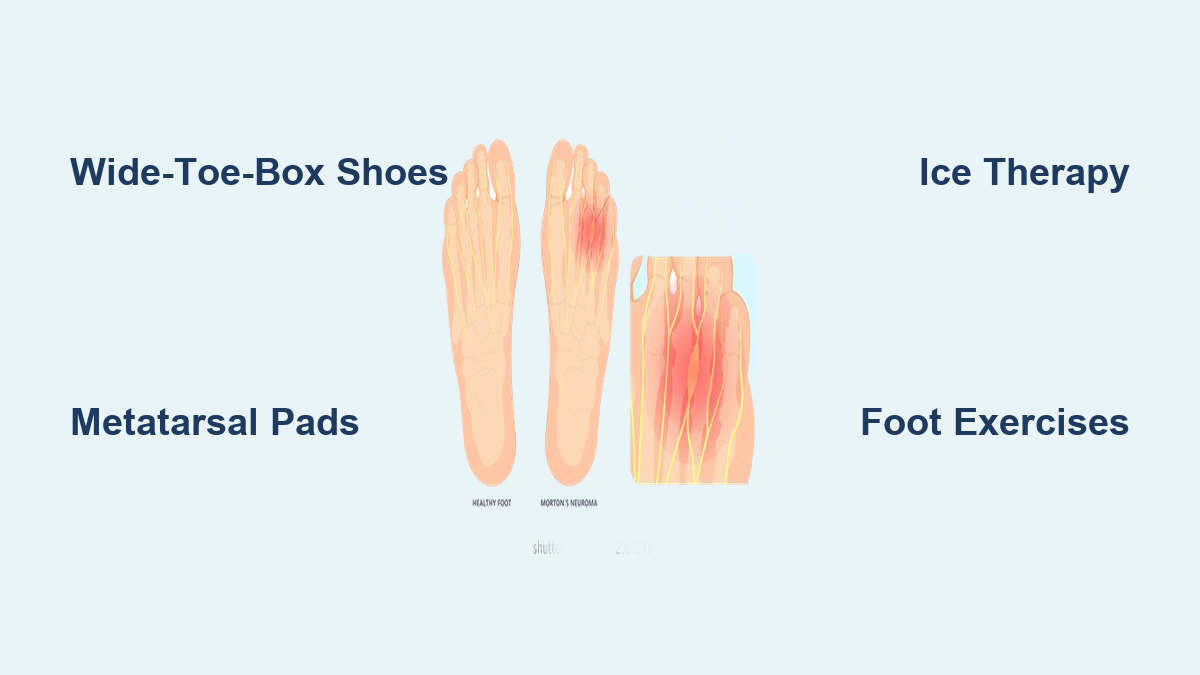
If you’ve ever felt a sharp, burning sensation in the ball of your foot—like you’re stepping on a pebble or walking with a crumpled sock bunched under your toes—you may be experiencing Morton’s neuroma. This condition occurs when the tissue surrounding a nerve between your toes, usually between the third and fourth, becomes thickened and inflamed due to repeated compression. The result? Pain, numbness, tingling, or even a feeling of electric shock radiating into your toes. While seeing a podiatrist is crucial for persistent or severe cases, the majority of people find significant relief through consistent at-home treatment. You don’t need surgery or injections to start healing—just the right combination of footwear changes, targeted exercises, pain management, and lifestyle adjustments.
The good news is that Morton’s neuroma responds well to conservative care, especially when addressed early. By reducing pressure on the nerve, calming inflammation, and improving foot mechanics, you can stop flare-ups in their tracks and prevent long-term damage. This guide walks you through every practical, evidence-based method for treating Morton’s neuroma at home—from choosing the best shoes to performing daily foot exercises—all designed to restore comfort and mobility without relying on medications or invasive procedures.
Wear Shoes That Prevent Nerve Compression

The most common cause of Morton’s neuroma is repetitive pressure on the forefoot, often from wearing tight, narrow, or high-heeled shoes. Your footwear choices directly impact whether your symptoms improve or worsen. Switching to neuroma-friendly shoes is the single most effective step you can take.
Choose Wide-Toe-Box Footwear
Tight toe boxes squeeze your metatarsal bones together, pinching the nerve. To avoid this, switch to shoes with a wide, anatomical toe box that allows your toes to lie flat and spread naturally. Brands like Altra, Hoka Clifton, Topo Athletic, Whitin, and Saucony Endorphin are specifically designed with foot health in mind, offering ample space in the forefoot.
Pro tip: Always try on shoes in the afternoon or evening when your feet are slightly swollen—this gives you a more accurate fit and prevents buying shoes that feel fine at home but pinch after a few hours of wear.
Opt for Rigid, Rocker-Soled Shoes
Avoid overly flexible shoes—they increase motion at the ball of the foot, irritating the nerve. Instead, look for models with:
– A slight rocker bottom sole to reduce bending at the metatarsals
– Stable heel counters to control overpronation
– Shock-absorbing midsoles to cushion each step
Runners and active individuals should consider low-drop or zero-drop shoes, which distribute weight more evenly across the foot and reduce forefoot loading.
Eliminate High Heels and Tight Flats
Heels over 2 inches (5 cm) shift your body weight forward, increasing pressure on the ball of your foot by up to 75%. Ballet flats, pointed-toe pumps, and narrow dress shoes also compress the metatarsals. Replace them with supportive, wide-toe flats or orthopedic-style footwear.
Adjust Lacing to Reduce Forefoot Pressure
If your shoes feel tight across the ball of the foot, skip the bottom eyelets when lacing. Try ladder lacing or parallel lacing to open up the forefoot area while keeping your heel secure. This simple trick instantly reduces pressure without sacrificing stability.
Stretch Existing Shoes for More Room
Use a shoe stretcher overnight to widen leather or soft-material shoes, especially in the forefoot. Some stretchers are designed to target the ball of the foot specifically—ideal for neuroma sufferers who want to salvage favorite pairs without buying new ones.
Use Orthotics and Padding to Unload the Nerve

Even with great shoes, you may need extra support to relieve pressure on the nerve. Proper padding and orthotics can make a dramatic difference in comfort and healing speed.
Apply Metatarsal Pads Correctly
A metatarsal pad placed just behind the ball of the foot (at the metatarsal arch) lifts the metatarsal heads, creating space around the nerve and reducing compression. Use adhesive felt, gel, or silicone pads and position them just proximal to the painful area—not directly over it. Placing the pad on the neuroma can worsen pain.
Wear the pad all day, every day—insert it under your insole or use it barefoot with supportive shoes.
Add Forefoot Cushioning
Gel or adhesive forefoot pads act like shock absorbers, reducing impact during walking or standing. These are especially helpful if you’re on your feet for long periods or wear shoes with thin soles.
Try Custom or OTC Arch Supports
If you have flat feet, high arches, or overpronation, off-the-shelf orthotics with good arch support can help. For long-term correction, see a podiatrist for custom orthotics, which are molded to your foot and address biomechanical imbalances contributing to your neuroma.
Wear Silicone Toe Spacers
Insert silicone toe spacers between your third and fourth toes to maintain natural alignment and prevent nerve pinching. Many people report immediate relief, especially when worn during walking or prolonged standing.
Reduce Inflammation and Manage Pain
During flare-ups, calming inflammation is essential. These simple, drug-free techniques can provide fast relief.
Ice the Ball of Your Foot
Apply an ice pack for 10–20 minutes, 3–4 times daily. Always use a thin towel to protect your skin. Better yet, roll a frozen water bottle under your foot. This combines cold therapy with gentle massage, helping to break up tight tissue and reduce swelling.
Try Contrast Foot Baths
Alternate hot and cold water to boost circulation and reduce inflammation:
– 4 minutes in warm water (40°C / 104°F)
– 1 minute in cold water (7–10°C / 45–50°F)
– Repeat 3–4 times (15–20 minutes total)
Add Epsom salt to the warm soak for muscle relaxation and magnesium absorption.
Take OTC Pain Relievers When Needed
Use ibuprofen (Advil) or naproxen (Aleve) to reduce both pain and swelling. Follow label instructions and avoid long-term use without medical advice. If NSAIDs aren’t suitable, acetaminophen (Tylenol) can help manage pain—but it won’t reduce inflammation.
Massage to Improve Circulation and Mobility
Gentle soft tissue work helps loosen tight structures around the nerve and improves blood flow—but avoid direct pressure on the painful spot.
Perform Indirect Manual Massage
Use your fingers to apply light pressure along the arch and sides of the foot. Gently mobilize the metatarsal heads with side-to-side movements to free up the nerve. Never press directly on the neuroma, as this can aggravate symptoms.
Use a Tennis or Lacrosse Ball
Sit in a chair and roll a tennis ball or lacrosse ball under your foot from heel to ball. Focus on areas around—not on—the painful spot. Roll for 2–3 minutes per foot, daily, especially after activity.
Use a Massage Gun with Caution
A massage gun with a ball attachment on low to medium setting can help break up fascial restrictions. Move it side-to-side across the arch and outer foot—never directly over the neuroma.
Do Daily Foot Exercises to Strengthen and Stretch
Weak or stiff foot muscles contribute to poor mechanics and increased nerve pressure. Strengthening and stretching restore balance and reduce irritation.
Stretch the Plantar Fascia and Calf
- Manual stretch: Pull your toes back toward your shin while seated. Hold 30 seconds, repeat 3 times.
- Towel stretch: Loop a towel around your foot and gently pull.
- Wall calf stretch: Step one foot back, keep heel down, and lean into a wall. Hold 30 seconds. Tight calves increase forefoot strain—stretch daily.
Strengthen Intrinsic Foot Muscles
- Towel scrunches: Use toes to pull a towel toward you. 3 sets of 15.
- Marble pickups: Pick up marbles with your toes and drop them in a cup.
- Alphabet writing: “Write” the alphabet in the air with your big toe.
- Figure-eight tracing: Trace large figure-eights to improve mobility.
Improve Balance and Stability
- Single-leg balance: Stand on one foot for 30–60 seconds.
- Toe raises: Rise onto your toes slowly, then lower with control. 2–3 sets of 15.
Modify Activities and Lifestyle Habits
Even the best treatments fail if you keep doing things that irritate the nerve.
Rest During Flare-Ups
Avoid prolonged standing, walking, or high-impact activities like running when pain flares. Take breaks every 30–60 minutes if you’re on your feet all day.
Switch to Low-Impact Exercise
Replace running with swimming, cycling, elliptical training, or yoga. Avoid yoga poses that compress the forefoot.
Manage Your Weight
Every extra pound increases pressure on the ball of your foot. Losing 5–10 pounds can significantly reduce symptoms and speed recovery.
Wear Compression Socks Carefully
Light compression socks may help reduce swelling, but avoid tight ones that squeeze the forefoot. Never wear them to bed.
When to See a Podiatrist
Most people improve within 2–4 weeks of consistent home care. If you have:
– No improvement after a month
– Worsening pain, numbness, or tingling
– Difficulty walking
…see a podiatrist. You may need custom orthotics, corticosteroid injections, alcohol sclerosing injections, or surgery (successful in ~85% of cases).
Final Takeaway
Treating Morton’s neuroma at home works—but consistency is key. Combine wide-toe-box shoes, metatarsal pads, daily exercises, and inflammation control for the best results. Start early, stay patient, and track your progress. Most people avoid surgery with these simple, effective steps. If pain persists, don’t wait—see a foot specialist to prevent permanent nerve damage.