Do your shoes leave red marks across the top of your foot? Does lacing them up feel like tightening a clamp over your arch? If so, you may have a high instep—a common but often misunderstood foot shape that makes standard footwear painfully uncomfortable. A high instep refers to increased vertical height on the top of the foot between the ankle and toes, creating more volume in the midfoot area. When shoes don’t account for this extra space, they compress the dorsum (top) of the foot, leading to pressure, numbness, skin breakdown, and even long-term mobility issues. For people with diabetes, arthritis, or neuropathy, the risks are even greater. The good news? You can support a high instep comfortably with the right combination of footwear, orthotics, and daily care. This guide will show you how to identify your foot type, choose supportive shoes, use effective insoles, and maintain lasting comfort—without sacrificing style or functionality.
Choose High-Volume Footwear to Prevent Dorsal Pressure

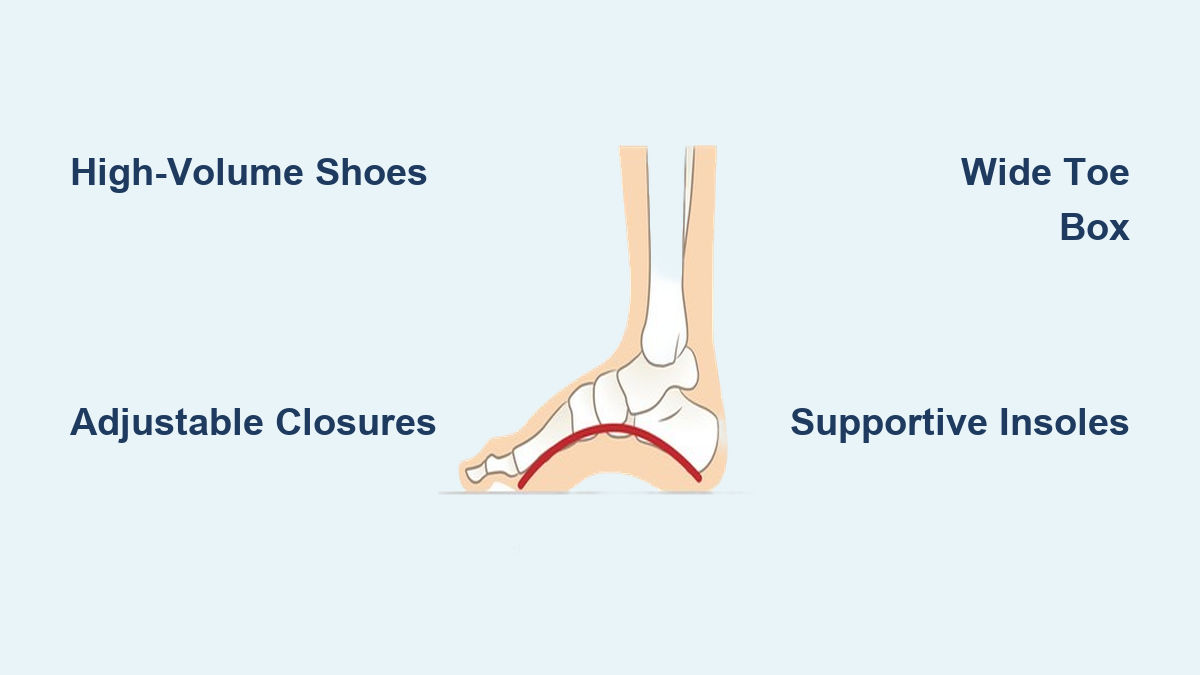
The most critical step in supporting a high instep is wearing shoes with enough internal volume to avoid squeezing the top of your foot. Standard footwear is built for average foot shapes and often cuts across the instep, causing discomfort or injury over time. High-volume shoes, however, are specifically engineered to provide extra vertical clearance, allowing your foot to sit naturally without compression.
Look for Extra Depth and Double-Depth Construction
Extra depth shoes offer significantly more space between the insole and upper than regular models—often an additional 1/4 to 1/2 inch. Many are labeled as double-depth, meaning they’re designed to accommodate both high insteps and custom orthotics. These shoes typically come with removable insoles, giving you the flexibility to create even more room when needed. Brands like Dr. Comfort and Sole Bliss have built their X-series and Miracle Sneaker lines around this principle, ensuring pressure-free wear throughout the day. When trying on shoes, always test them with your orthotics or preferred insoles to ensure a proper fit.
Prioritize Adjustable Closures for Customized Fit
A rigid closure system can dig into sensitive areas, especially if you experience swelling or have limited dexterity. Instead, opt for hook-and-loop straps (Velcro), which allow quick, precise adjustments without forcing your foot through a tight opening. Lace-up designs are also excellent—if you skip the middle eyelets over the instep or use differential lacing (tightening the heel more than the midfoot), you can relieve pressure while maintaining stability. For seamless entry, look for styles with elastic goring or stretch panels that expand with your foot’s natural shape. These features eliminate the need to force your foot in, reducing strain and irritation.
Pick Soft, Flexible Uppers That Move With Your Foot
Rigid leather or synthetic uppers don’t adapt to high insteps—they press against them. Choose shoes made with stretchable materials like Lycra, knit mesh, or adaptive fabric blends. These conform gently to your foot’s contours instead of pinching or rubbing. For example, Dr. Comfort’s Annie and Brian models use soft Lycra uppers that hug the instep without constriction. Flexible uppers also reduce friction, lowering the risk of blisters and calluses—especially crucial if you have reduced sensation due to neuropathy.
Wear Shoes with Wide Toe Boxes for Balanced Support
While instep height affects the top of the foot, a wide toe box supports overall foot health by preventing secondary issues like bunions and forefoot pain. Many high-instep shoes still run narrow, which crowds the toes and shifts pressure backward—worsening discomfort on the instep.
Avoid Pointed or Tight Fronts That Crowd Toes
Pointed toes compress the metatarsals and encourage toe deformities. Instead, choose shoes with rounded or squared toe boxes that let your toes lie flat and spread naturally. This improves balance and reduces strain on the arch and instep. The Hero Sneaker by Sole Bliss is one of the widest-fitting casual options available, designed specifically for high-volume feet. A roomy forefoot also prevents your foot from “spilling over” into the sides of the shoe, which can increase pressure on the instep.
Ensure Proper Forefoot Alignment to Reduce Compensatory Strain
When your toes are cramped, your gait changes—often leading to overpronation or supination. A wide toe box promotes neutral alignment, stabilizing the entire foot. This is especially beneficial if you also have high arches (cavus foot), as these feet tend to supinate (roll outward), increasing stress on the outer edge and ankle. Proper alignment reduces compensatory pressure on the instep and helps distribute weight more evenly across the foot.
Use Supportive Insoles and Orthotics to Address Biomechanical Imbalances

Even with roomy shoes, many people with high insteps also have high arches, which affect the underfoot structure and lead to poor shock absorption, instability, and pain. Insoles and orthotics correct these imbalances by supporting the arch, improving gait, and reducing strain on the heel, ball of the foot, and instep.
Try Over-the-Counter Arch Supports First
Start with clinically tested insoles like PowerStep® Pinnacle High, specifically designed for high arches. These provide:
– Deep heel cups for improved stability
– Firm arch support to correct supination
– Cushioned tops for all-day comfort
– Heat-moldable layers to personalize fit
They fit most standard and deep shoes and can be trimmed to size. Users report reduced foot fatigue and improved comfort during walking or standing—key for daily wear.
Consider Custom Orthotics for Persistent Pain or Medical Conditions
If OTC insoles don’t relieve pain—or if you’ve been diagnosed with plantar fasciitis, hammertoes, or Achilles tendonitis—custom orthotics may be necessary. Prescribed by a podiatrist, these are molded to your exact foot shape and gait pattern. They redistribute weight away from high-pressure zones, improve alignment, and reduce strain on tendons and ligaments connected to the instep. Custom orthotics are especially valuable for people with neurological conditions or diabetes.
Add Night Splints for Associated Plantar Fasciitis
For those with plantar fasciitis, a common companion to high arches, night splints can help. Worn during sleep, they keep the plantar fascia and Achilles tendon gently stretched, preventing sharp morning heel pain. This indirectly benefits the instep by improving overall foot flexibility and reducing compensatory tension.
Identify and Diagnose Your Foot Type Accurately
Knowing whether you have a high instep, high arch, or both is essential for choosing the right solutions. While related, they affect different parts of the foot and require distinct approaches.
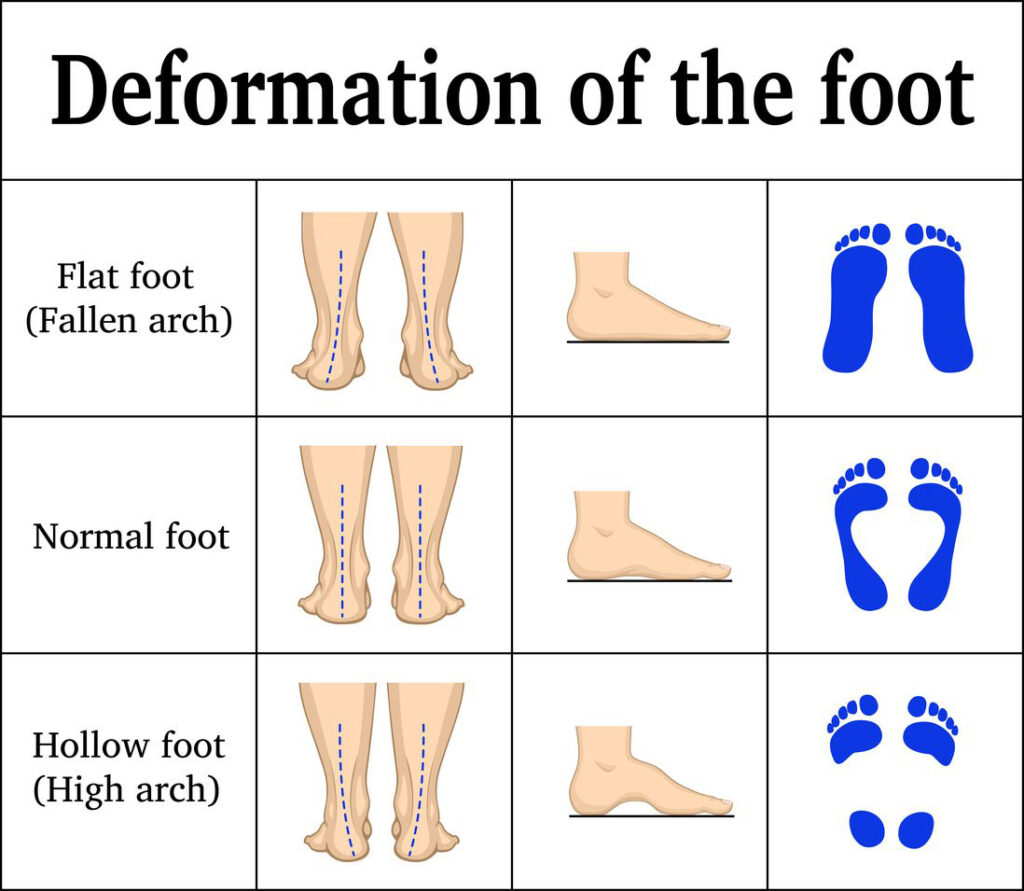
Perform the Wet Footprint Test to Check for High Arches
This simple test identifies high arches, not instep height:
1. Wet the soles of your feet.
2. Step onto a dark surface (like cardboard or paper).
3. Examine the print:
– Normal arch: Midfoot connects heel to forefoot with moderate width.
– High arch: Only heel and ball show, with little or no midfoot contact.
If your print shows a narrow or missing midsection, you likely have a high arch—common in people with high insteps.
Use Fit Feedback to Detect a High Instep
There’s no standard measurement for instep height. Diagnosis relies on fit discomfort:
– Do laces press into the top of your foot?
– Do you see red marks or indentations after removing shoes?
– Do you struggle to put on shoes without forcing your foot in?
If yes, you likely have a high instep. Try loosening laces or skipping eyelets—if this relieves pressure, vertical clearance is the issue.
See a Podiatrist for Confirmation and Treatment
For persistent pain, skin breakdown, or neurological concerns (like foot drop), consult a podiatrist or orthopedic specialist. They can assess your gait, foot structure, and nerve function, and recommend targeted treatments, including bracing or custom footwear.
Select the Best Shoe Types Designed for High Insteps

Not all shoes are created equal. Some styles naturally accommodate high insteps better due to design, materials, and adjustability.
Opt for Walking and Everyday Sneakers
Designed for comfort and activity, walking shoes are ideal for high insteps. Look for:
– Double-depth construction
– Adjustable lacing or Velcro
– Removable insoles
– Breathable, flexible uppers
Recommended models:
– Grace X (women) and Gordon X (men): Supportive, deep, and stylish for errands or walks.
– Lucie X and Brian X: Combine athletic performance with orthopedic features.
Choose Orthopedic and Diabetic Shoes for Medical Safety
These are medically engineered for safety and comfort:
– Seamless interiors prevent rubbing
– Extra depth accommodates orthotics and high volume
– Padded collars protect ankles and insteps
– Soft linings reduce shear forces
Critical for people with diabetes, where even minor pressure can lead to ulcers. Studies show 19%–34% of diabetics develop foot ulcers—proper footwear is a key prevention tool.
Try Hands-Free and Easy-Entry Styles for Limited Mobility
For those with arthritis, back pain, or limited dexterity, hands-free shoes eliminate bending and forceful entry. Features include:
– Collapsible heel counters (can be worn heel-down for slip-on ease)
– Elastic panels that stretch over the instep
– Slip-resistant outsoles for safety
Dr. Comfort’s Quick Fit line offers easy entry without sacrificing internal volume—perfect for morning stiffness or swelling.
Apply Therapeutic Care Strategies for Long-Term Comfort
Beyond shoes and insoles, daily care practices enhance comfort and prevent long-term damage.
Use Ice Therapy for Inflammation
After prolonged standing or activity, instep or arch pain may flare. Apply an ice pack or cold water soak for 20 minutes, up to three times daily. This reduces inflammation and numbs sore areas. Always wrap ice in a cloth to avoid skin damage.
Take NSAIDs for Temporary Relief
Over-the-counter nonsteroidal anti-inflammatory drugs (NSAIDs) like ibuprofen can ease pain and swelling. Use them short-term alongside other treatments, not as a long-term solution.
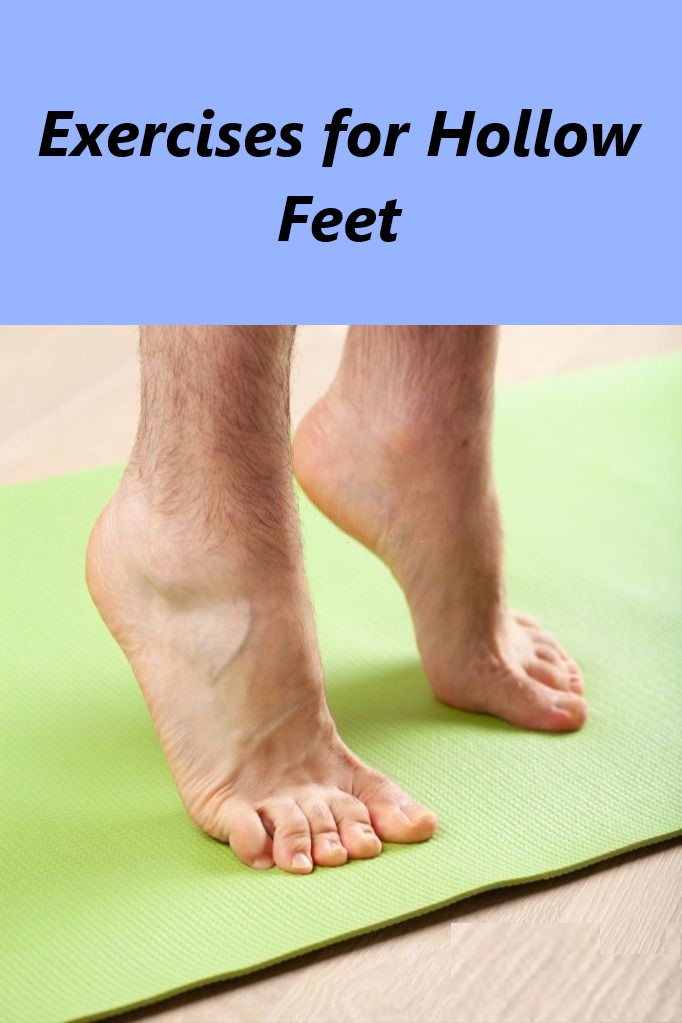
Stretch and Strengthen Foot Muscles
Tight calves and weak intrinsic foot muscles worsen high arch and instep strain. Incorporate these exercises:
– Calf stretches: Hold 30 seconds, repeat 3x per side.
– Towel curls: Pull a towel toward you using only your toes—2 sets of 10.
– Marble pickups: Use toes to pick up marbles and drop them in a cup.
– Balance training: Stand on one foot for 30 seconds to improve stability.
Adapt to Medical Conditions with Targeted Footwear
Certain health issues amplify the risks of ill-fitting shoes. Tailor your approach based on your condition.
Manage Diabetes and Neuropathy with Protective Shoes
Reduced sensation means you may not feel pressure or injury. Choose diabetic-safe shoes with:
– No internal seams
– Soft, breathable uppers
– Extra depth and removable insoles
– Lightweight construction to reduce fatigue
Inspect your feet daily for redness or breaks in skin. Even minor irritation can escalate quickly.
Accommodate Arthritis and Limited Dexterity
Stiff joints make tying laces difficult. Prioritize:
– Velcro straps
– Elastic closures
– Slip-on designs with stretch panels
Avoid stiff soles or heavy materials. Lightweight, flexible shoes reduce strain on hands and lower limbs.
Supporting a high instep comfortably is absolutely achievable with the right knowledge and tools. Focus on high-volume, adjustable footwear, add supportive insoles or custom orthotics, and integrate daily care habits like stretching and icing. Whether you’re managing a hereditary trait or a medical condition like diabetes or arthritis, the goal is the same: pain-free, confident movement. By choosing adaptive styles from trusted brands like Dr. Comfort and Sole Bliss, and seeking professional guidance when needed, you can enjoy lasting comfort—no matter where your day takes you.