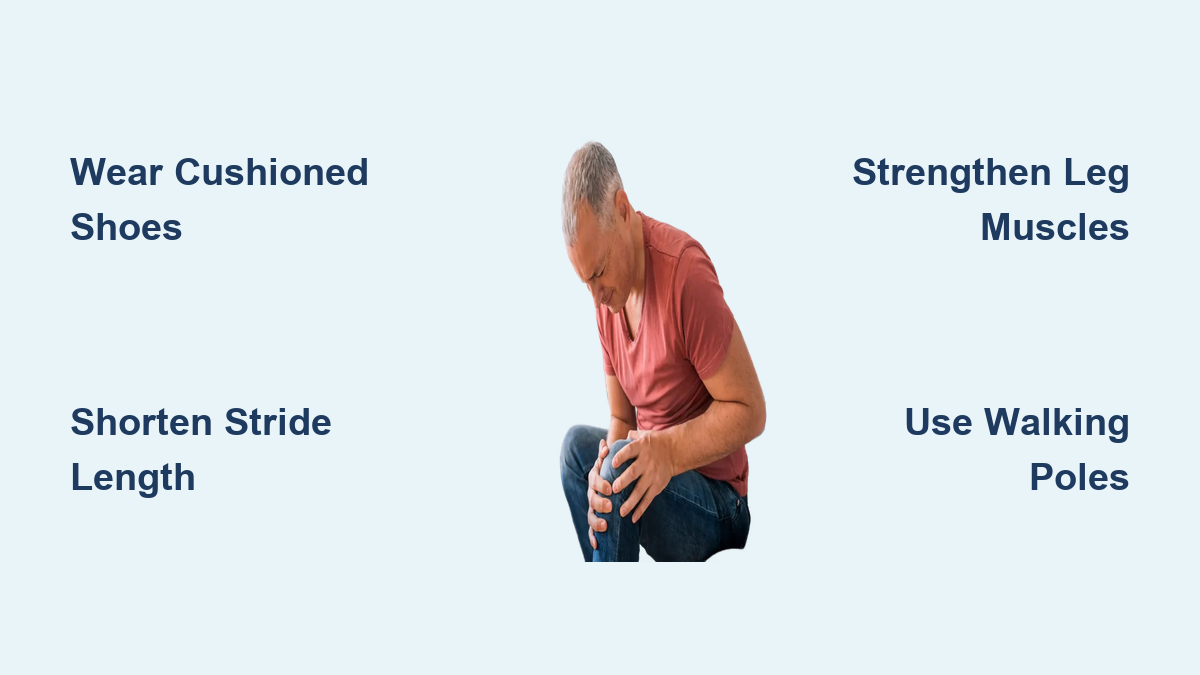
Walking on concrete is a daily reality for millions—whether you’re commuting to work, standing for hours on a hard floor, or simply navigating city sidewalks. But unlike grass, dirt, or rubberized tracks, concrete offers almost no shock absorption, sending powerful impact forces up through your feet, ankles, and knees with every step. Over time, this repetitive stress can lead to joint pain, inflammation, and even accelerate cartilage wear—especially if you’re managing osteoarthritis, past injuries, or muscle weakness.
The good news? You don’t have to stop walking to protect your knees. With the right strategies, you can significantly reduce knee impact on concrete and maintain mobility without pain. This guide delivers 12 science-backed, practical solutions—from choosing the right shoes to adjusting your stride and strengthening key muscles—that work together to cushion your joints, improve alignment, and keep you moving comfortably.
You’ll learn how small, sustainable changes in footwear, technique, and daily habits can make a big difference—letting you stay active on hard surfaces without sacrificing long-term joint health.
Walk on Softer Surfaces When Available
The most effective way to reduce knee stress is to avoid concrete altogether—whenever possible.
Choose Grass, Trails, or Rubberized Tracks
Natural surfaces like grass, dirt paths, and pea gravel compress slightly underfoot, absorbing impact that would otherwise travel up your legs. Even walking on a narrow grassy shoulder beside a sidewalk can reduce joint loading by up to 30%. Rubberized tracks and cinder paths are also excellent alternatives, specifically designed to minimize ground reaction forces during walking or running.
If you’re exercising for fitness or rehabilitation, prioritize these forgiving surfaces. They not only reduce peak impact but also promote more natural foot motion and joint alignment.
Use a Treadmill Indoors
Treadmills feature built-in cushioning systems that absorb 20–30% more impact than concrete. For those with knee sensitivity or jobs requiring long hours on hard floors, shifting part of your walking routine indoors can provide meaningful relief. Many models even offer adjustable deck firmness, allowing you to customize shock absorption.
Alternate Surfaces During Long Walks
If you’re stuck on concrete, break up the impact. Walk five minutes on pavement, then switch to grass, mulch, or a park path when available. This variation reduces cumulative strain and prevents overuse injuries by changing how forces are distributed across your joints.
Pro Tip: Use Google Maps’ satellite view to scout greener, knee-friendly routes in your neighborhood before heading out.
Wear Shock-Absorbing, Supportive Shoes

Your shoes are your first line of defense against concrete’s unforgiving surface.
Look for Cushioned, Low-Drop Walking Shoes
Choose footwear with:
– Thick, compressible midsoles (EVA foam, gel, or air units)
– Low heel-to-toe drop (4–8mm or less) to reduce pressure on the front of the knee
– Flexible forefoot for smooth roll-through
– Firm heel counter to stabilize your ankle and reduce knee rotation
Avoid flat, rigid soles like dress shoes or worn-out sneakers—they transfer nearly all impact directly to your joints.
Replace Shoes Every 6 Months (or 300–500 Miles)
Cushioning degrades over time. Check for:
– Flattened midsole foam
– Worn tread
– Increased knee or foot pain after walks
If you walk 3–5 miles daily, replace your shoes every 4–6 months to maintain optimal shock absorption.
Consider Stability or Motion Control Shoes if You Overpronate
If your knees collapse inward when you walk (a sign of overpronation), stability or motion control shoes can correct alignment and reduce strain on the inner knee. These models offer reinforced arch support and medial posts to guide your foot into a more neutral position.
Add Orthotic Insoles and Wear Compression Socks
Boost your shoes’ protection with inserts and supportive wear.
Use Shock-Absorbing or Lateral Wedge Insoles
Over-the-counter gel or foam insoles can reduce impact by 10–20%. For those with medial knee osteoarthritis, lateral wedge insoles shift load away from the damaged inner compartment, easing pain and improving gait symmetry.
Custom orthotics may be worth considering if you have flat feet, leg length differences, or persistent alignment issues.
Wear Graduated Compression Socks (15–20 mmHg)
While they don’t reduce impact directly, compression socks improve circulation, reduce leg swelling, and decrease fatigue—especially if you’re on your feet all day. They help your legs recover faster and feel lighter, making long walks more comfortable.
Shorten Your Stride and Increase Cadence
Small adjustments in walking technique can dramatically reduce knee stress.
Aim for 170–180 Steps Per Minute
Overstriding—landing with your foot far ahead of your body—creates a braking force that jolts your knee. Shortening your stride and increasing step frequency reduces this impact.
Use a metronome app to train your rhythm. Focus on taking quicker, lighter steps and landing with your foot under your hip, not out in front. This simple change can reduce knee joint loading by up to 20%.
Avoid Heel Slapping
Land smoothly and quietly, as if walking on eggshells. A loud heel strike increases jarring forces and strains the knee joint.
Optimize Foot Strike and Posture
Your walking form influences how forces travel through your body.
Use a Heel-to-Toe Roll Pattern
Land on your heel, then roll through the midfoot to push off with your toes. This natural gait allows your foot and calf muscles to absorb impact gradually. Avoid forefoot-first striking unless you’re trained—it shifts excessive load to the knees and Achilles tendon.
Stand Tall with a Slight Forward Lean
- Keep your head up, gaze forward
- Relax your shoulders, spine neutral
- Engage your core to stabilize your pelvis
Lean slightly from the ankles, not the hips. Leaning from the waist increases pressure on the kneecap and can worsen anterior knee pain.
Strengthen Key Leg and Hip Muscles
Strong muscles act as your body’s natural shock absorbers.
Target These Muscle Groups:
- Quadriceps: Stabilize the kneecap
- Hamstrings: Balance quad forces
- Glutes (especially gluteus medius): Prevent knee collapse
- Calves: Assist in shock dissipation
Do These Exercises 2–3 Times Weekly:
- Straight leg raises: 10–15 reps per leg
- Wall sits (45° bend): Hold 20–60 seconds
- Clamshells: 15 reps per side
- Calf raises: 15–20 reps, multiple times daily
Pro Tip: If you have knee pain, work with a physical therapist to ensure proper form.
Warm Up and Cool Down Properly
Never walk on concrete with cold, stiff joints.
Warm Up for 5–10 Minutes
- Leg swings (front/back, side/side)
- Ankle circles
- Marching in place
- Gentle lunges
Heat therapy (warm shower, heating pad) also helps loosen joints.
Cool Down with Stretching and Ice
After walking, stretch:
– Hamstrings: Sit and reach for toes
– Quadriceps: Standing, pull heel to glute
– Calves: Lean into wall with back leg straight
If knees feel warm or sore, apply ice for 15 minutes to reduce micro-inflammation.
Use Walking Poles or a Cane

Offload your knees with assistive devices.
Try Trekking Poles
Reduce knee joint forces by up to 20%, especially on inclines. They also improve balance and gait rhythm—useful even on flat ground.
Use a Cane in the Opposite Hand
If one knee is painful, use a cane in the hand opposite the affected side. This improves leverage and reduces joint reaction forces.
Example: Right knee pain → use cane in left hand
Follow a Gradual Walking Program

Build endurance safely.
Start with 10-Minute Walks, 3–5 Days/Week
Add 2–5 minutes weekly, working toward 30 minutes daily. Use a pedometer to track progress—6,000+ steps/day is linked to improved function in knee osteoarthritis.
Prioritize Consistency Over Speed
Frequent, moderate walks are better than occasional long ones. Never walk through sharp or increasing pain.
Take Movement Breaks Every 15–20 Minutes
Reduce joint fatigue with micro-movements.
Sit, Shift, or Do “Movement Snacks”
- Sit briefly or shift weight between feet
- Perform 10 toe raises every 20 minutes
- Do 30 seconds of marching or 5 shallow squats
Use Anti-Fatigue Mats
If standing in one spot, use a cushioned mat. It mimics soft surface benefits and reduces leg and knee strain.
Quote: “Movement is medicine. Our bodies aren’t built to stay still.” — Dr. Julianne Payton, PT, DPT
Manage Hydration, Diet, and Stress
Support joint health from within.
Stay Hydrated
Dehydration reduces synovial fluid viscosity, making joints stiffer. Drink water throughout the day.
Eat Anti-Inflammatory Foods
Include:
– Omega-3s (fatty fish, flaxseeds, walnuts)
– Antioxidants (berries, leafy greens, turmeric)
– Vitamin D and calcium (for bone and cartilage)
Reduce Mental Stress
Stress heightens pain perception. Practice deep nasal breathing:
– Inhale 4 seconds, exhale 6 seconds
– Repeat 5 times during breaks
Monitor Symptoms and Seek Professional Help
Not all knee pain is normal.
Watch for Red Flags:
- Sharp, stabbing, or locking pain
- Swelling, warmth, or redness
- Inability to bear weight
- Reduced range of motion
See a Specialist If:
- Pain interferes with daily life
- You suspect osteoarthritis, meniscus tear, or ligament injury
- You need custom orthotics, bracing, or physical therapy
Early intervention prevents long-term damage.
Final Note: Walking on concrete doesn’t have to hurt your knees. By choosing the right shoes, adjusting your stride, strengthening key muscles, and using smart habits, you can walk confidently and comfortably—even on hard surfaces. The goal isn’t to stop walking, but to walk smarter, not harder. Protect your knees today, and keep moving for years to come.