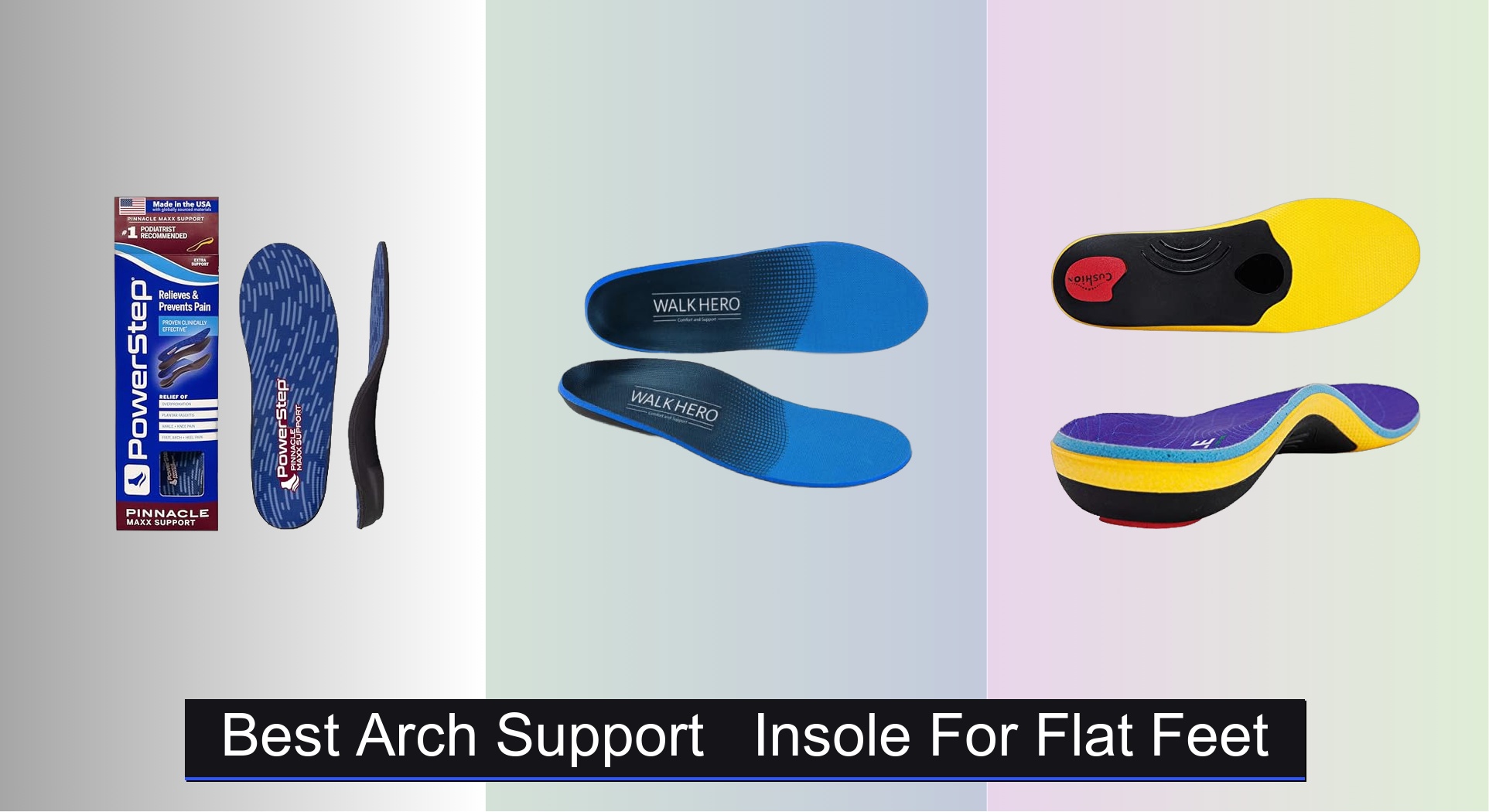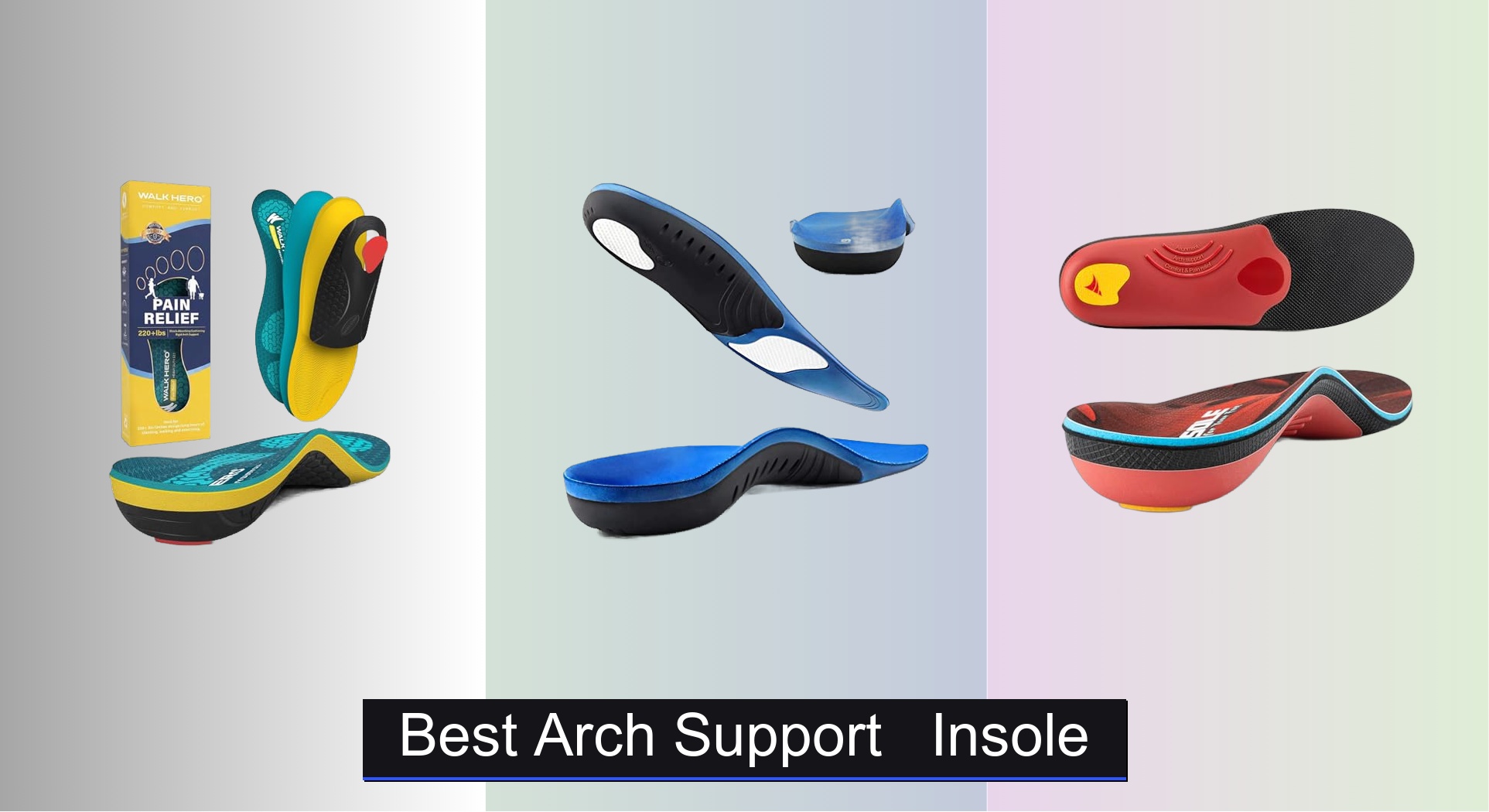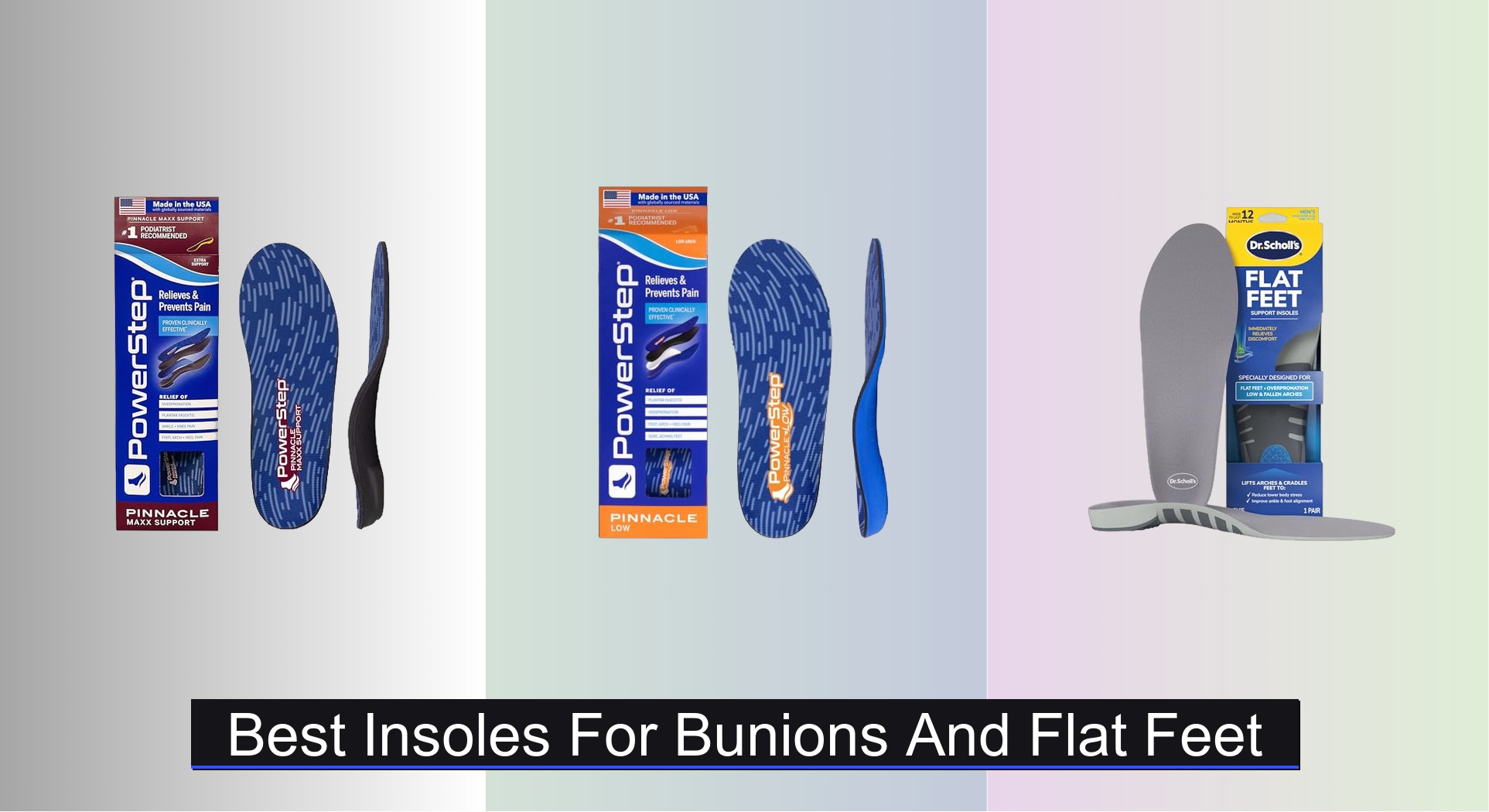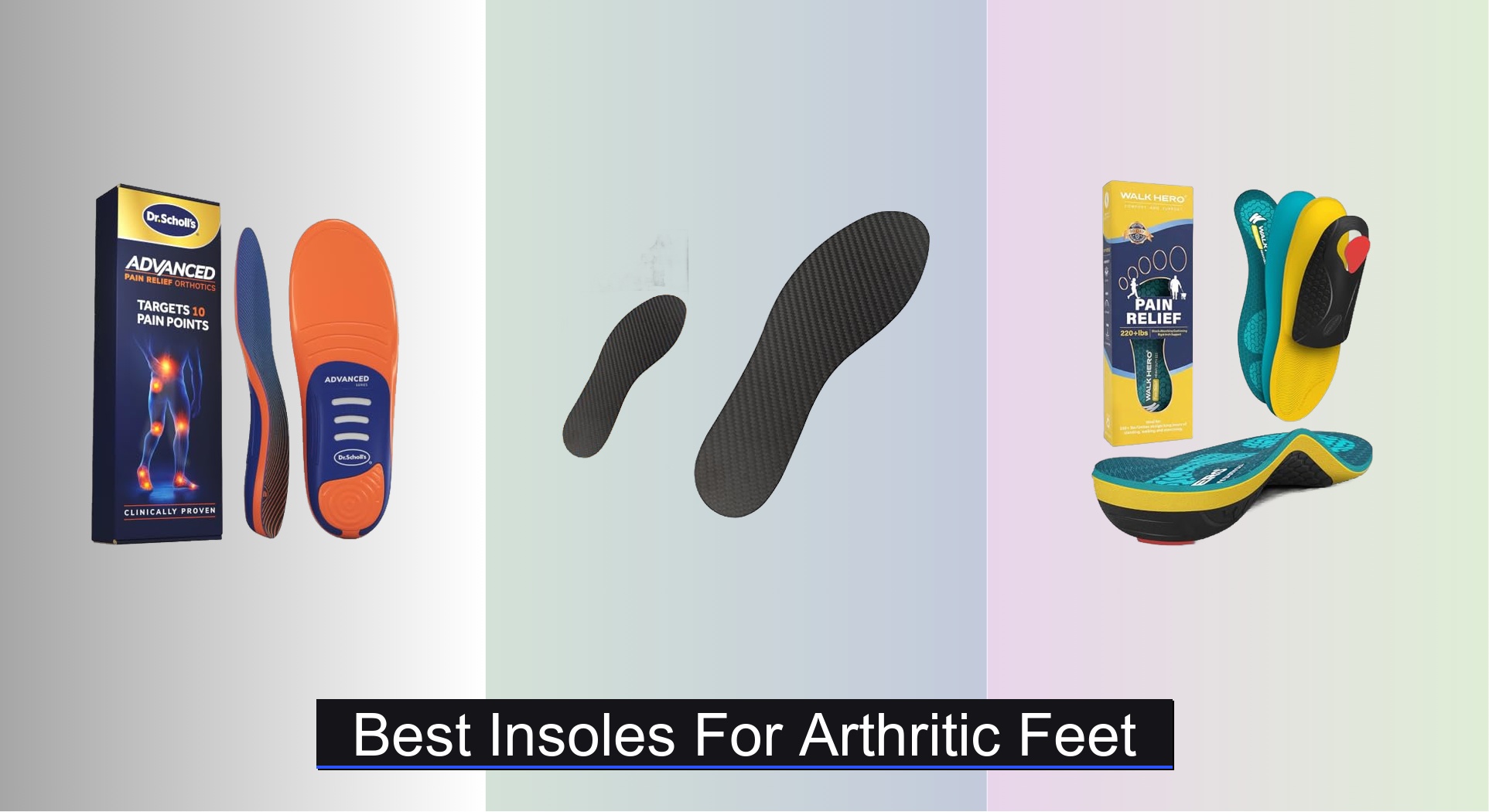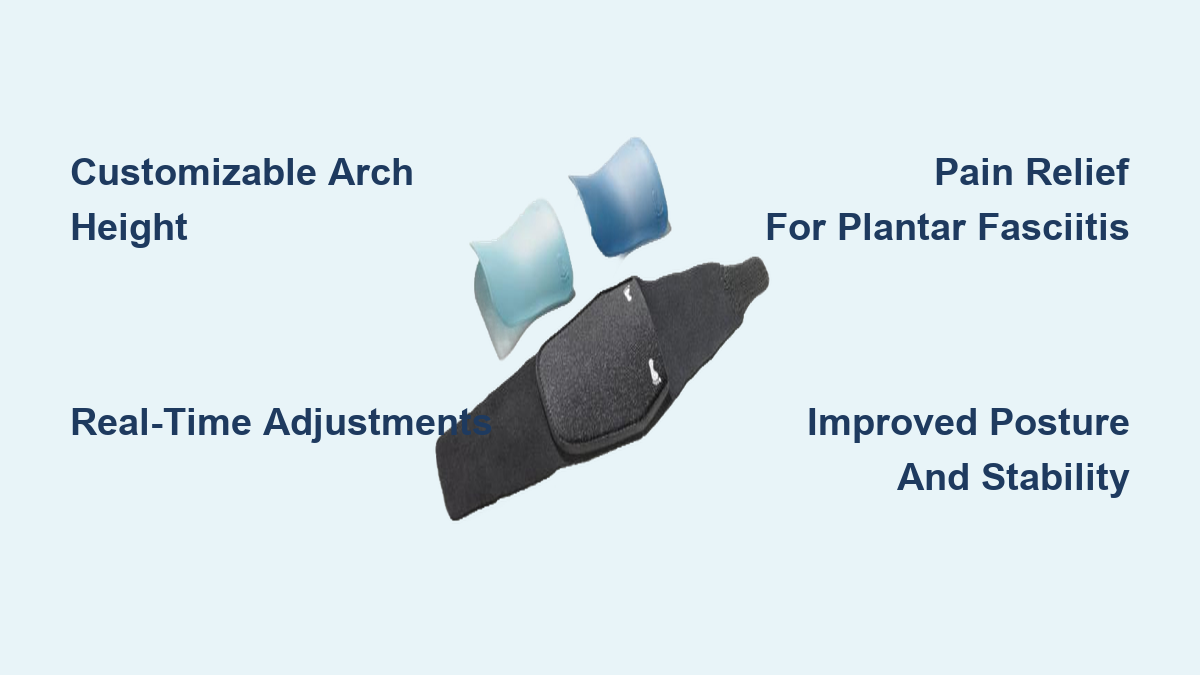
If your feet ache after a long day—or if you’ve battled persistent heel pain, knee discomfort, or lower back strain—chances are, the root cause starts at ground level: your arches. Millions of people wear shoes with inadequate or one-size-fits-all insoles that fail to address their unique foot structure. But a new generation of foot support is changing the game: adjustable arch support systems.
Unlike traditional insoles that offer fixed, rigid support, adjustable arch supports let you customize the height, firmness, and shape of the arch lift in real time. Whether you’re standing for hours, recovering from a workout, or managing chronic foot pain, these systems adapt to your needs—not the other way around. Powered by innovations like PowerLift Arch® technology and dual-density foam, they deliver dynamic biomechanical correction that goes far beyond basic cushioning.
In this guide, you’ll learn how adjustable arch support transforms foot health by improving pressure distribution, enhancing stability, relieving pain, and even boosting athletic performance. Whether you have flat feet, high arches, plantar fasciitis, or simply spend long hours on your feet, this technology offers personalized relief—exactly when and where you need it.
Optimized Foot Pressure Distribution

Proper weight distribution is essential for long-term foot health, and adjustable arch supports excel at balancing the load across your entire foot.
Even Load Across All Foot Zones
Without proper support, your body weight tends to concentrate on the heel and ball of the foot—leading to hotspots, calluses, and chronic discomfort. Adjustable arch systems allow you to fine-tune the arch lift, ensuring that pressure is evenly dispersed across the foot’s three main zones: heel, midfoot, and forefoot.
This is especially beneficial for people with:
– Flat feet (overpronation): These feet tend to roll inward, collapsing the arch and overloading the inner heel and midsole.
– High arches (cavus foot): These transfer excessive pressure to the outer edge, heel, and forefoot, reducing shock absorption.
By adjusting the support level, you maintain structural balance and reduce strain on overworked areas—preventing long-term damage and discomfort.
Real-Time Adjustments for Activity Changes
Your foot’s support needs change throughout the day. Standing for hours? Your arches may fatigue. Walking on concrete? Impact forces spike. With adjustable supports, you can increase lift during high-demand activities and dial it back during recovery, keeping pressure management dynamic and effective.
Pro Tip: Start with a lower setting and gradually increase support as your feet adapt—especially if you’re new to arch correction.
Improved Stability and Body Alignment

Your feet are the foundation of your posture. When arches collapse or misalign, instability spreads upward—leading to poor balance, joint pain, and inefficient movement.
Neutral Foot Positioning
Adjustable arch supports help keep your foot in its optimal neutral alignment, preventing excessive inward (overpronation) or outward (supination) rolling. This stability:
– Enhances proprioception—your body’s awareness of foot position
– Reduces ankle wobbling on uneven terrain
– Lowers fall risk, especially in seniors
Full-Body Postural Benefits
Misaligned feet force your knees, hips, and spine to compensate. Over time, this leads to chronic discomfort. By correcting foot mechanics, adjustable supports help:
– Align the lower limbs
– Reduce rotational stress on the knees
– Minimize lower back strain
“When your feet lack support, everything above compensates.” — Source
With consistent use, many users report not just foot relief—but also reduced knee and back pain.
Pain Relief and Injury Prevention
Adjustable arch support isn’t just about comfort—it’s a proactive tool for relieving pain and stopping injuries before they start.
Treats Plantar Fasciitis Effectively
Plantar fasciitis—a leading cause of heel pain—is often triggered by arch collapse, which overstrains the plantar fascia ligament. Adjustable supports:
– Maintain the arch’s natural curve
– Reduce tension on the ligament
– Allow gradual increases in support during recovery
Users often notice less morning pain—a hallmark symptom—within days of proper adjustment.
Prevents Shin Splints and Stress Fractures
High-impact activities like running can overload the tibia (shin bone), especially when shock absorption is poor. Adjustable systems with dual-density materials (firm arch + soft heel) absorb impact better than rigid or overly cushioned insoles. This reduces tibial stress and lowers the risk of:
– Shin splints
– Stress fractures
– Fatigue-related injuries
Alleviates Knee, Hip, and Back Pain
Poor foot mechanics alter your gait, increasing joint loading. Corrective arch support realigns your stride, reducing abnormal forces. Many users find relief in:
– Knee pain from misalignment
– Hip tightness due to uneven weight distribution
– Chronic lower back strain
“The effects of poor arch support don’t stop at the feet.” — Source
Boosts Athletic Performance and Recovery

For athletes and active individuals, efficiency and recovery are everything. Adjustable arch support enhances both.
Enhances Stride Efficiency
During activity, optimal foot alignment ensures a smooth heel-to-toe transition, reducing energy loss. Adjustable supports:
– Stabilize the foot during push-off
– Improve balance on uneven surfaces
– Help maintain proper running form
This leads to more efficient movement, conserving energy over long distances or intense workouts.
Accelerates Post-Workout Recovery
Recovery footwear like KANE Revive features subtle, responsive arch support and a 9mm elevated heel to reduce Achilles tension. Combined with dual-density EVA foam (RestoreFoam), these shoes:
– Cushion impact after exercise
– Support the arch without over-correcting
– Accommodate post-activity swelling via adjustable straps
“The KANE Revive provides a plush feeling… with a nice, subtle arch support.” — Dr. Daniel Geller, Foot and Ankle Surgeon
This makes them ideal for post-run, post-game, or post-shift recovery.
Customizable for All Arch Types
One size doesn’t fit all—especially when it comes to feet. Adjustable systems adapt to your unique arch type and lifestyle.
Tailored Support for Every Foot
| Arch Type | Needs | Adjustable Fix |
|---|---|---|
| Normal Arch | Balanced support | Moderate lift for daily wear |
| Flat Feet | Firm medial support | Higher lift to prevent collapse |
| High Arches | Cushioning + mild lift | Lower lift with extra padding under heel and forefoot |
This flexibility means one pair of insoles can work in dress shoes, sneakers, and boots—just adjust the setting.
Adapts to Changing Daily Demands
Need light support for office hours and firm support for the gym? No problem. Switch settings in seconds—no need to swap insoles.
Pro Tip: Use low settings for casual wear, medium for work, and high for running or heavy lifting.
Supports Feet Across the Lifespan
From childhood development to senior mobility, adjustable arch support helps at every stage.
Helps Aging Feet Stay Strong
As we age, the posterior tibial tendon weakens, leading to acquired flatfoot. Adjustable supports:
– Provide gradual arch lift as needed
– Reduce fatigue during walking
– Improve balance and reduce fall risk
Seniors report better stability and longer pain-free walking with consistent use.
Guides Pediatric Foot Development
Growing feet need proper alignment to develop correctly. While rigid orthotics aren’t recommended for most children, gentle, adjustable systems can:
– Offer support if early flatfoot signs appear
– Encourage healthy arch formation
– Be adjusted as the foot grows
“Proper arch support ensures feet develop correctly, preventing issues in adulthood.” — Source
Reduces Fatigue and Increases Endurance
Standing or walking for hours drains energy—especially when your feet lack support.
Less Muscle Strain, More Energy
Without support, foot muscles work overtime to stabilize the arch. Adjustable systems provide mechanical assistance, reducing muscular effort. This leads to:
– Less foot fatigue
– Improved endurance
– More energy for prolonged tasks
Ideal for:
– Healthcare workers
– Retail staff
– Military personnel
– Travelers
“With reduced foot fatigue, you’re bound to have more energy.” — Source
Powered by Advanced Technology

Modern adjustable systems combine engineering and materials science for unmatched performance.
PowerLift Arch® Technology (SelectFlex)
This patented system allows manual adjustment of arch height and firmness without removing the insole. Features:
– Spring-loaded or mechanical lift mechanism
– Therapeutic scalability: Start low, increase over time
– Works in most shoes with removable insoles
Users can “dial in” support like adjusting a car seat—perfect for evolving needs.
Dual-Density Construction
Combines:
– Firm EVA or polyurethane in the arch for support
– Soft foam in the heel and forefoot for cushioning
This prevents the discomfort of rigid orthotics and the instability of plush insoles.
Interchangeable and Removable Components
Some systems include swappable arch pads of different heights and densities. This lets you:
– Customize support per shoe type
– Adjust for different activities
– Extend the life of your insoles
Ideal for Diverse User Profiles
Adjustable arch support isn’t just for athletes—it helps a wide range of people.
Who Benefits Most?
| User | Need | How It Helps |
|---|---|---|
| Runners | Injury prevention | Custom support reduces impact and improves gait |
| Nurses/Doctors | All-day comfort | Reduces foot, knee, and back fatigue |
| Seniors | Mobility support | Enhances balance, prevents falls |
| Plantar Fasciitis Sufferers | Pain relief | Gradual arch lift aids healing |
| Industrial Workers | Support in boots | Fits steel-toe footwear, handles heavy loads |
| Travelers | Multi-shoe comfort | Works in flats, heels, and walking shoes |
How to Use Adjustable Arch Support Correctly
Maximize benefits by using the system properly.
1. Identify Your Arch Type
Use the wet test:
– Wet your foot, step on paper.
– Flat arch: Entire sole visible
– Normal arch: Middle third visible
– High arch: Only heel and forefoot visible
This helps determine your starting support level.
2. Start Low, Increase Gradually
Begin with the lowest setting to let your feet adapt. Increase lift every few days—especially if you’ve never worn arch support before.
3. Match Support to Activity
- Low: Casual wear, recovery
- Medium: Office work, light walking
- High: Running, standing, heavy lifting
4. Combine with Foot Strengthening
Avoid dependency by doing:
– Toe curls
– Heel raises
– Short foot exercises (lifting the arch without curling toes)
Consult a physiotherapist for a personalized plan.
5. Use with Proper Footwear
Choose shoes with:
– Removable insoles
– Adequate depth and width
– Good heel counter support
Works best in athletic shoes, recovery footwear, and orthopedic styles.
Real User Results and Feedback
While clinical trials are limited, user reports show strong satisfaction:
– Reduced morning heel pain
– Improved balance and stability
– Less reliance on pain medication
– Comfort across multiple shoe types
– Noticeable relief in knee and back pain
Many compare the experience to “tuning a car’s suspension”—finally, control over their foot support.
Adjustable arch support isn’t just a comfort upgrade—it’s a foundation for whole-body wellness. By letting you customize support in real time, it delivers targeted relief, prevents injury, and enhances performance. Whether you’re on your feet all day, recovering from injury, or simply want to walk with more ease, this technology puts you in control of your foot health.
“Your feet carry you every day; it’s time to give them the support they truly deserve.”