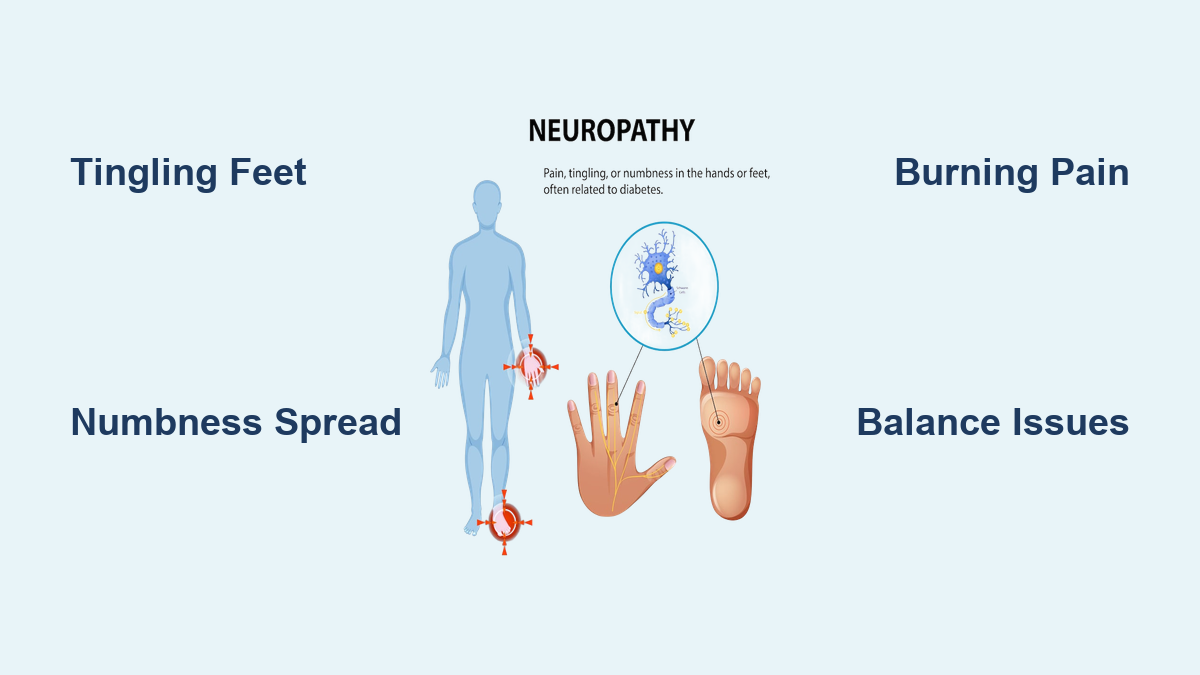
Numbness in the big toe is more than just a passing odd sensation—it can be an early warning sign of nerve damage, circulatory problems, or structural foot issues. Whether it feels like tingling, “pins and needles,” or a complete loss of feeling, this symptom typically stems from disrupted nerve signals or poor blood flow to the foot. While temporary numbness after wearing tight shoes may be harmless, recurring or persistent numbness should never be ignored.
The big toe is primarily innervated by branches of the deep peroneal nerve and the medial plantar nerve, both originating from spinal nerve roots—especially L5—and traveling down from the lower back through the leg and into the foot. Any compression, injury, or disease along this pathway can interfere with sensation. Because the feet are far from the heart and brain, they often show the first signs of systemic conditions like diabetes, vitamin deficiencies, or autoimmune disorders.
Understanding the root cause of big toe numbness is essential for preventing complications such as foot ulcers, infections, or permanent nerve damage. This guide breaks down every possible reason behind the symptom, from simple footwear issues to serious neurological conditions, so you can recognize red flags and take action when needed.
Nerve Compression and Entrapment
When nerves supplying the big toe are squeezed or irritated—anywhere from the spine to the foot—numbness often follows. These entrapments can occur due to anatomical abnormalities, repetitive stress, or swelling.
Morton’s Neuroma
Though most common between the third and fourth toes, Morton’s neuroma can sometimes affect nerves near the big toe, especially in people with unusual foot anatomy. It develops from chronic irritation or pressure on a nerve, often due to narrow or high-heeled footwear.
What to look for:
– Burning pain under the ball of the foot
– Tingling or numbness radiating into the toes
– Sensation of walking on a pebble
Immediate actions:
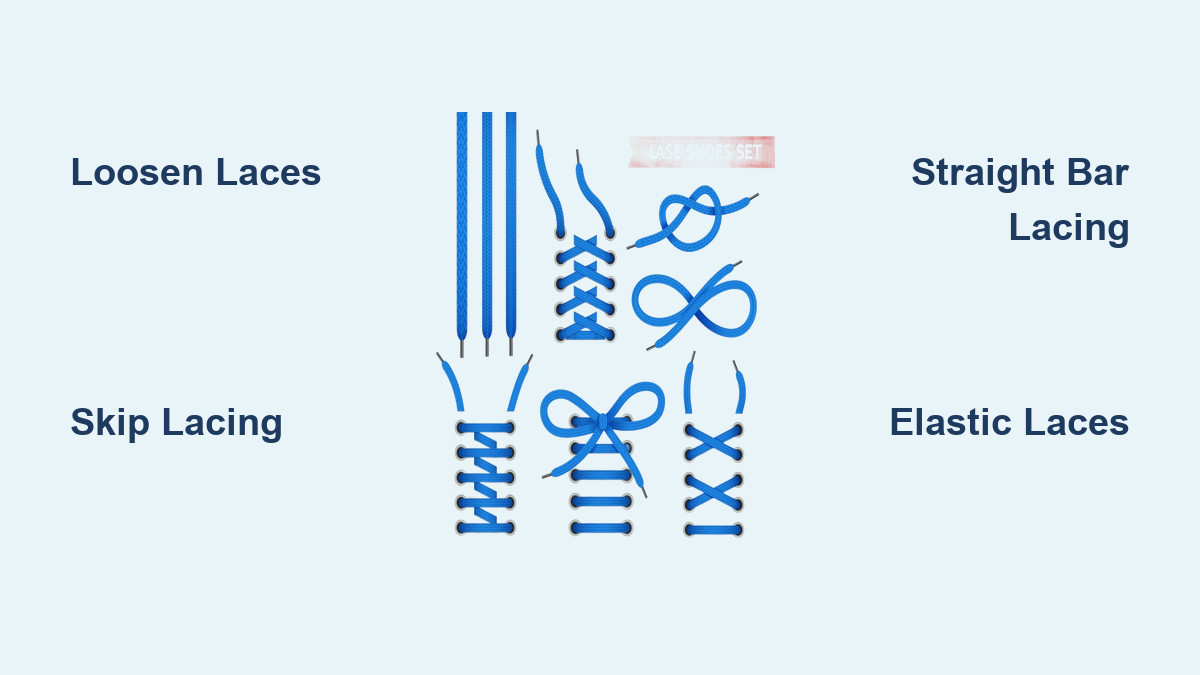
– Switch to shoes with a wide toe box
– Use custom orthotics to relieve pressure
– Consider corticosteroid injections if conservative measures fail
– Surgery may be necessary for persistent cases
⚠️ Pro Tip: High heels shift up to 75% more pressure onto the forefoot—opt for flats or low heels if you’re prone to nerve irritation.
Tarsal Tunnel Syndrome

This condition involves compression of the posterior tibial nerve as it passes behind the inner ankle. Since this nerve supplies sensation to the sole and toes—including the big toe—entrapment can lead to localized numbness.
Common triggers:
– Flat feet (overpronation)
– Ankle swelling from injury
– Diabetes-related nerve vulnerability
Symptoms include:
– Numbness, tingling, or burning in the bottom of the foot and big toe
– Worsening symptoms at night or after prolonged standing
– Positive Tinel’s sign: tapping the inner ankle causes electric-like sensations
Diagnosis & treatment:
– Confirmed via EMG/NCV testing
– Managed with orthotics, anti-inflammatory medications, or surgery in severe cases
Pinched Nerve in the Lower Back (L5 Radiculopathy)

Compression of the L5 nerve root in the lumbar spine can refer numbness directly to the big toe—even without back pain.
Causes:
– Herniated or bulging discs
– Spinal stenosis (narrowing of the spinal canal)
– Spondylolisthesis (vertebrae slipping out of place)
Associated signs:
– Radiating leg pain (sciatica)
– Foot drop (difficulty lifting the front of the foot)
– Reduced ankle reflexes
Next steps:
– MRI or CT scan to visualize spinal structures
– Physical therapy focusing on core stability
– Epidural steroid injections or discectomy for severe cases
🔍 Key Insight: If numbness affects only one foot and is accompanied by leg weakness, consider a spinal origin before focusing solely on the foot.
Peripheral Neuropathy Explained
Damage to peripheral nerves is one of the most common causes of chronic big toe numbness, especially in people with diabetes or nutritional deficiencies.
General Peripheral Neuropathy
This refers to nerve dysfunction that typically begins symmetrically in the toes and progresses upward in a “stocking-glove” pattern.
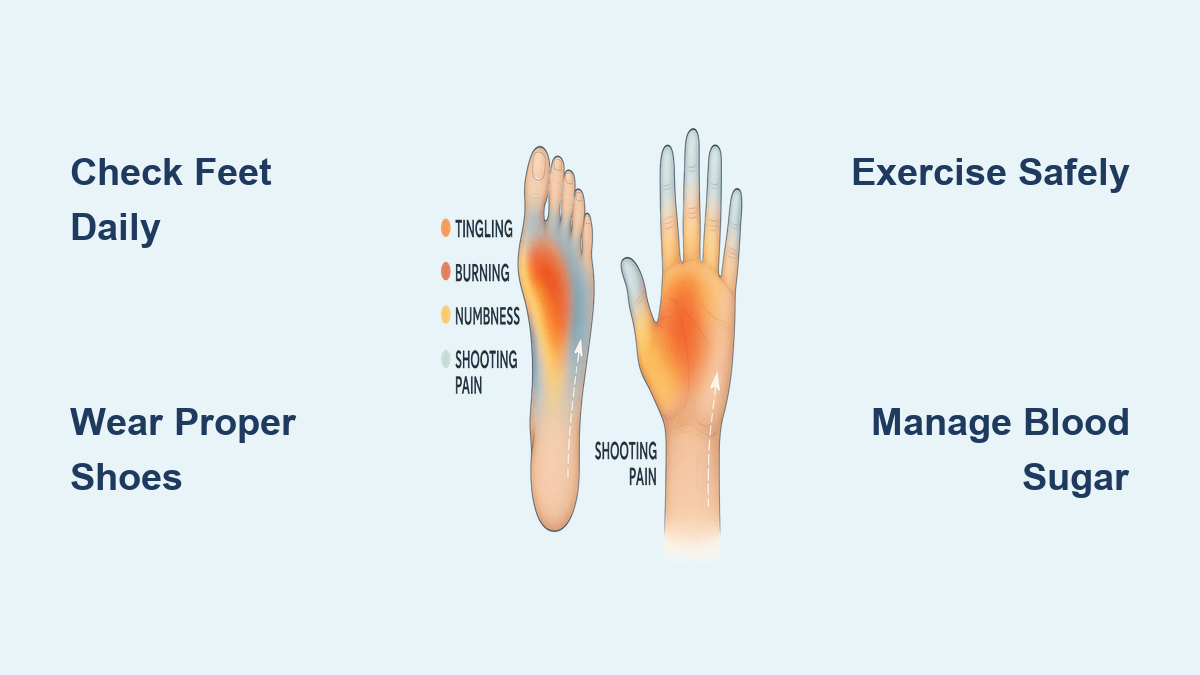
Typical symptoms:
– Gradual onset of tingling or numbness
– Feeling like you’re wearing thick socks
– Increased sensitivity to touch
– Poor balance due to loss of foot sensation
Major causes:
– Diabetes (leading cause)
– Alcohol abuse
– Autoimmune diseases (e.g., lupus)
– Vitamin B12 deficiency
– Chemotherapy drugs
– HIV or Lyme disease
Diagnostic tools:
– Nerve conduction studies (NCS)
– Blood tests for underlying conditions
– Skin biopsy (for small fiber neuropathy)
Diabetic Neuropathy
Chronically high blood sugar damages nerves and small blood vessels, starting in the feet.
Why it matters:
– Loss of protective sensation increases risk of unnoticed cuts and ulcers
– Poor circulation slows healing
– Risk of infection and amputation rises significantly
Prevention strategies:
– Maintain HbA1c below 7%
– Perform daily foot inspections
– Wear diabetic-safe footwear
– Get annual neurological foot exams
🩺 Expert Note: Diabetic patients should never go barefoot—even indoors—to prevent micro-injuries.
Alcoholic Neuropathy
Chronic alcohol use leads to nerve toxicity and deficiencies in key nutrients like B1, B6, B12, and folate.
Symptoms:
– Symmetrical numbness in feet
– Muscle weakness
– Balance issues
Treatment essentials:
– Stop alcohol consumption
– Begin B-complex supplementation
– Manage pain with gabapentin or amitriptyline
Circulatory Problems Affecting Sensation
Poor blood flow deprives nerves of oxygen, leading to numbness. Vascular causes are particularly dangerous because they increase the risk of tissue death and amputation.
Peripheral Artery Disease (PAD)
PAD results from atherosclerosis—plaque buildup in leg arteries—reducing blood supply to the feet.
Signs of PAD:
– Cold, pale, or bluish toes
– Leg pain when walking (intermittent claudication)
– Weak or absent foot pulses
– Slow-healing sores
Risk factors:
– Smoking
– Diabetes
– High cholesterol
– Age over 50
Testing options:
– Ankle-brachial index (ABI): compares blood pressure in arms and ankles
– Doppler ultrasound to assess blood flow
– Angiography for detailed imaging
Treatment plan:
– Supervised walking programs
– Medications: aspirin, statins, cilostazol
– Angioplasty or bypass surgery in advanced cases
💡 Time-Saving Tip: ABI testing is non-invasive, takes less than 15 minutes, and can detect PAD early—ask your doctor if you’re at risk.
Raynaud’s Phenomenon
This vasospastic disorder causes episodic restriction of blood flow to extremities, including toes.
Attack phases:
1. White phase: Arteries spasm → numbness and paleness
2. Blue phase: Oxygen drops → skin turns blue
3. Red phase: Blood returns → throbbing, redness, warmth
Triggers:
– Cold exposure
– Stress
Types:
– Primary Raynaud’s: No underlying disease; usually mild
– Secondary Raynaud’s: Linked to lupus, scleroderma, or atherosclerosis
Management:
– Wear insulated, moisture-wicking socks
– Avoid smoking (worsens vasoconstriction)
– Use nifedipine (calcium channel blocker) for frequent attacks
Frostbite and Frostnip

Exposure to freezing temperatures can damage nerves and blood vessels.
Frostnip vs. Frostbite:
| Feature | Frostnip | Frostbite |
|——–|——–|———|
| Depth | Superficial | Deep tissue |
| Skin appearance | Pale, numb | Hard, waxy, white/blue/black |
| Reversibility | Fully reversible | Risk of necrosis, amputation |
Rewarming protocol:
– Immerse affected area in warm water (37–39°C / 98.6–102.2°F) for 30 minutes
– Do not massage or use dry heat
– Seek emergency care for suspected frostbite
Vasculitis
Inflammation of blood vessels reduces circulation to nerves and skin.
Common associations:
– Lupus, rheumatoid arthritis
– Hepatitis C, certain medications
– Cancer (paraneoplastic)
Symptoms beyond numbness:
– Purplish skin spots (purpura)
– Ulcers on toes
– Fever, fatigue
Diagnosis:
– Blood tests: ESR, CRP, ANA, ANCA
– Biopsy of affected skin or nerve
– Angiography
Treatment:
– Corticosteroids (e.g., prednisone)
– Immunosuppressants like cyclophosphamide
– Address underlying disease
Structural Foot Conditions
Anatomical abnormalities can compress nerves or alter biomechanics, leading to numbness.
Bunions (Hallux Valgus)
A bony bump forms at the base of the big toe due to joint misalignment.
How it causes numbness:
– Pressure on adjacent sensory nerves
– Irritation from tight shoes
– Bursitis development
Contributing factors:
– Genetics
– Narrow or high-heeled shoes
Solutions:
– Wear wide-toe-box shoes
– Use bunion pads or splints
– Consider bunionectomy for severe cases
Hallux Limitus and Hallux Rigidus
Degenerative arthritis of the big toe joint leads to stiffness and bone spurs.
Numbness mechanism:
– Osteophytes pressing on nearby nerves
– Altered gait increasing pressure on other foot areas
Symptoms:
– Pain and swelling at the MTP joint
– Difficulty pushing off while walking
– Limited toe movement
Treatments:
– Stiff-soled shoes to limit motion
– Orthotics with Morton’s extension
– Surgical options: cheilectomy or arthrodesis
Hammertoe
A contracture deformity where the toe bends abnormally, potentially compressing nerves.
Common in:
– Second toe, but can affect the big toe
– People with high arches or tight calf muscles
Relief options:
– Toe crests or hammertoe pads
– Proper footwear with deep toe boxes
– Surgery for rigid deformities
Metatarsalgia
Inflammation under the ball of the foot can irritate nerves leading to the toes.
Causes:
– Overuse (running, jumping)
– High arches
– Ill-fitting shoes
Symptoms worsen with activity, improve with rest.
Treatment:
– Metatarsal pads placed just behind the ball of the foot
– Cushioned insoles
– Avoid barefoot walking on hard surfaces
Systemic and Metabolic Causes
Some body-wide conditions first manifest in the feet.
Gout (Podagra)
Uric acid crystals deposit in the big toe joint, causing intense inflammation.
Acute phase:
– Sudden, excruciating pain
– Red, hot, swollen joint
Chronic effects:
– Recurrent attacks damage nerves
– Tophi (urate deposits) erode bone and compress nerves
Diagnosis:
– Joint fluid analysis (gold standard)
– Elevated serum uric acid
Treatment:
– Acute: NSAIDs, colchicine, steroids
– Chronic: allopurinol or febuxostat to lower uric acid
🧪 Fact: Aspirin can worsen gout—avoid it during flares.
Vitamin Deficiencies
Lack of key nutrients impairs nerve function.
B12 Deficiency
- Common in vegans, elderly, and those with pernicious anemia
- Causes peripheral neuropathy: numbness, tingling, balance issues
- Reversible with oral or injectable B12
Other critical nutrients:
- B6: Both low and high levels cause neuropathy
- Folate (B9): Deficiency linked to neurological symptoms
- Vitamin E: Rare deficiency but causes ataxia and neuropathy
Testing recommendation: Include B12, folate, and homocysteine—elevated in deficiency states.
Autoimmune and Neurological Disorders
Multiple Sclerosis (MS)
MS attacks the central nervous system, sometimes causing isolated numbness in limbs.
Clues suggesting MS:
– Numbness in one toe that spreads
– Vision changes (optic neuritis)
– Fatigue, muscle spasms
– MRI shows characteristic brain/spinal lesions
Shingles (Herpes Zoster)
Reactivation of the chickenpox virus in sensory nerves.
If it affects the foot:
– Painful rash in a dermatomal pattern
– Can lead to postherpetic neuralgia: long-term pain or numbness
– Antiviral treatment (acyclovir) within 72 hours reduces complications
Trauma and Injury
Direct damage to the foot or nerves can cause immediate or delayed numbness.
Fractures and Sprains
Broken bones or ligament injuries may stretch or compress nerves.
Examples:
– Lisfranc fracture: midfoot injury affecting nerve paths
– Crush injuries: direct nerve trauma
Recovery depends on severity:
– Minor cases heal with rest and immobilization
– Severe cases may require surgery and physical therapy
Flexor Hallucis Longus Injury
This tendon flexes the big toe. When inflamed or torn, swelling can compress adjacent nerves.
Seen in:
– Athletes (especially dancers, runners)
– After overuse or sudden trauma
Symptoms:
– Pain under the arch
– Numbness in the big toe
– Difficulty pushing off during gait
Treatment:
– Rest, ice, NSAIDs
– Physical therapy
– Surgery if tendon rupture occurs
Lifestyle and Environmental Triggers
Often overlooked, daily habits play a major role in foot health.
Tight or Ill-Fitting Shoes
One of the most common reversible causes.
Effects:
– Compresses digital nerves
– Reduces blood flow
– Causes temporary or chronic paresthesia
Shoe fit guidelines:
– Leave half a thumb’s width space at the toe (casual shoes)
– Allow full thumb’s width in athletic shoes
– Avoid heels over 2 inches
👟 Quick Fix: Try on shoes in the evening—they should feel roomy, not tight.
Prolonged Immobility
Sitting with legs crossed or sleeping awkwardly can compress nerves.
Known as obdormition—”foot falling asleep”—this resolves within minutes once pressure is released.
Prevention:
– Change positions every 30 minutes
– Avoid crossing legs for long periods
– Use supportive pillows when sleeping
Smoking
Nicotine constricts blood vessels, reducing circulation to extremities.
Impact:
– Worsens PAD and Raynaud’s
– Slows nerve healing
– Increases risk of foot ulcers
Best intervention: Quit smoking—improves circulation within weeks.
Cold Climate Exposure
Even brief exposure to cold can trigger numbness.
Protective measures:
– Wear moisture-wicking liner socks + wool outer layer
– Use waterproof, insulated boots
– Change wet socks immediately
❄️ Warning: Wet feet lose heat 25 times faster than dry ones—always keep feet dry in cold weather.
When to See a Doctor
Don’t ignore persistent numbness. Seek medical advice if:
– Numbness lasts more than a few days
– Spreads to other toes, foot, or leg
– You have diabetes or a history of neuropathy
– There’s muscle weakness or trouble walking
– Skin changes: ulcers, discoloration, coldness
– Numbness follows an injury
– You experience one-sided facial droop, slurred speech, or headache → possible stroke (seek emergency care)
Prevent Big Toe Numbness
Top prevention strategies:
– Wear properly fitted, supportive shoes
– Avoid high heels and narrow toe boxes
– Control blood sugar if diabetic
– Take B12 supplements if at risk
– Quit smoking to boost circulation
– Stay active: walking improves nerve and blood flow
– Protect feet in cold weather
– Check feet daily for sores or changes
– Manage chronic conditions like arthritis and hypertension
Final Note: Numbness in the big toe is rarely an isolated issue—it’s a signal. Whether due to footwear, nerve compression, or systemic disease, identifying the root cause early prevents complications like ulcers, infections, or permanent nerve damage. Use this guide to recognize warning signs, take action, and know when to get help. Your feet carry you every day—listen when they send a message.