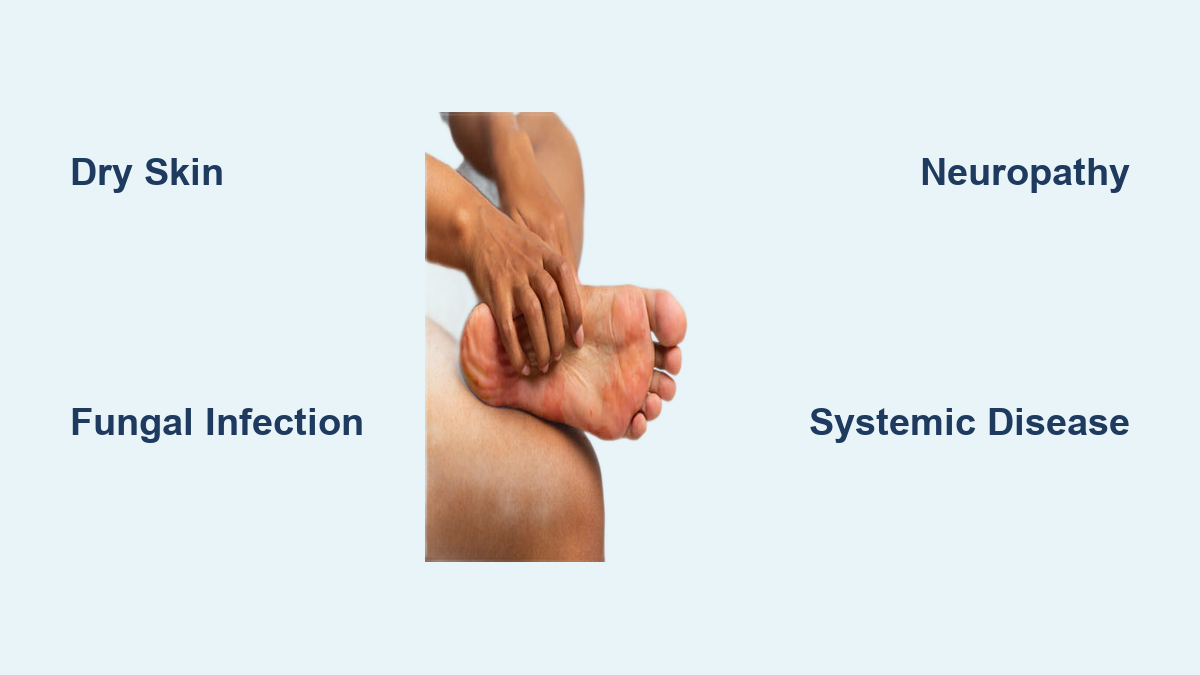
Waking up with an overwhelming urge to scratch your feet or toes is more than just a minor annoyance—it can disrupt sleep, increase stress, and even signal an underlying health issue. The condition, known medically as nocturnal pruritus, affects countless people and tends to intensify after dark. While dry skin or a simple fungal infection might explain occasional discomfort, persistent itchy feet and toes at night could indicate deeper problems such as nerve damage, systemic illness, or allergic reactions.
Why does itching get worse at night? Your body follows a natural 24-hour rhythm that influences hormone levels, skin temperature, and immune activity—all of which can amplify itch signals when you’re trying to sleep. As distractions fade and cortisol (a natural anti-inflammatory hormone) drops, even mild irritation becomes unbearable. Combine this with dry indoor air, sweaty socks, or undiagnosed conditions like diabetes or liver disease, and the result is a cycle of nighttime discomfort. This guide explores every possible cause of itchy feet at night—from common skin conditions to hidden medical disorders—so you can identify triggers, find effective relief, and know when to seek professional help.
Circadian Rhythm Triggers Nighttime Itch
Your body’s internal clock plays a major role in why your feet itch more at night. The circadian rhythm regulates hormones, blood flow, and inflammation, all of which peak or dip during sleep hours—often worsening skin sensitivity.
Body Temperature Rises at Night
During sleep, blood flow increases to the skin’s surface, especially in hands and feet. This natural warming effect stimulates nerve endings and can provoke itching, even without visible rash. Wearing thick socks or using heavy blankets may trap heat and make symptoms worse.
Cortisol Drops, Histamine Rises
Cortisol, your body’s natural anti-inflammatory hormone, reaches its lowest levels at night. At the same time, histamine—a chemical involved in allergic and inflammatory responses—peaks. This imbalance reduces your ability to suppress itch signals, making them harder to ignore when lying in bed.
Hormonal Fluctuations in Menopause and Pregnancy
Changing estrogen levels during menopause or pregnancy can lead to dry, sensitive skin. Two pregnancy-related conditions linked to foot itching include:
– Pruritus gravidarum: Generalized itching, often affecting palms and soles
– PUPPP (pruritic urticarial papules and plaques of pregnancy): An itchy rash appearing in late pregnancy
If you experience intense nighttime itching without a rash, circadian and hormonal shifts may be key contributors—even if other factors are also involved.
Dry Skin (Xeroderma) Causes Flaking and Itch
One of the most common reasons for itchy feet at night is dry skin, or xeroderma. When the skin loses moisture, it becomes rough, cracked, and prone to irritation—especially on weight-bearing areas like heels and soles.
Why Dry Skin Worsens at Night
- Transepidermal water loss increases during sleep, weakening the skin barrier
- Indoor heating in winter reduces humidity
- Hot showers before bed strip natural oils from the skin
Signs You Have Dry Skin-Related Itch
- Flaky or scaly patches on soles, heels, or toes
- Fine cracks or deep fissures
- Mild to moderate itching that intensifies at night
- Relief after applying moisturizer
Quick Fixes for Dry Feet
- Apply fragrance-free moisturizers like CeraVe, Eucerin, or Vaseline before bed
- Wear cotton socks overnight to lock in hydration
- Use a humidifier in your bedroom
- Avoid long, hot showers and harsh soaps
Most cases improve within days with consistent care—dry skin responds well to simple hydration strategies.
Fungal Infections Like Athlete’s Foot

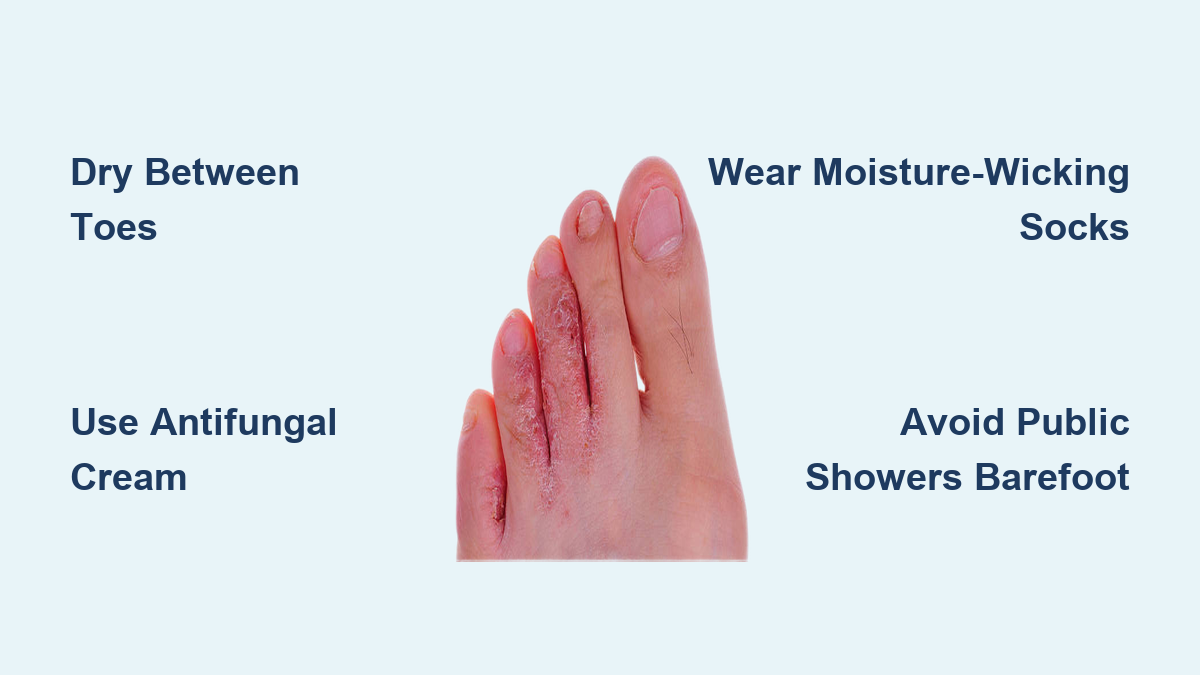
If your toes itch intensely at night, particularly between the fourth and fifth toes, athlete’s foot (tinea pedis) may be the culprit. This common fungal infection thrives in warm, moist environments—like sweaty shoes and damp locker rooms.
Types of Athlete’s Foot
- Interdigital: Red, peeling skin between toes; may weep or blister
- Moccasin-type: Dry, scaly rash on soles and sides; often mistaken for dry skin
- Vesicular: Sudden small blisters on arches or heels
Why Fungal Itch Gets Worse at Night
Fungi remain active in dark, warm areas. At night, increased blood flow and body heat reactivate inflammation, causing itching to surge. Scratching can spread the infection to other toes or even your hands.
How to Treat Athlete’s Foot
- OTC antifungal creams: Clotrimazole (Lotrimin), terbinafine, tolnaftate
- Oral antifungals: For severe or recurring cases (prescription required)
- Keep feet dry: Use antifungal powder and change socks daily
- Disinfect shoes and shower floors
Treatment typically takes 2–4 weeks. Stopping too soon can lead to recurrence.
Eczema and Dyshidrotic Eczema Flares
Eczema isn’t just for children—it can flare on adult feet and worsen at night due to temperature changes and stress.
Dyshidrotic Eczema: Blisters on Soles

- Causes deep, tiny fluid-filled blisters on soles, sides of feet, or toes
- Extremely itchy; often triggered by stress, moisture, or metal allergies
- Common in women and those with seasonal allergies
Other Eczema Types Affecting Feet
- Atopic dermatitis: Chronic, genetic form; may affect ankles and feet
- Allergic contact dermatitis: Reaction to shoe materials, dyes, or detergents
Treatment Options
- Topical steroids: Hydrocortisone (OTC) or stronger prescriptions
- Moisturizers: Apply frequently, especially after washing
- Antihistamines: Diphenhydramine (Benadryl) helps reduce nighttime scratching
- Home remedies: Colloidal oatmeal soaks, coconut oil, aloe vera
Mild flares resolve in days; chronic eczema may require weeks of consistent treatment.
Psoriasis: Autoimmune Skin Buildup

Psoriasis causes the immune system to accelerate skin cell production, resulting in thick, scaly patches.
Psoriasis on Feet
- Plaque psoriasis: Red, raised patches with silvery scales on soles or tops
- Pustular psoriasis: Pus-filled blisters on soles—can mimic fungal infections
- Erythrodermic psoriasis: Rare, severe form requiring emergency care
Why Psoriasis Itches More at Night
Inflammation follows circadian patterns, peaking at night. Scratching worsens plaques and increases infection risk.
Managing Psoriasis-Related Itch
- Topical steroids: Betamethasone, triamcinolone
- Salicylic acid and coal tar: Reduce scaling
- Biologics: For moderate to severe cases
- Lifestyle changes: Avoid stress, alcohol, and skin trauma
Psoriasis is often misdiagnosed as athlete’s foot—see a dermatologist for accurate diagnosis.
Peripheral Neuropathy Causes Nerve-Related Itch
When nerves are damaged, they send false signals—including itch—without any skin problem.
Common Causes of Neuropathic Itch
- Diabetes (diabetic neuropathy): High blood sugar damages nerves
- Alcohol abuse
- Chemotherapy
- Toxin exposure
- Idiopathic (unknown cause)
Symptoms of Nerve-Induced Itch
- Itching, burning, or “pins and needles” in feet
- Worse at night
- No visible rash or skin changes
- May include numbness or tingling
Treatments That Target Nerves
- Gabapentin or pregabalin: Prescription nerve pain medications
- Topical lidocaine or capsaicin: Provide counter-irritation
- Control underlying disease: Tight blood sugar control in diabetes
- Avoid neurotoxic drugs
Neuropathic itching is often chronic and difficult to treat—focus is on symptom relief and disease management.
Systemic Diseases Behind Itchy Feet

Sometimes, itchy feet are a sign of internal illness—not skin problems.
Liver Disease: Bile Salt Buildup
- Pruritus is an early sign of liver dysfunction
- Affects palms and soles, worse at night
- No rash; scratching doesn’t relieve itch
- Other symptoms: Jaundice, dark urine, fatigue
Cause: Bile salts accumulate in the bloodstream and irritate nerves.
Kidney Disease: Uremic Toxins
- Common in dialysis patients
- Generalized itching, often on feet and hands
- Due to buildup of waste products in the blood
Thyroid Disorders
- Hypothyroidism and hyperthyroidism both cause dry, itchy skin
- Accompanied by fatigue, weight changes, heat/cold intolerance
Cancer and Vitamin Deficiencies
- Lymphoma or leukemia may present with unexplained itching
- Low B12, vitamin D, or iron contribute to skin dryness and nerve issues
Suspect a systemic cause if itching is widespread, rash-free, and unresponsive to creams.
Allergies and Contact Dermatitis
Your shoes, socks, or laundry products might be to blame.
Common Allergens
- Shoe materials: Rubber, leather, dyes
- Detergents and fabric softeners
- Bedding allergens: Dust mites, pet dander
Symptoms of Allergic Reaction
- Red, bumpy, blistering rash
- Swelling and oozing
- Itching that starts hours after exposure
How to Diagnose and Treat
- Patch testing by a dermatologist identifies specific allergens
- Switch to hypoallergenic detergents
- Take antihistamines: Cetirizine (Zyrtec), loratadine (Claritin)
- Use topical corticosteroids for flare-ups
Eliminating the allergen usually resolves symptoms within days.
Medications That Cause Itchy Feet
Certain drugs list itching as a side effect—even without a rash.
Itch-Inducing Medications
- Opioids: Trigger histamine release
- ACE inhibitors (e.g., lisinopril)
- Statins: Cholesterol-lowering drugs
- Antibiotics: Penicillin, sulfonamides
- NSAIDs: Ibuprofen, naproxen
- Anticonvulsants
What to Do
- Don’t stop medication without consulting your doctor
- Ask about alternatives if itching begins after starting a new drug
- Use antihistamines or topical steroids for temporary relief
Medication-induced pruritus often resolves once the drug is discontinued.
Parasites: Scabies and Bed Bugs
When itching is severe and worst at night, think parasites.
Scabies: Mites Burrow Into Skin
- Caused by Sarcoptes scabiei mites
- Intense nighttime itching is a hallmark
- Pimple-like rash with wavy burrow lines on skin
- Highly contagious through close contact
Treatment for Scabies
- Prescription permethrin cream
- Treat all household members
- Wash bedding, clothing, and towels in hot water
- Use antihistamines and pramoxine lotion for itch control
Bed Bugs: Bite in Lines
- Leave “breakfast, lunch, dinner” pattern of bites
- Itch due to saliva allergy
- Affect any body part, not just feet
Rule out bed bugs if bites appear on arms, legs, or torso.
When to See a Doctor
Persistent or severe itching needs medical evaluation.
Seek Help If:
- Itching lasts more than 2–4 weeks despite home care
- Skin shows signs of infection: redness, swelling, pus
- You have open sores or bleeding from scratching
- No rash but itching continues (suggests neuropathy or systemic disease)
- You experience jaundice, fatigue, numbness, or weight loss
Emergency Warning Signs
- Difficulty breathing, facial swelling, dizziness—possible anaphylaxis
Doctors may perform skin scrapings, blood tests, or biopsies to find the root cause.
Treatment and Prevention Strategies
Immediate Relief Tactics
- Cold compress: Apply for 5–10 minutes to calm inflammation
- OTC hydrocortisone: For eczema, contact dermatitis
- Antifungal cream: For suspected athlete’s foot
- Oral antihistamine: Diphenhydramine (Benadryl) for sleep and itch
- Calamine lotion: Soothes irritated skin
Long-Term Prevention
- Moisturize daily: Use thick, fragrance-free creams
- Wear breathable shoes and cotton socks
- Wash feet daily and dry thoroughly between toes
- Use mild, unscented laundry detergent
- Trim nails and wear cotton gloves at night to prevent skin damage
Itchy feet and toes at night are rarely caused by one single factor. Often, a mix of dry skin, circadian rhythms, infections, or systemic diseases creates the perfect storm. While many cases respond to simple fixes like moisturizing or antifungal cream, persistent or unexplained itching demands medical attention. Early diagnosis prevents complications like infection, sleep loss, and worsening of underlying conditions. Whether it’s a rash, nerve issue, or internal disease, getting the right treatment starts with understanding the cause.