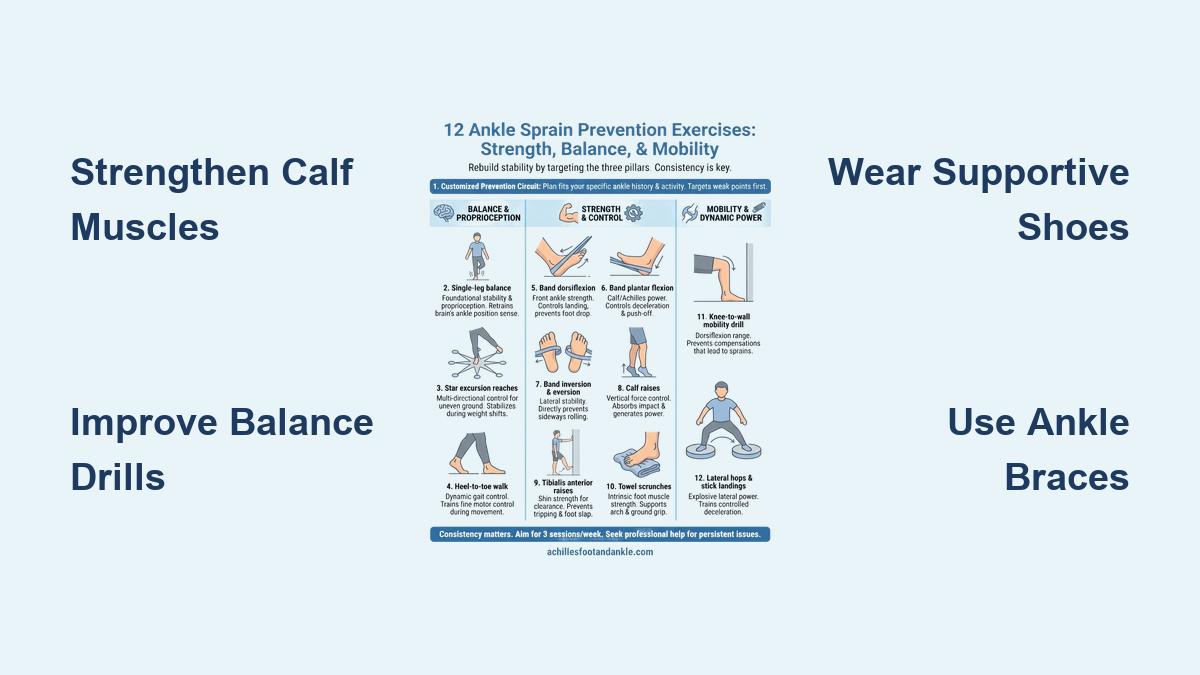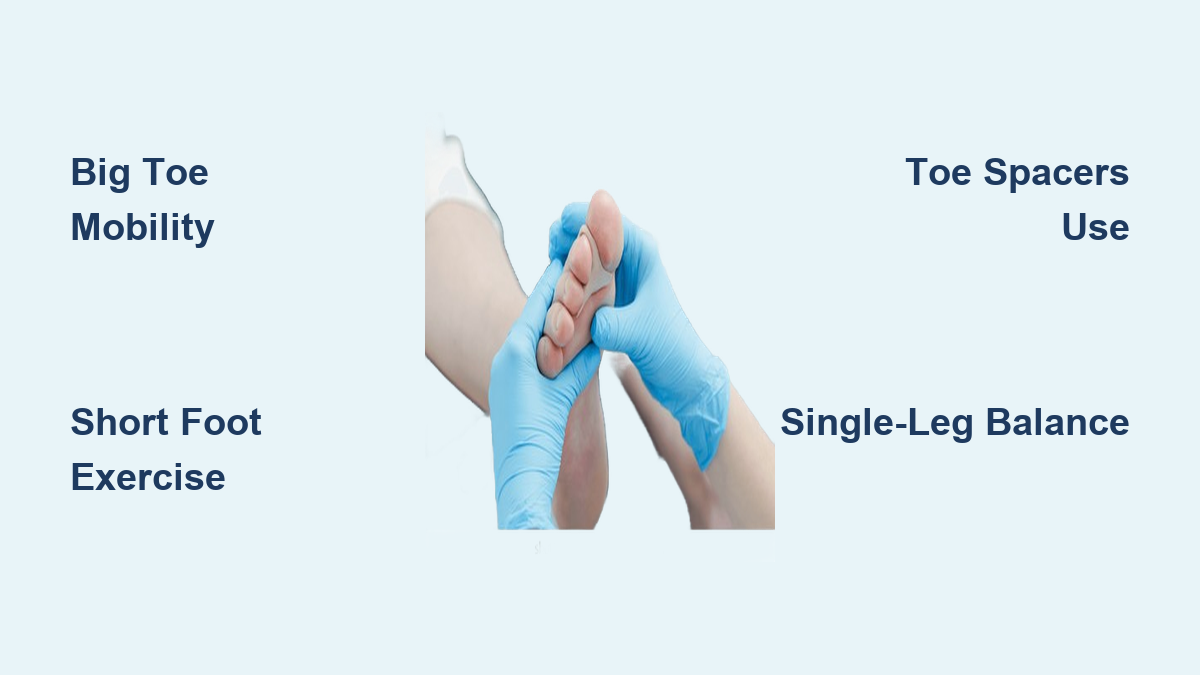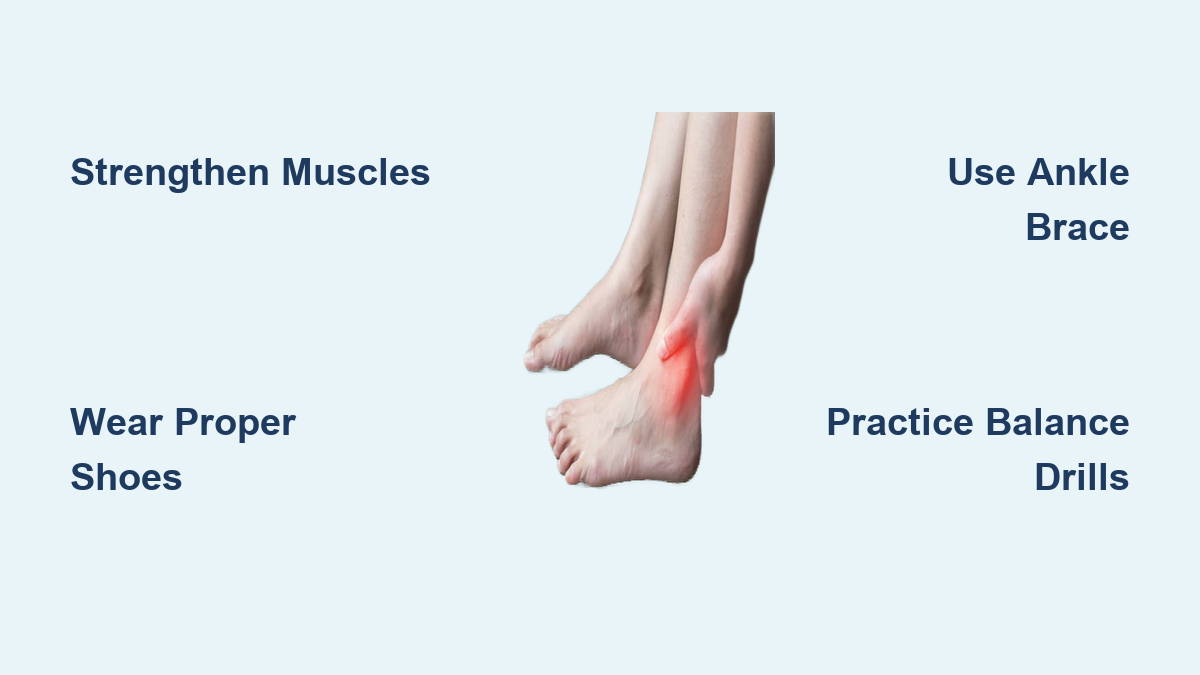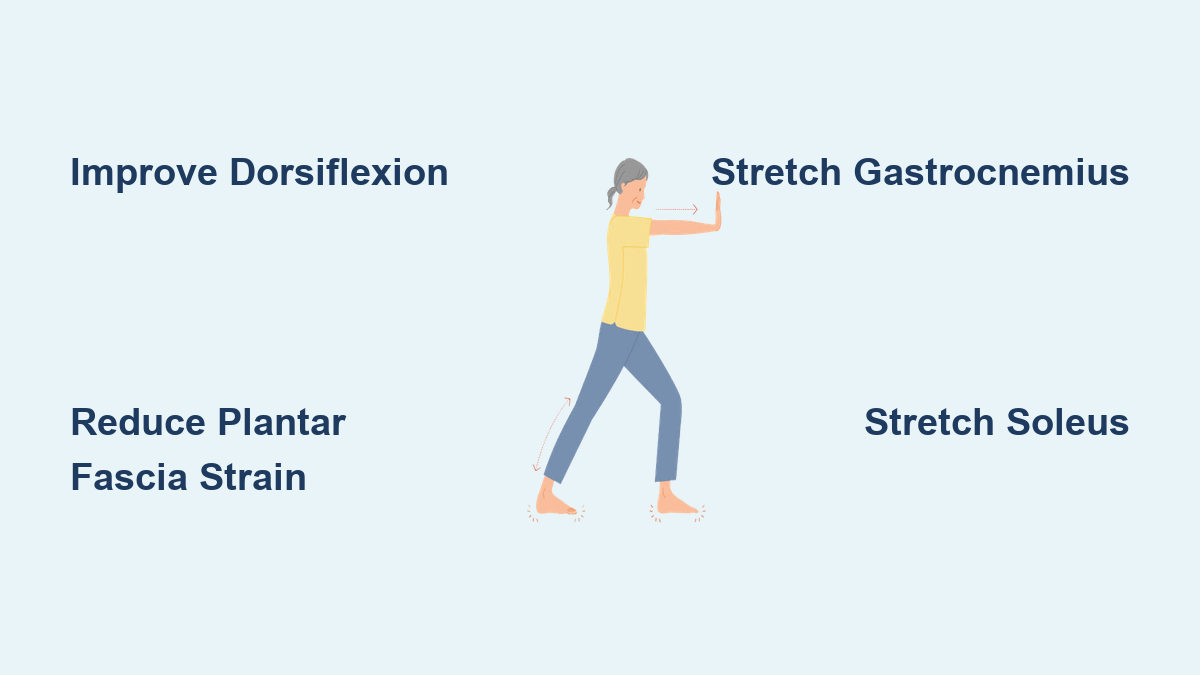
If you’ve ever limped through your morning routine with stabbing heel pain, you know how disabling foot discomfort can be—especially when it strikes with every first step out of bed. While plantar fasciitis is often blamed, one of the most overlooked culprits behind this pain is tight calf muscles. Calf stretching for foot pain relief isn’t just a trendy wellness tip—it’s a science-backed, low-cost strategy that targets the root of many common foot problems. When your gastrocnemius and soleus muscles are stiff, they pull relentlessly on the Achilles tendon, which directly transfers tension to the plantar fascia, the thick band supporting your foot’s arch. This chain reaction can lead to inflammation, microtears, and chronic heel pain.
Though stretching may not provide instant relief—especially in acute flare-ups—long-term, consistent practice can restore ankle mobility, reduce strain on the foot, and prevent recurring pain. Research shows mixed results for short-term use, but studies consistently support daily stretching over 6–8 weeks as a key method for improving flexibility, gait mechanics, and overall foot health. Whether you’re on your feet all day, a weekend runner, or simply want to walk without wincing, integrating targeted calf stretches into your daily routine could be the missing piece in your foot pain recovery.
This guide dives into how tight calves contribute to foot pain, which stretches are most effective, how to do them safely, and what the research really says—so you can stretch with confidence and purpose.
How Calf Tightness Triggers Foot Pain

The Biomechanical Chain Reaction
Tight calf muscles—specifically the gastrocnemius and soleus—limit ankle dorsiflexion, the motion required to bend your foot upward toward your shin. Without adequate dorsiflexion, your foot can’t absorb impact properly during walking or standing. Instead, your body compensates by flattening the arch, rolling the foot inward (overpronation), or lifting the heel too early in your stride. These unnatural movements place excessive strain on the plantar fascia, leading to microtrauma and inflammation.
Because the calf muscles attach to the heel via the Achilles tendon, any tightness here directly increases tension at the plantar fascia’s origin on the calcaneus (heel bone). Over time, this repetitive stress causes the hallmark stabbing pain of plantar fasciitis, especially after rest or prolonged inactivity. Even a small deficit in dorsiflexion—just 5 to 10 degrees—can significantly elevate plantar fascia strain, making calf flexibility a critical factor in foot health.
Link to Common Foot and Lower Limb Conditions
Calf tightness doesn’t just affect your feet—it can destabilize your entire lower limb biomechanics. Restricted dorsiflexion forces your body to adapt, often leading to:
– Plantar fasciitis: Most common in adults 40–60, frequently linked to poor ankle mobility.
– Achilles tendonitis: Increased load on the tendon from tight calves raises injury risk.
– Shin splints and knee pain: Altered gait patterns transfer stress up the kinetic chain.
– Flat feet or overpronation: Stiff ankles encourage the foot to collapse inward during stance.
People who stand for long hours, wear high heels, or engage in repetitive activities like running are particularly vulnerable. Even sedentary lifestyles contribute—prolonged sitting with feet pointed down can shorten the calf muscles over time, setting the stage for pain when activity resumes.
Why Stretching Helps—Even If Results Aren’t Immediate
Restores Ankle Dorsiflexion and Gait Efficiency
The primary goal of calf stretching is to improve ankle dorsiflexion range of motion. With more mobility, your foot can move through its natural heel-to-toe gait cycle without overstraining the plantar fascia. Even modest gains in flexibility can reduce pressure on the heel during weight-bearing activities.
Studies suggest that increasing dorsiflexion by just 5–10 degrees can meaningfully decrease plantar fascia strain. While these changes take weeks to develop, consistent stretching leads to measurable improvements in flexibility, pain reduction, and walking mechanics. The key is patience—this is a long-term investment in foot health, not a quick fix.
Reduces Passive Tension on the Plantar Fascia
When calf muscles are chronically tight, they exert constant pull on the Achilles tendon, which in turn increases passive tension on the plantar fascia—especially in the morning when tissues are stiff and cold. Regular stretching helps lengthen these muscles, reducing the baseline strain on the fascia. Over time, this breaks the cycle of inflammation and microtearing that leads to chronic heel pain.
Although Radford et al. (2007) found no significant benefit from a 2-week stretching program, longer studies like DiGiovanni et al. (2003) show meaningful improvements after 6–8 weeks of daily practice. The takeaway: stretching is cumulative and preventive, not a short-term cure.
Best Calf Stretches for Foot Pain Relief
Gastrocnemius Stretch (Straight-Knee)
Targets the upper calf muscle that crosses both the knee and ankle.
How to do it:
1. Stand facing a wall, hands at chest height.
2. Step one foot back, keeping the leg straight and heel firmly on the ground.
3. Bend the front knee and lean forward until you feel a stretch in the back calf.
4. Hold for 30 seconds; repeat 2–3 times per leg.
✅ Pro tip: Keep your back foot pointing straight ahead—flaring the foot outward reduces effectiveness.
Soleus Stretch (Bent-Knee)
Focuses on the deeper calf muscle that’s active during standing and walking.
How to do it:
1. Same setup as above, but bend the back knee slightly while keeping the heel down.
2. Lean forward to deepen the stretch in the lower calf.
3. Hold 30 seconds; repeat 2–3 times.
✅ Why it matters: The soleus is often more chronically tight than the gastrocnemius and plays a bigger role in sustained posture.
Step Stretch (Heel Drop)
Ideal for runners and those with stiff calves.
How to do it:
1. Stand on a stair or curb with the ball of your foot on the edge.
2. Slowly lower your heel below the step until you feel a stretch.
3. Keep the knee straight (gastrocnemius) or slightly bent (soleus).
4. Repeat 10–15 times, 2–3 sets daily.
⏱️ Best time: Morning and after activity to counter stiffness.
Downward-Facing Dog
A full posterior chain stretch used in yoga.
How to do it:
1. Start on hands and knees.
2. Lift hips up and back, straightening legs and pressing heels toward the floor.
3. Slightly bend knees if needed to keep heels down.
4. Hold 30–60 seconds.
🧘♂️ Bonus: Also stretches hamstrings, back, and plantar fascia.
Towel Stretch
Perfect for mornings or limited mobility.
How to do it:
1. Sit with one leg extended.
2. Loop a towel around the ball of your foot.
3. Gently pull the towel toward you, keeping the knee straight.
4. Hold 30 seconds; repeat 3 times per foot.
🛌 Ideal for: Bedtime or early recovery.
Stretching Protocol: How Often and How Long?

Recommended Daily Routine
For lasting results, consistency matters more than intensity. Follow this evidence-based plan:
| Component | Recommendation |
|---|---|
| Frequency | 2–3 times daily |
| Duration | 30 seconds per stretch |
| Repetitions | 2–3 per session |
| Daily total | ~9 minutes (e.g., three 3-minute sessions) |
| Timing | Upon waking, before/after activity |
Key Tips for Success
- Start gently: Never stretch into sharp pain.
- Be patient: Flexibility gains take 4–8 weeks.
- Warm up first: Light walking or a warm shower improves tissue elasticity.
- Combine therapies: Use orthotics, supportive shoes, or night splints if needed.
🚫 Avoid if: You have acute Achilles pain, calf tears, or severe inflammation.
What the Science Says: Short-Term vs. Long-Term

Radford Trial (2007): No Short-Term Benefit
A 14-day RCT found no significant improvement in pain or function from calf stretching using a wedge. Some participants even reported increased heel or calf pain. However, the short duration and specific method (wedge) may have limited effectiveness.
Long-Term Evidence Supports Stretching
Studies with 6–8 week programs show real benefits. Clinical guidelines continue to recommend calf stretching as a first-line conservative treatment.
📌 Bottom line: Not a quick fix, but a powerful long-term preventive tool.
Risks and When to Avoid Stretching
Potential Side Effects
Stretching can worsen symptoms if done aggressively, especially with:
– Acute plantar fasciitis
– Achilles tendonitis
– Calf strains
Stop if you feel sharp pain, swelling, or sudden weakness.
Contraindications
Avoid aggressive stretching if you have:
– Acute tendon rupture
– Severe inflammation
– Ankle instability
– Diabetic neuropathy
✅ Always consult a podiatrist if pain persists beyond 2–3 weeks.
Beyond Foot Pain: Full-Body Benefits of Calf Flexibility
Improved Gait, Posture, and Injury Prevention
Flexible calves support:
– Smoother heel-to-toe motion
– Reduced overpronation
– Lower risk of shin splints, knee pain, and IT band syndrome
Athletes benefit from fewer calf strains and better balance and stability.
Enhanced Mobility with Age
Daily stretching helps maintain:
– Functional independence
– Safe stair climbing
– Comfortable shoe wear
Dr. Jordan Brassell (HROSM Podiatry) calls calf stretching one of the most effective, low-effort preventive measures for lifelong foot health.
Final Recommendations: Stretch Smart, Not Hard
Calf stretching won’t cure foot pain overnight—but done right, it can prevent relapses and keep your feet strong.
✅ Do This:
- Stretch daily, especially in the morning.
- Use low-impact methods like wall or step stretches.
- Combine with supportive footwear and orthotics.
- Track progress: Measure ankle dorsiflexion monthly.
❌ Avoid This:
- Overstretching to the point of pain.
- Using a wedge if you have acute heel pain.
- Relying on stretching alone.
When to See a Professional:
- Pain lasts more than 4 weeks
- You can’t stretch without severe discomfort
- You suspect a tear or nerve issue
Bottom Line:
Calf stretching for foot pain relief is not a miracle cure, but a science-backed, preventive habit. While short-term studies show limited benefit, long-term practice improves flexibility, reduces plantar fascia strain, and supports overall lower limb health. Start gently, stay consistent, and pair stretching with proper footwear and professional care when needed. Your feet—and your future self—will thank you.