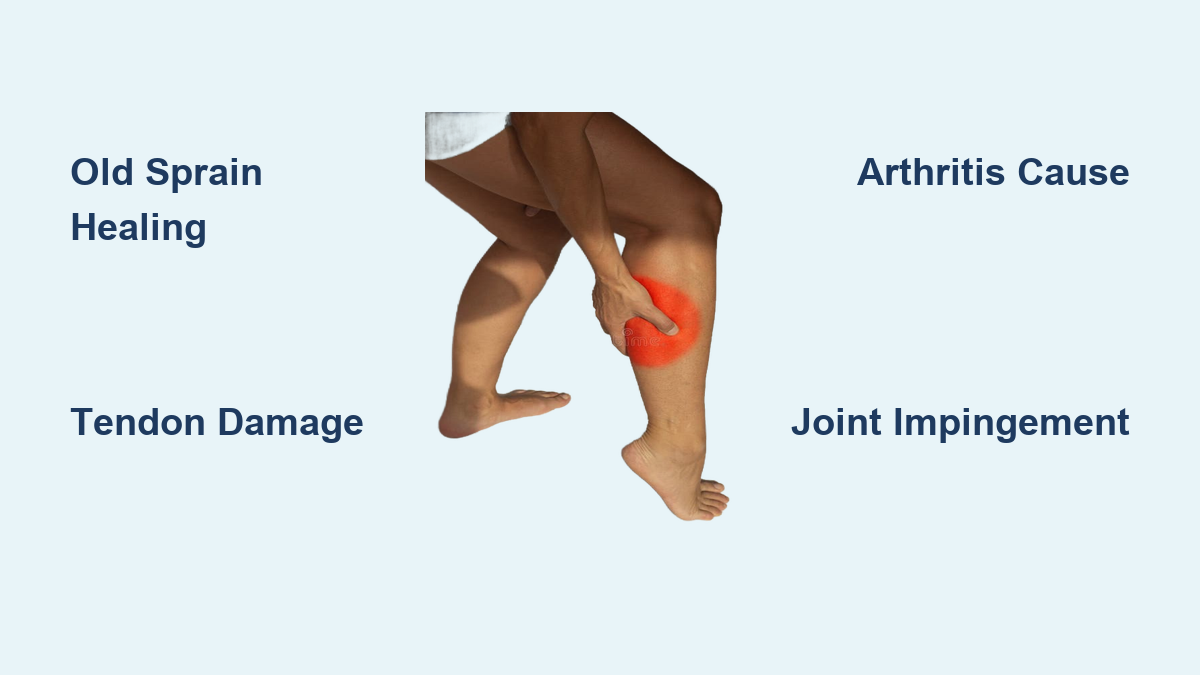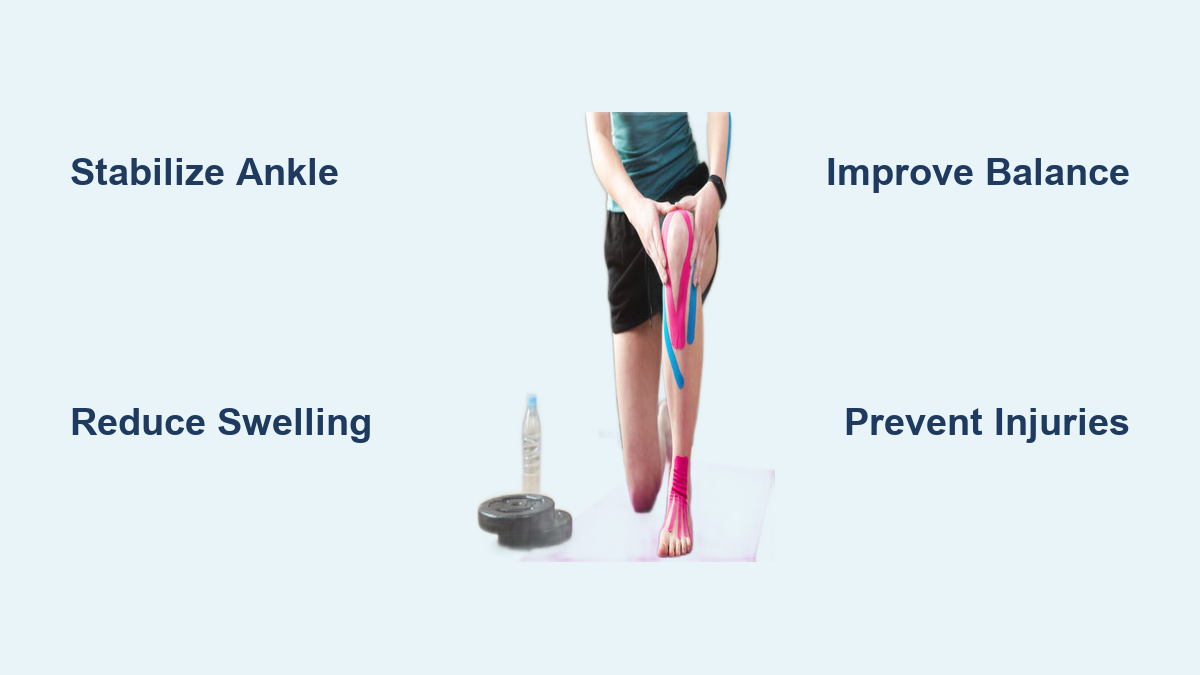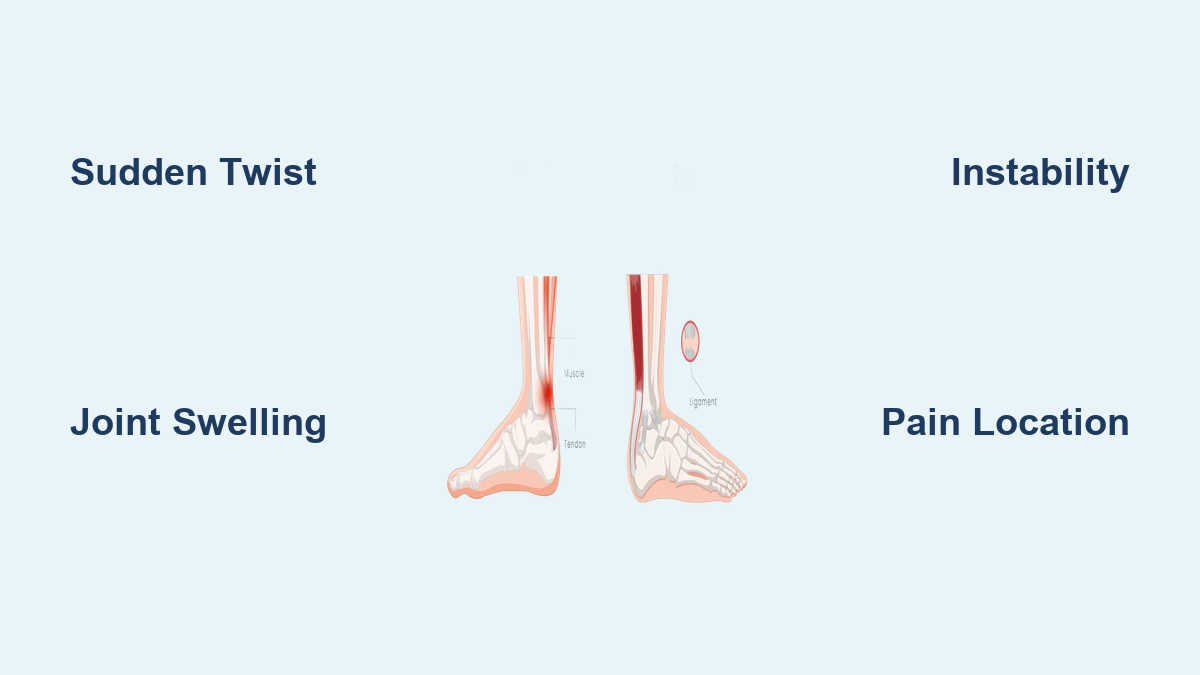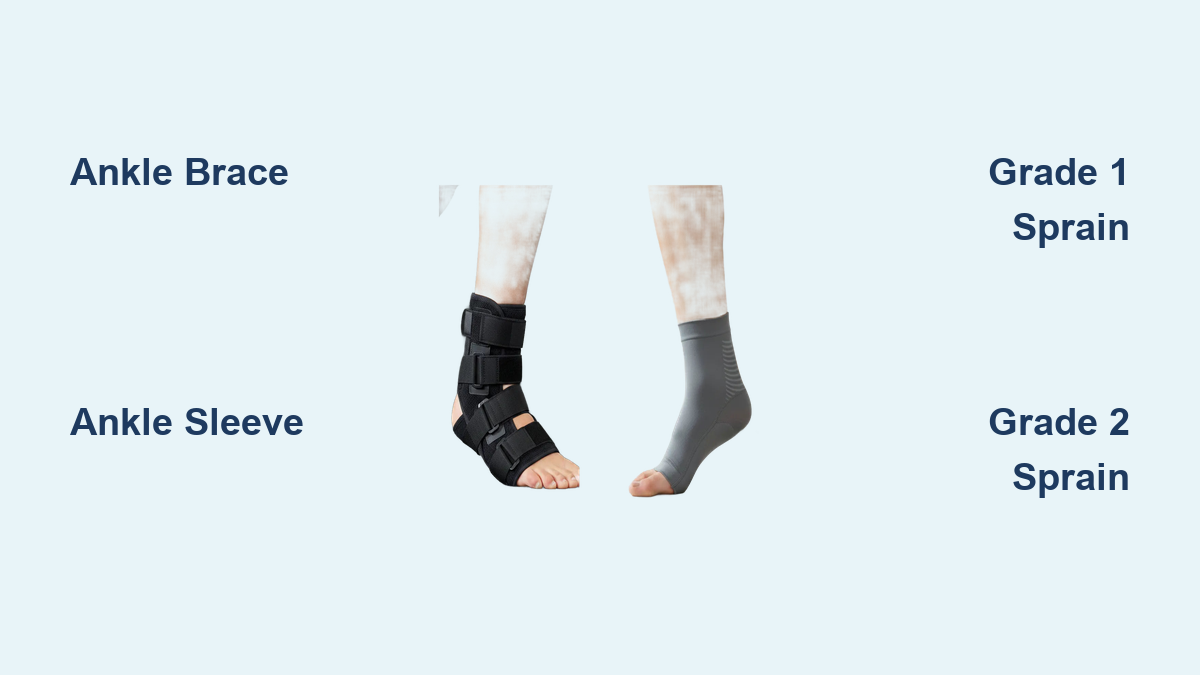
If you’ve ever twisted your ankle on a trail, felt persistent heel pain after standing all day, or struggled with swelling during long work shifts, you’ve likely considered extra support. But should you reach for an ankle brace or an ankle sleeve? While they may look similar at first glance, these two supports serve very different purposes—and choosing the wrong one could delay healing or increase your risk of re-injury.
An ankle sleeve is a stretchy, sock-like compression garment that boosts circulation, reduces swelling, and enhances joint awareness without restricting movement. It’s ideal for mild discomfort, fatigue relief, or daily wear. In contrast, an ankle brace includes rigid components like plastic stays, hinges, or adjustable straps that actively stabilize the joint and prevent harmful motions like rolling inward or outward. Braces are essential for moderate to severe sprains, post-surgery recovery, or high-impact sports.
Understanding the difference between an ankle brace and an ankle sleeve isn’t just about comfort—it’s about matching the right level of support to your injury, activity, and long-term goals. Whether you’re an athlete returning to the court, someone on their feet all day, or managing a chronic condition like arthritis or plantar fasciitis, this guide will help you make an informed decision. You’ll learn exactly when to use each, how they differ in design and function, and which product fits your specific needs—so you can move confidently and safely.
Core Definitions: What Each Device Is
Ankle Sleeve: Compression Without Restriction
An ankle sleeve is a flexible, slip-on support made from stretchy materials like neoprene, spandex, or moisture-wicking fabric. It applies consistent compression around the ankle joint but contains no rigid parts, straps, or hinges. This design allows full range of motion while enhancing proprioception—the body’s ability to sense joint position—which can improve balance and reduce the risk of missteps.
Its primary benefits include reducing mild swelling, increasing blood flow, and providing warmth and comfort during prolonged standing or light activity. Because it’s low-profile and breathable, most sleeves fit easily inside regular shoes and can be worn all day. They’re commonly used for minor sprains (Grade 1), post-exercise recovery, or general joint fatigue. Think of an ankle sleeve as a supportive hug—it soothes and stabilizes lightly, but doesn’t stop your ankle from rolling.
Ankle Brace: Stabilization With Structure
An ankle brace is engineered for mechanical support. Unlike sleeves, braces feature rigid elements such as plastic side supports, metal hinges, or figure-8 strapping systems that limit excessive ankle motion—especially inversion (rolling inward), the most common cause of sprains. These devices are designed for moderate to severe injuries (Grade 2–3 sprains), post-operative rehab, or high-risk sports like basketball and tennis.
Braces come in several styles: lace-up, wrap-around, hinged, and rigid stirrup types. Each offers varying levels of adjustability and protection. While they’re bulkier than sleeves and may require wider footwear, their ability to restrict harmful movement makes them crucial during healing or when returning to dynamic activities. A brace doesn’t just compress—it actively guards the joint, acting like an external ligament system.
Key Differences at a Glance

Support Level and Joint Stability
Ankle braces provide moderate to maximum support, mechanically limiting joint motion to protect healing ligaments or prevent re-injury. They’re essential when stability is compromised. Ankle sleeves offer mild to moderate support through compression alone—helping with swelling and comfort but doing little to prevent ankle rolls. If your ankle feels loose or unstable, a brace is necessary. For minor soreness or fatigue, a sleeve may suffice.
Mobility vs. Restriction
Sleeves allow full ankle mobility, making them perfect for walking, yoga, or low-impact workouts where natural movement is key. Braces restrict side-to-side motion, particularly inversion, which protects injured ligaments but may feel stiff initially. Choose based on whether you need flexibility (sleeve) or protection (brace).
Design and Wearability
Braces contain straps, buckles, or rigid shells, making them more adjustable and secure—but also bulkier. You can fine-tune the fit for maximum stability. Sleeves are simple, seamless, and strap-free, offering discreet wear and breathability but limited adjustability. If you hate fiddling with fasteners, a sleeve wins. If you need a locked-in feel, go for a brace.
Best Use Cases by Injury Level

Grade 1 Sprain: Mild Ligament Stretch
- Symptoms: Slight pain, minimal swelling, no instability
- Recommended: Ankle sleeve
- Compression reduces inflammation and supports early healing
- Full mobility encourages gentle movement without overprotection
Pro Tip: Use a sleeve during walking or light activity. Avoid complete rest—early motion speeds recovery.
Grade 2 Sprain: Partial Ligament Tear
- Symptoms: Noticeable swelling, bruising, tenderness, some instability
- Recommended: Ankle brace (semi-rigid)
- Prevents further damage by limiting roll
- Devices like the Aircast Air-Stirrup provide duplex air support and controlled motion
- Wear during walking and rehab exercises
Expert Note: Braces aid healing but should be paired with physical therapy—not used as a long-term crutch.
Grade 3 Sprain: Complete Ligament Tear
- Symptoms: Severe pain, major swelling, inability to bear weight, joint instability
- Recommended: Medical walking boot or cast (doctor-prescribed)
- Followed by a rigid or hinged brace during transition to normal shoes
- Ankle sleeve alone is not sufficient—lacks stabilization
Warning: Returning to activity too soon without proper support risks chronic instability or surgery.
Activity-Based Recommendations
Low-Impact Exercise: Walking or Yoga
- Best Choice: Ankle sleeve
- Provides comfort and mild support without restricting movement
- Helps with joint awareness and fatigue
- Ideal for arthritis or general soreness
User Insight: “I wear my compression sleeve every day at work—keeps my ankles from swelling after 10 hours on my feet.”
Running and Jogging
- No injury history: Ankle sleeve for warmth and circulation
- History of rolling or past sprain: Lightweight brace (e.g., Aircast A60)
- Prevents inversion during foot strike on uneven surfaces
- Bulkier braces may interfere with shoe fit—test before race day
Runner’s Hack: Use a sleeve for training runs, switch to a brace on race day for added confidence.
Sports With Lateral Movement: Basketball, Tennis, Pickleball
- Best Choice: Ankle brace (lace-up or rigid)
- Rapid cuts and jumps increase roll risk
- Braces with figure-8 strapping or dual shells offer maximum protection
- Many athletes wear braces preventively, even without injury
Athlete Quote: “These braces give me confidence to play hard without worrying about going over on my ankle.”
Post-Game and Recovery
- Best Choice: Ankle sleeve
- Worn after activity to reduce swelling and speed recovery
- Can be combined with ice or elevation
- Some users wear sleeves overnight if swelling persists
Recovery Strategy: Switch from brace during play to sleeve post-game for optimal healing.
Chronic Conditions and Long-Term Care
Arthritis: Joint Pain and Instability
- Recommended: Adjustable brace with straps (e.g., BioSkin TriLok)
- Acts as an “external ligament” for fluctuating symptoms
- Provides support during flare-ups, removable when better
- Compression sleeves help maintain joint alignment and reduce stiffness
Doctor-Approved: “My podiatrist recommended the TriLok—it minimizes pain and lets me stay active.”
Achilles Tendonitis: Heel Cord Inflammation
- Recommended: Compression sleeve or brace with heel padding
- Improves blood flow to the tendon
- Devices like the Aircast AirHeel use air cells to reduce strain with each step
- Worn during walking or standing, not just exercise
User Result: “After 48 hours in the Aircast AirHeel, my heel pain dropped significantly.”
Plantar Fasciitis: Heel and Arch Pain
- Recommended: Air-cell brace (e.g., Aircast Plantar Fasciitis AirHeel)
- Deflating air cells provide dynamic compression and shock absorption
- Reduces morning heel pain and strain during walking
- Not designed for ankle sprain prevention—wrong support type
Key Benefit: Promotes healing by stimulating circulation with every step.
Swelling (Edema): Fluid Buildup
- Recommended: Seamless compression sleeve (e.g., Actimove Everyday)
- Applies even pressure to reduce fluid accumulation
- Soft, non-irritating fabric for sensitive skin
- Safe for all-day wear if properly fitted
FAQ Answer: Yes, you can wear a compression sleeve all day—just ensure it’s snug, not tight.
Top Product Picks

Best Ankle Sleeves
Ultimate Performance Compression Sleeve
- Best for: Minor sprains, general soreness, Achilles support
- High compression, ergonomic fit
- Slip-on design, no straps
- Not for severe injuries
BioSkin TriLok
- Best for: Arthritis, chronic instability
- Three-point strap system for adjustable support
- Lightweight despite strong stabilization
- More support than a standard sleeve
Actimove Everyday Compression Sleeve
- Best for: Swelling, daily wear, sensitive skin
- Seamless, even compression
- Simple and effective for long-term use
Best Ankle Braces
Aircast A60
- Best for: Sports, sprain prevention
- Single strap, breathable mesh
- Prevents rolling without bulk
- Not ideal for treating existing sprains
Aircast Air-Stirrup Universe
- Best for: Recovery from Grades 1–3 sprains
- Duplex air chambers reduce swelling
- Allows walking while protecting the joint
- Doctor-recommended for rehab
Aircast Plantar Fasciitis AirHeel
- Best for: Heel and arch pain
- Pulsating air cells with each step
- Promotes blood flow and reduces strain
- Not for ankle stabilization
When to Choose Which
Choose an Ankle Brace When:
- You have a moderate to severe sprain
- You experience chronic ankle rolling
- You’re returning to sports after injury
- You need maximum joint protection
- You require motion control for healing
- You’re transitioning from a walking boot
Choose an Ankle Sleeve When:
- You have mild pain or swelling
- You want preventative support during exercise
- You’re on your feet all day and need fatigue relief
- You prefer discreet, lightweight comfort
- You’re managing chronic inflammation
- You’re doing low-impact activities
Can You Wear Both Together?
Yes—strategically.
– Method: Wear a compression sleeve underneath a brace
– Benefits:
– Adds cushioning and reduces skin friction
– Improves moisture control and temperature regulation
– Enhances proprioception (joint feedback)
– Cautions:
– Don’t over-tighten—risk of restricted circulation
– Watch for redness or irritation
– Best used under medical guidance post-injury
Athlete Hack: “I use a Sleeve Stars sleeve under my ASO brace—feels smoother and lasts longer.”
Risks and Rehabilitation Balance
Avoid Over-Reliance on Braces
- Risk: Muscles weaken without natural stabilization
- Expert View: “Braces can create dependency—your muscles need to work.”
- Solution: Use braces short-term during high-risk periods
- Combine with strengthening exercises (calf raises, resistance bands)
- Use only when needed—e.g., during games, not daily walks
Focus on Rehab, Not Just Support
- Physical therapists often recommend exercises over bracing
- Key rehab moves:
- Balance board training
- Single-leg stands
- Ankle circles and resistance band work
- Proprioception drills (e.g., eyes-closed standing)
- Goal: Build strength and joint control to prevent future injury
Success Story: One user recovered fully with no brace—just PT and consistency.
Hybrid Support Strategy
- During sport: Wear a rigid or lace-up brace
- Post-game: Switch to compression sleeve
- At home: Do strengthening and mobility work
- Warm-up/Cool-down: Use sleeve for light support
- This balances protection with long-term resilience
How to Choose the Right One
Step 1: Assess Injury Severity
- Grade 1 (mild): Ankle sleeve
- Grade 2 (moderate): Ankle brace
- Grade 3 (severe): Medical boot → transition to rigid brace
Step 2: Match to Activity Level
- Light activity or standing: Sleeve
- Sports or high-impact: Brace (especially with injury history)
- Daily fatigue or swelling: Compression sleeve
Step 3: Prioritize Fit and Comfort
- Measure ankle circumference
- Follow sizing charts exactly
- Test mobility—can you walk and bend naturally?
- Ensure no pinching or pressure points
Step 4: Check Material and Breathability
- Choose moisture-wicking, ventilated fabrics
- Avoid thick neoprene for long wear
- Seamless designs prevent skin irritation
Final Note: Ankle braces and sleeves serve distinct roles. Braces stabilize and protect—ideal for injuries and sports. Sleeves compress and comfort—best for swelling, mild pain, and daily use. The right choice depends on your injury level, activity, and goals. Many people use both, switching based on need. Always pair support with strengthening exercises to build long-term ankle health. When in doubt, consult a healthcare provider—especially for acute or persistent pain. Your ankles carry you through life. Give them the right support today to prevent bigger problems tomorrow.