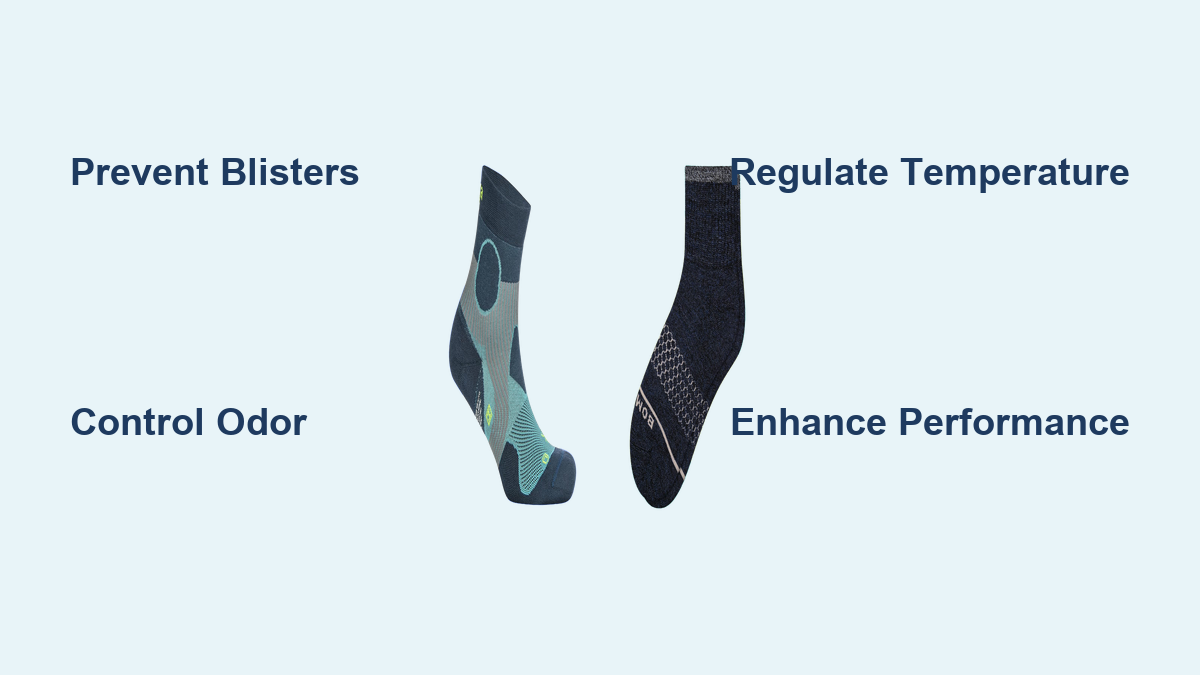
If you’ve ever finished a workout with squishy, sweat-soaked feet, raw skin, or painful blisters, the real culprit might not be your shoes—it’s likely your socks. Traditional cotton socks absorb sweat like a sponge and hold it against your skin, creating a breeding ground for discomfort, friction, and infection. In contrast, moisture-wicking socks are engineered for performance, actively pulling sweat away from your feet and allowing it to evaporate quickly. This keeps your feet dry, reduces friction, and helps regulate temperature—critical advantages for athletes pushing their limits. Whether you’re sprinting on the track, enduring a doubleheader, or summiting a mountain trail, switching to moisture-wicking socks can prevent injuries, enhance endurance, and transform your comfort. Let’s break down exactly why they outperform cotton and how they deliver real, measurable benefits across sports.
Blister Prevention Starts with Dry Feet
Blisters are one of the most common—and preventable—foot issues athletes face, and moisture is the primary trigger.
How Wet Skin Increases Blister Risk
When your feet sweat, the skin softens and becomes more vulnerable to friction. Cotton socks absorb this moisture and trap it next to your skin, turning every stride into a potential source of abrasion. Moisture-wicking socks use capillary action to move sweat from the inner layer of the fabric to the outer surface, where it can evaporate. This keeps the skin firm and reduces the shear forces that cause blisters. Studies show that damp skin increases friction by up to 50%, making it a major contributor to blister formation—especially during long runs or hikes.
Reduce Friction with Seamless Design and Targeted Cushioning
Many moisture-wicking socks feature seamless toe closures, eliminating pressure points that can lead to hot spots. Combined with a snug, anatomical fit, this design prevents internal shifting inside the shoe. Additional cushioning in high-impact zones—like the heel and ball of the foot—absorbs shock during repetitive motion. For runners and hikers, this means fewer stops, less pain, and longer performance without discomfort.
“When your feet are wet, the skin becomes softer and more prone to friction, leading to blisters.” — Article 2
Odor and Bacteria Stay Under Control

Sweaty feet aren’t just uncomfortable—they can become a microbial hotspot.
Stop Bacteria Before It Starts
The warm, damp environment inside a cotton sock is ideal for bacteria like Brevibacterium, the primary cause of foot odor. Because moisture-wicking materials keep feet dry, they create an inhospitable environment for microbial growth. Socks made with merino wool go a step further—its natural lanolin content gives it inherent antibacterial properties, reducing odor even after multiple wears. This is why many hikers and backpackers can wear merino socks for days without washing.
Long-Lasting Freshness for Multi-Day Use
Athletes in team sports or gym environments benefit from reduced embarrassment and better hygiene. Even after intense workouts, moisture-wicking socks stay fresher longer. This isn’t just about comfort—it’s about foot health. By minimizing bacterial and fungal growth, these socks lower the risk of conditions like athlete’s foot.
“Moisture-wicking socks help prevent the growth of odor-causing bacteria by keeping your feet dry.” — Article 2
Maintain Optimal Foot Temperature in Any Condition

Your feet need to stay cool in the heat and warm in the cold—cotton fails at both, but moisture-wicking socks adapt.
Stay Cool in the Heat
In hot conditions, sweat buildup leads to overheating. Moisture-wicking fabrics promote evaporative cooling, drawing heat away from the skin as moisture evaporates. This keeps feet comfortable during long runs, HIIT sessions, or summer games. Unlike cotton, which traps heat and moisture, performance socks allow airflow and regulate temperature dynamically.
Stay Warm in the Cold—Even When Wet
Cotton loses insulation when wet, increasing the risk of frostbite in cold weather. But merino wool retains up to 80% of its insulating ability when damp, making it ideal for winter sports or alpine hiking. Its fibers also absorb and release moisture to regulate temperature naturally, preventing both overheating and chilling.
“Merino wool regulates temperature naturally… keeping your feet warm and dry.” — Article 2
Boost Performance and Comfort
Dry feet aren’t just healthier—they’re faster, more stable, and less fatigued.
Improve Traction and Stability
When socks get soggy, feet slide inside shoes, reducing control and increasing energy waste. Moisture-wicking socks maintain a secure fit, enhancing grip and stability with every stride or cut. This is especially critical in sports like football or basketball, where explosive movements demand precision.
Reduce Fatigue with Compression and Support
Many performance socks include arch compression and graduated support that stabilizes muscles and improves circulation. This reduces muscle oscillation and delays fatigue during long events. For runners and hikers, this means stronger finishes and quicker recoveries. Lightweight, breathable designs also cut down on weight—every ounce counts when you’re pushing your limits.
“Dry, comfortable feet enhance your running experience… contributing to improved stride efficiency and reduced fatigue.” — Article 4
Built to Last: Durability That Pays Off

High-performance socks cost more upfront, but they save money and hassle over time.
Reinforced for High-Impact Use
Moisture-wicking socks often use nylon or polyester blends in high-wear areas like heels and toes. These fibers resist abrasion, stretching, and pilling far better than cotton. Brands like Darn Tough and Smartwool build socks to survive hundreds of washes without losing shape or function.
Long-Term Value Beats Cheap Alternatives
While a pack of cotton socks might cost $5, they wear out fast and need frequent replacement. Premium moisture-wicking socks ($15–$30 per pair) last years with proper care—and prevent costly side effects like blisters, infections, or lost training time.
“A few reliable pairs that hold up season after season often outperform a drawer full of worn-out alternatives.” — Article 3
Choose the Right Material for Your Sport
Not all moisture-wicking socks are the same. The best choice depends on your activity, climate, and personal needs.
Synthetic Fibers: Lightweight and Fast-Drying
- Polyester: Excellent wicking, quick-dry, ideal for high-sweat sports.
- Nylon: Adds durability and abrasion resistance.
- Spandex/Elastane: Provides stretch and snug fit without constriction.
- Best for: Gym workouts, running, team sports in warm weather.
“Synthetic fibers like polyester, nylon, and spandex are excellent at repelling moisture and drying quickly.” — Article 2
Merino Wool: Nature’s Performance Fiber
- Absorbs 30–35% of its weight in moisture before feeling wet.
- Naturally temperature-regulating and odor-resistant.
- Retains warmth even when soaked.
- Best for: Hiking, cold-weather sports, multi-day adventures.
“Merino Wool can absorb up to 35% of its own weight in water before feeling wet to the touch… and still insulates when soaked.” — Article 6
Bamboo Blends: Soft and Eco-Friendly
- Naturally antimicrobial and breathable.
- Often blended with synthetics for better durability.
- Ideal for sensitive skin or eco-conscious athletes.
Blends Offer the Best of Both Worlds
Most top-tier socks combine materials—like merino/nylon/spandex—to balance wicking, durability, and fit. For example, Darn Tough uses this blend to create socks that dry faster than 100% wool while maintaining softness and resilience.
Match Socks to Your Sport
The best moisture-wicking sock is the one designed for your specific activity.
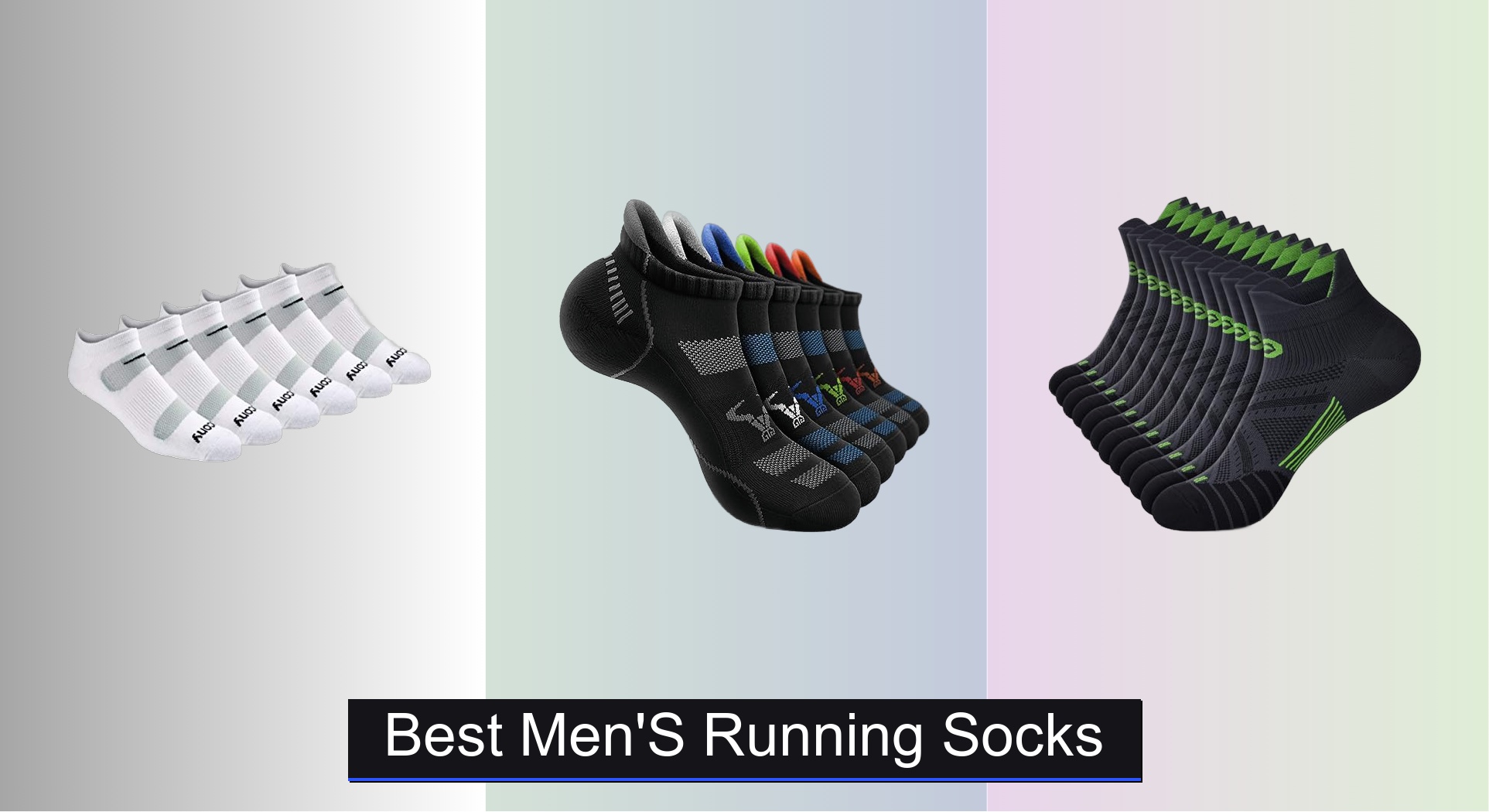
Running: Light, Seamless, Efficient
- Ultralight construction reduces bulk.
- Seamless toes prevent rubbing over long distances.
- No-show or ankle height to avoid chafing.
- Look for: Breathable mesh, cushioned soles, synthetic or merino blends.
“For runners, moisture-wicking socks are not a luxury—they’re a necessity.” — Article 4
Baseball & Softball: Supportive and Durable
- Knee-high designs with compression calves.
- Reinforced zones for sliding and sudden stops.
- Benefit: Prevents slippage in cleats and reduces fatigue over 9+ innings.
“Our knee high baseball socks are designed with targeted cushioning and moisture-wicking properties to prevent fatigue.” — Article 1
Football: Cushioned and Breathable
- Thick padding for cleat protection.
- Breathable knit to handle heavy sweating.
- Compression fit to prevent shifting.
- Benefit: Eliminates the “heavy foot” feeling and maintains speed.
“Football socks need to be thick enough to provide protection… but breathable enough to handle heavy sweating.” — Article 1
Hiking & Trekking: Tough and All-Weather
- Mid-calf or crew height for boot compatibility.
- Merino wool for temperature control.
- Mesh ventilation and reinforced heels.
- Ideal for: Long descents, variable weather, multi-day trips.
“Hiking demands socks that can handle varying terrains and weather conditions.” — Article 2
Fit, Height, and Design Matter
Even the best materials won’t help if the sock doesn’t fit right.
Get the Right Fit
- Snug but not tight: Too tight restricts circulation; too loose causes bunching.
- Follow size charts: Sizing varies by brand.
- Compression fit: Enhances blood flow and reduces muscle fatigue.
“Socks that are too tight can restrict circulation, while those that are too loose may not provide adequate moisture management.” — Article 2
Choose the Right Height
- Ankle/No-Show: Best for running, gym.
- Crew/Mid-Calf: Ideal for hiking, football.
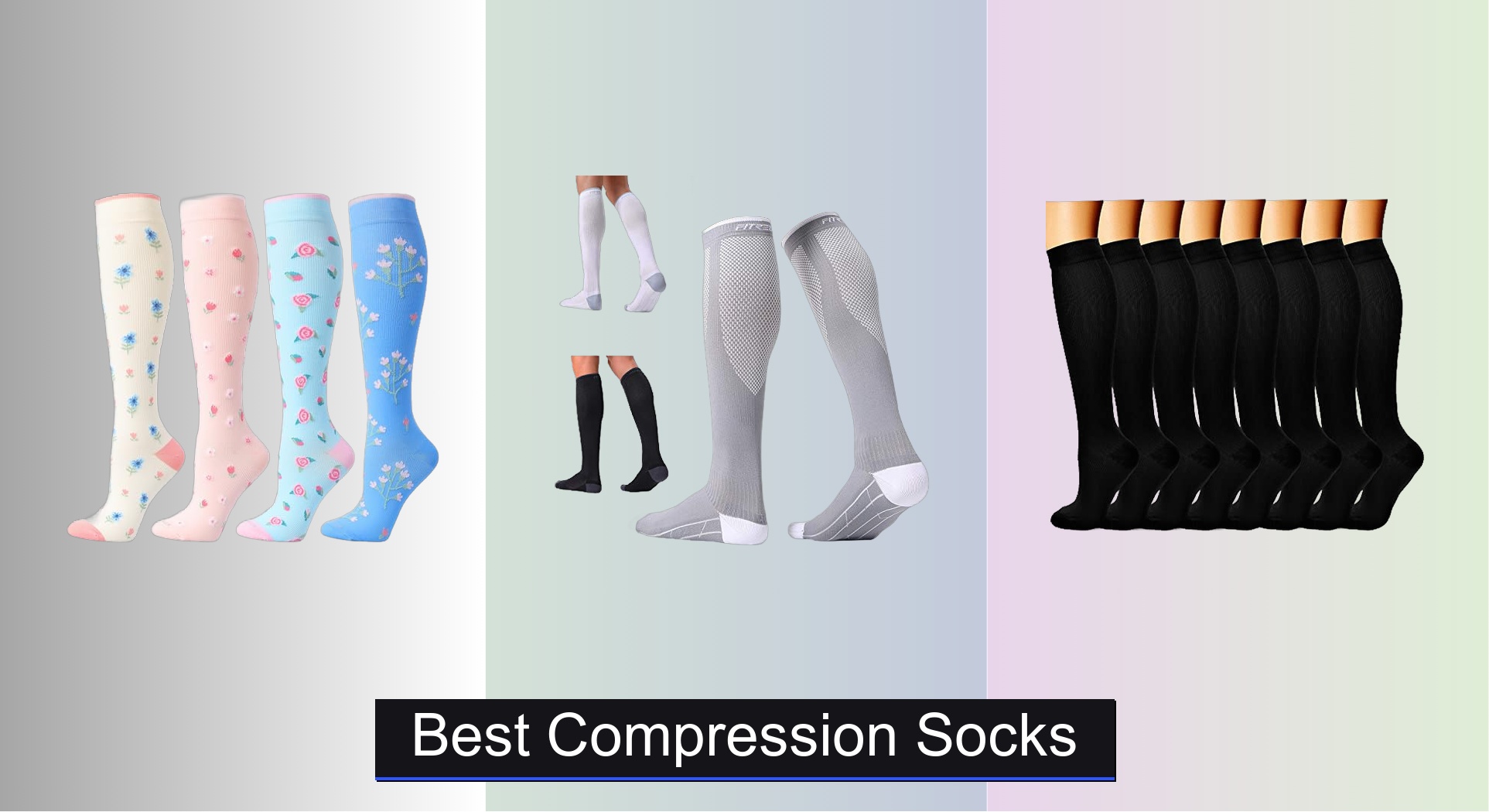
- Knee-High: Common in baseball, football; offers calf support.
Look for Performance Features
- Seamless toes: Prevent blisters.
- Targeted cushioning: Protects high-impact zones.
- Arch compression: Stabilizes the foot.
- Ventilation zones: Mesh panels for airflow.
“Quality moisture-wicking socks often include targeted cushioning, seamless construction, arch support, and reinforced heels and toes.” — Article 3
Care for Long-Lasting Performance
Moisture-wicking socks can last for years—if you care for them properly.
Wash and Dry the Right Way
- Wash in cold water: Prevents fiber damage.
- Air dry only: Heat degrades elastane and wicking properties.
- Avoid fabric softeners: They coat fibers and block moisture transport.
“Fabric softeners can leave a residue on the fibers, reducing their moisture-wicking capabilities.” — Article 2
Rotate and Replace
- Rotate pairs: Lets fibers recover between uses.
- Replace when worn: Look for thinning, pilling, or loss of elasticity.
Moisture-wicking socks are a foundational upgrade for any athlete. They prevent blisters, control odor, regulate temperature, and enhance performance—all while lasting longer than cotton. By choosing the right material, fit, and design for your sport, you’re not just protecting your feet—you’re optimizing your entire athletic experience. Skip the soggy cotton and step into performance that starts from the ground up.