If your foot slips inside your shoe during a sprint or you feel your ankle wobble when making a sudden cut on the court, you’re not just losing speed—you’re risking injury. The root of the problem often lies in heel stability, a crucial yet frequently underestimated feature in sports footwear. More than just comfort, heel stability ensures your foot stays securely aligned with your leg during dynamic movements like running, jumping, and pivoting.
Without proper rearfoot support, uncontrolled motion—such as excessive inward rolling (pronation) or outward rolling (supination)—can trigger a chain reaction up your body, leading to knee pain, plantar fasciitis, or even ankle sprains. Research shows that poor heel control contributes to over 60% of common overuse injuries in athletes. Whether you’re a weekend warrior or training daily, the stability of your heel directly impacts performance, safety, and long-term joint health.
This guide breaks down why heel stability is non-negotiable in sports shoes. You’ll learn how it prevents injury, boosts athletic efficiency, and supports balance—especially under pressure. We’ll explore the key design features that lock your heel in place, how orthotics like SelectFlex enhance stability by up to 50%, and who benefits most from optimized rearfoot support. By the end, you’ll know exactly what to look for in your next pair of athletic shoes.
How Heel Stability Works Biomechanically

Your heel isn’t just a landing pad—it’s the foundation of your entire lower-body movement system. During running, the calcaneus (heel bone) absorbs forces up to 3 times your body weight at initial contact. If the shoe fails to stabilize this impact, uncontrolled rearfoot motion disrupts alignment from the ankle all the way to the spine.
Controls Rearfoot Motion During Impact
A stable heel limits excessive eversion (inward roll) and inversion (outward roll), keeping the foot aligned through gait. Unchecked pronation leads to internal tibia rotation, increasing stress on the knee and hip joints. Shoes with firm heel counters and deep cups reduce rearfoot movement by up to 6 degrees, significantly lowering strain on soft tissues.
Distributes Force Evenly Across the Foot
Stable heels spread impact forces across the plantar surface, reducing peak pressure under the heel by 20–30%. This is crucial for runners logging miles or athletes making repeated jumps. Poor distribution concentrates force, accelerating tissue fatigue and raising the risk of stress fractures or fat pad atrophy.
Maintains Kinetic Chain Alignment
When your heel shifts unpredictably, your body compensates—often without you realizing it. These micro-adjustments lead to inefficient movement patterns and increased muscle activation just to maintain balance. Proper heel stability preserves neutral alignment, reducing rotational stress on the Achilles tendon and minimizing valgus knee loading linked to patellofemoral pain.
Injury Prevention Through Heel Support
Stable heels don’t just feel secure—they actively protect your body from common athletic injuries caused by repetitive strain and misalignment.
Prevents Plantar Fasciitis and Heel Spurs
Excessive pronation pulls the plantar fascia taut with every step, leading to microtears and inflammation. A rigid heel counter paired with a deep heel cup reduces this strain by stabilizing the calcaneus. Studies show that shoes with structured rearfoot support decrease plantar fascia tension by up to 40%, directly lowering the risk of chronic heel pain and bony heel spurs.
Reduces Achilles Tendinopathy Risk
Poor rearfoot control allows the heel to drift excessively during push-off, overloading the Achilles tendon. This constant stretching and compression can lead to tendinopathy. Heel-stable shoes minimize dorsiflexion and eversion, reducing tendon strain. Athletes wearing supportive footwear report fewer Achilles complaints and faster recovery after intense training.
Lowers Ankle Sprain Incidence
Lateral ankle sprains often occur during sudden cuts or landings when the foot rolls inward. While high-tops offer some protection, heel stability is the true anchor. A shoe that locks the calcaneus in place prevents internal slippage, reducing ankle instability. Motion capture studies confirm that athletes in well-stabilized shoes experience less ankle wobble and improved proprioception during rapid directional changes.
Guards Against Stress Fractures
Repetitive impact without adequate shock absorption and stabilization increases bone stress. The calcaneus and metatarsals are particularly vulnerable. Stable heels with dual-density midsoles and cushioned cups dissipate energy more effectively, reducing peak loading rates. Runners using such shoes show lower bone marrow edema markers, indicating reduced fracture risk.
Boosts Athletic Performance
Beyond safety, heel stability enhances how efficiently and powerfully you move—giving you an edge in speed, control, and endurance.
Increases Energy Transfer Efficiency
Every time your heel slips inside the shoe, energy is lost. Instead of propelling forward, muscles work harder to stabilize the ankle. Stable heels eliminate this “dead zone,” ensuring more force translates directly into motion. Runners report improved stride consistency and faster transition times through the gait cycle when heel movement is minimized.
Enhances Balance During Dynamic Moves
On the basketball court or soccer field, sudden cuts and landings demand precise control. A wide heel base and firm counter improve mediolateral stability, allowing quicker reactions without fear of rolling an ankle. Tennis players wearing shoes with flared heels and torsional rigidity demonstrate better single-leg balance and increased confidence during lateral bursts.
Improves Proprioception and Confidence
When your foot feels secure, your brain trusts your movements. This psychological boost translates into more aggressive play and faster decision-making. Athletes consistently rank heel fit as one of the top three factors in performance satisfaction—right behind cushioning and overall comfort.
Key Shoe Features That Stabilize the Heel

Not all sports shoes offer the same level of rearfoot control. Look for these design elements to ensure maximum stability.
Rigid Heel Counter
The heel counter is a firm structure embedded in the back of the shoe’s upper. Made from thermoplastic, molded EVA, or carbon fiber, it cups the calcaneus and resists deformation.
- Deep heel counters (over 15mm) provide superior alignment
- Taller counters extend higher around the ankle for greater control
- External heel cages add structural reinforcement
Press your thumb into the back of the shoe—if it gives too easily, stability may be insufficient.
Contoured Heel Cup
A deep, anatomically shaped depression in the midsole or insole cradles the heel and restricts side-to-side motion.
- Tear-drop shaped cups (like SelectFlex Orthotics) match natural heel anatomy
- Soft elastomer materials absorb impact while maintaining shape
- ≥15mm depth improves rearfoot alignment and reduces slippage
This feature alone can increase ankle stability by 50%, according to biomechanical testing.
Dual-Density Midsole
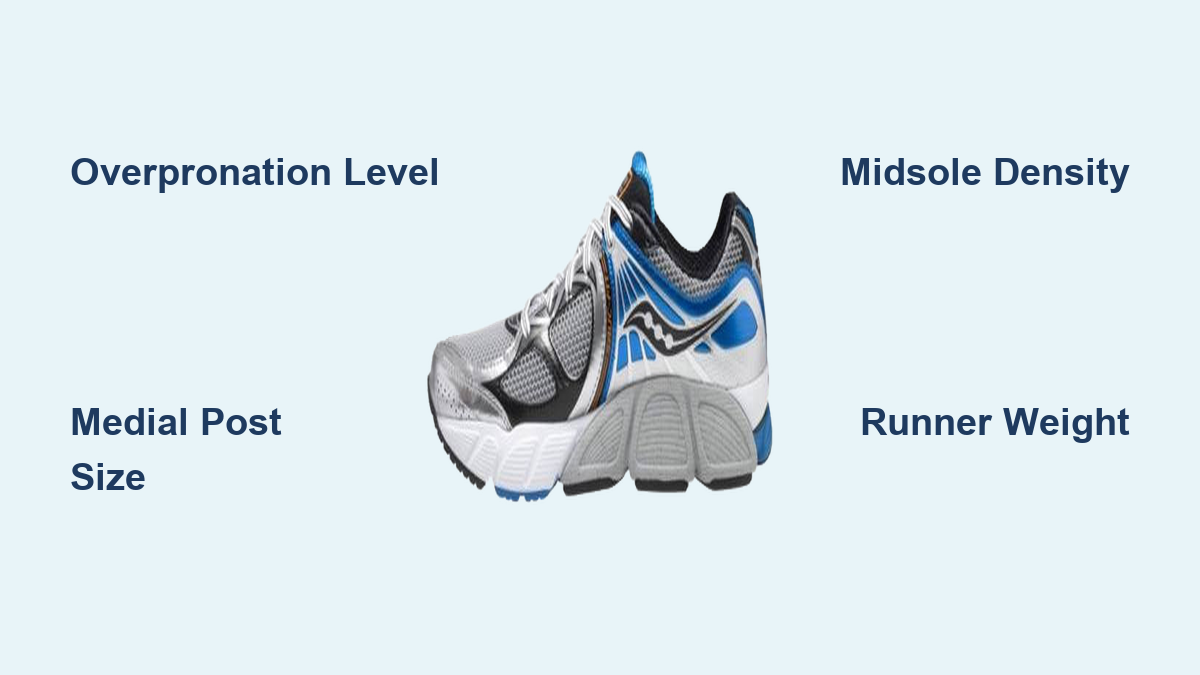
Firmer foam on the medial (inner) side of the midsole counters overpronation.
- Medial post resists inward collapse during midstance
- Flared heel geometry widens the base of support
- Torsionally rigid midfoot prevents twisting under load
These designs are common in motion-control running shoes but increasingly found in court and trail models.
Secure Upper Fit Systems
Even the best heel counter fails if the upper doesn’t lock the foot in place.
- Heel collars with padding prevent Achilles irritation
- Internal booties or seamless overlays reduce friction and slippage
- Extended lacing systems pull the heel back into the cup
Try walking in the shoe—if you feel heel lift or rubbing, the fit isn’t stable enough.
How Orthotics Enhance Heel Stability

Most off-the-shelf sports shoes lack sufficient intrinsic support for people with flat feet, overpronation, or chronic heel pain. Aftermarket insoles bridge this gap.
SelectFlex Orthotics: 50% More Ankle Stability
Designed specifically for high-impact activity, SelectFlex Orthotics use a tear-drop shaped heel cup and soft elastomer material to deliver both cushioning and structure.
- Anatomical fit reduces internal heel movement
- Shock absorption surpasses standard insoles
- Extended heel lock wraps around the posterior calcaneus
Users report less fatigue, reduced pain, and better balance during prolonged use—especially beneficial for runners and older adults.
Other Effective Orthotic Features
- Rearfoot posting: Medial or lateral wedges correct alignment
- Gel or PORON® inserts: Dissipate impact forces
- Removable design: Allows customization with custom orthotics
Studies show deep-cup orthotics reduce rearfoot eversion by 4–6 degrees during running, significantly lowering injury risk.
Who Needs Maximum Heel Stability?

Certain groups benefit more than others from enhanced rearfoot support—either for performance, safety, or rehabilitation.
Runners
Long-distance runners face thousands of impacts per mile. Without heel stability, micro-movements accumulate into blisters, tendinopathy, or stress fractures.
- Overpronators need motion-control shoes with medial support
- Heel strikers benefit from rearfoot GEL® or air units (e.g., ASICS, Brooks)
- Ultra-marathoners rely on durable heel counters that last 500+ miles
Replace running shoes every 300–500 miles to maintain effective stabilization.
Court and Field Athletes
Basketball, tennis, and soccer involve rapid cuts, jumps, and landings—all demanding precise rearfoot control.
- Lateral cuts generate high shear forces; flared heels resist tipping
- Jump landings require shock-absorbing heel cups
- Rotational moves demand torsional rigidity anchored at the heel
Look for shoes with wide outsoles and rigid shanks for maximum stability.
Older Adults
Age-related decline in proprioception and muscle strength increases fall risk.
- Wide heel bases improve balance on uneven surfaces
- Firm heel counters reduce mediolateral sway
- Low heel-to-toe drop (≤8mm) lowers center of gravity
Supportive athletic shoes can reduce fall incidence by up to 30% in active seniors.
People With Foot Conditions
Chronic issues like plantar fasciitis, flat feet, or heel spurs require structured support.
- Deep heel cups redistribute pressure away from painful areas
- Shock-absorbing materials reduce impact transmission
- Custom orthotics correct biomechanical imbalances
Combining proper footwear with SelectFlex or similar orthotics often eliminates the need for invasive treatments.
Post-Injury Rehab Patients
After an ankle sprain, Achilles rupture, or fracture, the body needs maximum rearfoot control during recovery.
- Rigid heel counters prevent re-injury during early mobilization
- Removable insoles accommodate bulky orthotics or swelling
- Stable platforms support safe weight transfer
Physical therapists frequently recommend shoes with motion control features during rehabilitation.
Testing and Evaluating Heel Stability
You don’t need a lab to assess heel stability—but knowing what to look for helps.
Check for Heel Slippage
Walk or jog in the shoe and pay attention to heel movement.
- Ideal slippage: Less than 5mm
- Warning signs: Blisters, calluses, or “ankle wobble”
- Fix: Try different lacing techniques or add a heel lock lace
If your heel lifts noticeably, the counter or cup is too shallow.
Use Pressure Mapping Feedback
Specialty stores often offer gait analysis with pressure plates.
- Reveals abnormal loading patterns
- Identifies excessive medial/lateral pressure
- Confirms whether orthotics improve stability
This data-driven approach ensures you’re not guessing about fit.
Look at Wear Patterns
Inspect the outsole after several weeks of use.
- Lateral heel wear: Common in supinators; may indicate poor shock absorption
- Medial wear: Sign of overpronation; suggests inadequate midsole support
- Uneven compression: Midsole breakdown reduces stability over time
Replace shoes when wear exceeds 50% of midsole thickness.
Best Practices for Long-Term Heel Support
Heel stability isn’t a one-time purchase—it requires ongoing maintenance.
Replace Insoles Every 6–12 Months
Aftermarket insoles lose elasticity and support over time.
- Signs of wear: Flattened arch, hardening material, reduced cushioning
- Cost-effective fix: Replace insoles before buying new shoes
- Price range: $30–$70 for premium options like PowerStep or Superfeet
Doing so restores ankle stability and extends shoe life.
Monitor Shoe Mileage
Runners should track usage to avoid performance decline.
- Replace at 300–500 miles
- Rotate shoes to allow midsole recovery
- Store properly away from heat and moisture
Worn midsoles compress unevenly, compromising heel alignment.
Use Warranty and Fit Services
Many brands offer 30–90 day comfort guarantees.
- Return or exchange if heel slippage persists
- Get free gait analysis at specialty retailers
- Test multiple models with different heel designs
Don’t settle for “good enough”—your performance and health depend on a secure fit.
Final Note: Heel stability is not a luxury—it’s a biomechanical necessity. From preventing plantar fasciitis to enhancing sprint efficiency, a stable heel forms the foundation of safe, powerful movement. Whether through advanced shoe design or supportive orthotics like SelectFlex, prioritizing rearfoot control pays off in performance, comfort, and long-term joint health. Choose wisely, maintain diligently, and move with confidence.