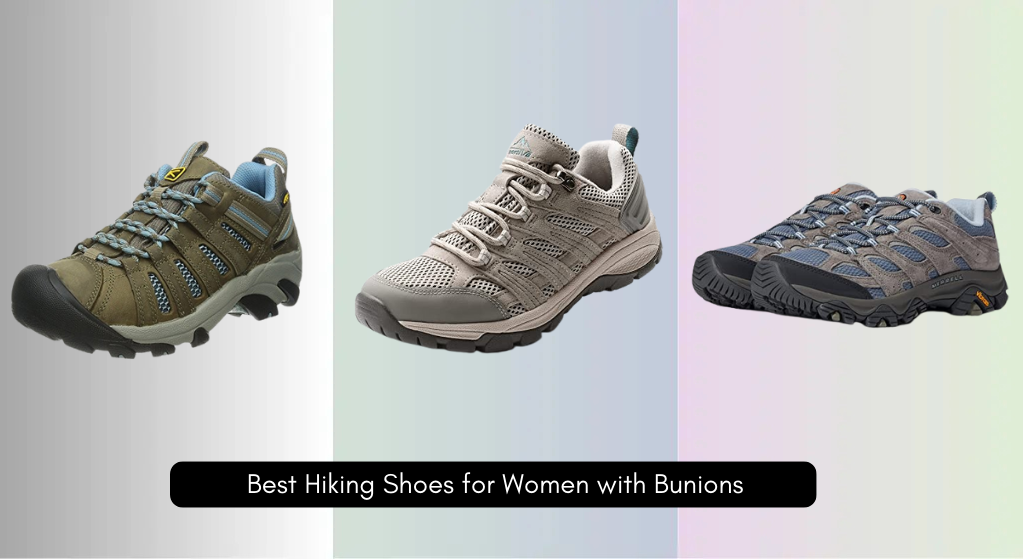
If your feet could speak, they’d thank the centuries of innovation behind every supportive step. The history of orthopedic shoes development is a remarkable journey—from ancient sandals shaped by necessity to AI-powered smart insoles designed with precision. What began as crude leather wraps in Egypt over 4,000 years ago has evolved into medical-grade, 3D-printed footwear that adapts to your gait in real time. This isn’t just a story of footwear—it’s the evolution of human mobility, driven by war, disease, scientific breakthroughs, and an enduring desire to walk without pain.
For millennia, people have sought ways to correct deformities, relieve discomfort, and restore movement. Early humans needed protection on rocky terrain. Later, physicians recognized that foot alignment affected overall health. Wars and polio epidemics accelerated demand, transforming orthopedic shoes from rare medical curiosities into essential, life-changing tools. Today, digital scanning, wearable sensors, and sustainable materials are redefining what supportive footwear can do. This is more than a timeline—it’s the story of how we learned to walk better, one innovation at a time.
Egyptian Footwear Innovations
By 2400 BCE, the Egyptians were already crafting supportive sandals from leather and plant fibers, as seen in tomb carvings and archaeological finds. These weren’t merely protective—they served functional purposes, such as reducing strain during long hours of standing or labor. Some designs featured elevated soles, suggesting early attempts to correct posture or gait imbalances.
Hieroglyphics depict individuals with bound feet, indicating awareness of foot alignment issues. While not orthopedic in the modern sense, these practices reveal an instinctive understanding of biomechanics—using external support to improve movement. The Egyptians may not have had X-rays or gait analysis, but their observations laid the groundwork for future innovations in foot care.
Greek and Roman Contributions
The Greeks and Romans advanced foot health with structured footwear and rudimentary prosthetics. Roman soldiers wore caligae—durable military boots with raised soles that provided arch-like support, reducing fatigue during long marches. Archaeological evidence shows wooden-soled shoes used to stabilize injured or deformed feet, functioning as early orthotic devices.
Greek physicians like Hippocrates described methods for correcting foot abnormalities, emphasizing balance and posture. Their medical writings preserved the idea that foot health impacts overall body function—a principle still central to modern orthopedics. These classical civilizations helped shift footwear from mere protection to purposeful design, influencing European medical thought for centuries.
Wooden Braces and Leather Supports in the Middle Ages
During the Middle Ages, orthopedic footwear transitioned from military utility to medical necessity. Shoemakers began crafting custom-fitted leather shoes and wooden braces for individuals with visible deformities such as clubfoot or paralysis. Though primitive, these devices marked a pivotal shift: shoes were no longer just for protection—they became tools for rehabilitation.
Monastic records mention “straightening boots” used on children with bowed legs or twisted feet, representing some of the earliest attempts at preventive orthopedics. Materials were limited, but the intent was clear: restore function through structure. Crude wooden prosthetics also emerged, often fitted with leather straps and basic foot-shaped bases, allowing mobility for war veterans and accident survivors. These innovations signaled the birth of biomechanical engineering—using form to restore function.
Ambroise Paré’s Medical Breakthroughs

The Renaissance reignited scientific inquiry, turning orthopedic footwear from artisan craft into medical discipline. French surgeon Ambroise Paré (1510–1590), royal surgeon to four French kings, revolutionized battlefield medicine and orthotic design. He introduced humane treatments for amputees and invented the hemostatic clamp, drastically reducing deaths during surgery.
Paré also created one of the first clubfoot correction devices, using adjustable metal frames and straps to gradually reshape the foot. His windlass mechanism applied slow, continuous force to realign misaligned limbs—proving mechanical intervention could reshape bone and tissue. These innovations laid the foundation for modern orthotics, demonstrating that deformities could be corrected non-surgically.
Nicolas Andry Coins “Orthopedics”

In 1741, French physician Nicolas Andry published ORTHOPEDIE, a book that gave the field its name. The term combines Greek orthos (straight) and paidion (child), meaning “to straighten the child.” The book’s iconic cover—a crooked sapling tied to a straight stake—became orthopedics’ enduring symbol.
Andry focused on preventing childhood deformities like rickets, advocating early intervention through posture correction, exercise, and supportive devices. His work emphasized prevention over cure, a philosophy still central to pediatric orthopedics today.
Jean-André Venel’s Orthopedic Clinic
Swiss doctor Jean-André Venel founded the world’s first orthopedic clinic in 1780 in Orbe, Switzerland. It specialized in treating children with spinal curvature, clubfoot, and joint deformities. His clinic offered:
– Custom braces and footwear
– Physical therapy
– Preventive care
Venel also established the first orthotic production facility, standardizing designs and enabling wider access. This marked the shift from individual craftsmanship to systematic medical treatment—transforming orthopedics into a structured discipline.
Mechanized Shoe Manufacturing
The Industrial Revolution brought mass production, making orthopedic footwear more accessible. In the early 1800s, shoe factories began producing standardized sizes—critical for consistent fitting. For the first time, people could buy shoes with predictable widths and lengths, enabling basic orthopedic models to reach more users.
Factories started producing arch supports and heel cups, precursors to modern insoles. While not custom, these off-the-shelf solutions offered relief for common foot issues, marking the beginning of commercial orthopedic footwear.
Vulcanized Rubber and Shock Absorption
In 1839, Charles Goodyear invented vulcanized rubber, which transformed footwear. By the late 1800s, rubber-soled shoes offered:
– Better grip
– Improved shock absorption
– Greater durability
This made orthopedic shoes more practical for daily use, especially for those with joint pain or balance issues. The cushioning effect reduced impact on knees and hips, enhancing comfort and mobility.
Plaster Casting for Precision
Dutch surgeon Antonius Mathijsen introduced plaster of Paris bandages in 1851 for immobilizing fractures. This technique was later adapted to create custom foot molds for orthotics. Podiatrists could now replicate foot shape accurately, leading to better-fitting, more effective supports. Plaster casting remained the gold standard for decades.
Hugh Owen Thomas: Father of British Orthopedics
Welsh surgeon Hugh Owen Thomas (1834–1891) transformed orthopedic care with life-saving inventions:
– Thomas splint: Stabilized femur fractures, cutting mortality from 87% to 8% in WWI.
– Thomas collar: Supported neck injuries.
– Thomas test: Diagnosed hip deformities.
His advocacy for prolonged immobilization influenced both surgical recovery and orthotic design—emphasizing rest and alignment for healing.
Robert Jones and WWI Impact
Thomas’s nephew, Sir Robert Jones, applied the Thomas splint during World War I, proving its life-saving potential. The war created massive demand for prosthetics and lower-limb orthoses, accelerating innovation. Military hospitals began issuing custom-fitted braces and supportive boots, recognizing mobility as key to rehabilitation. This wartime need laid the foundation for modern orthotic clinics.
Polio Epidemic and Medical Patents

The 20th-century polio outbreaks caused widespread paralysis, especially in children. The 1952 U.S. epidemic affected 21,000 people, many requiring long-term mobility aids.
Steel and Leather Orthoses
Leather and steel braces became standard for polio survivors. These heavy but effective devices:
– Supported weakened legs
– Prevented joint collapse
– Enabled walking with crutches
Worn daily, they were among the first widely adopted orthopedic footwear solutions.
First Orthopedic Patents
The polio crisis spurred the first medical patents for orthotic devices, formalizing orthotics as a medical field. Inventors documented designs for ankle-foot orthoses (AFOs) and shoe modifications, paving the way for insurance coverage and clinical integration.
Plastics Revolutionize Orthotics
From the 1930s to 1970s, new materials transformed orthopedic shoes:
– Plastics replaced heavier wood and metal.
– Thermoplastics (1950s) allowed heat-molding to individual feet.
– Computer-aided design (CAD, 1970s) improved precision.
These advances reduced weight and increased comfort, making orthopedic shoes more wearable.
From Medical to Mainstream
By the 1970s and 1980s, orthopedic shoes shed their “medical” stigma. Brands began offering models in:
– Sneakers
– Sandals
– Dress shoes
Available in colors and styles, these shoes let users express themselves. Designers integrated cushioned insoles, breathable fabrics, and slip-resistant soles, appealing to athletes, diabetics, and older adults alike.
3D Scanning and Printing
Today, 3D foot scanners capture exact geometry in seconds. CAD/CAM systems design orthotics based on gait and pressure maps. 3D printing produces lightweight, complex structures impossible with traditional methods. Patients now receive custom orthotics in days, not weeks.
AI and Gait Analysis
Machine learning analyzes walking patterns to:
– Detect imbalances
– Predict injury risk
– Optimize orthotic design
AI-driven platforms recommend real-time adjustments, turning static devices into dynamic health tools.
Smart Insoles and Wearable Tech
Modern orthotics monitor and adapt:
– Embedded sensors track pressure, step count, posture, and foot temperature.
– Data syncs to mobile apps, alerting users to ulcers or instability.
– Telemedicine enables remote consultations and adjustments—especially valuable for elderly or rural users.
Modern Applications by Condition
Orthopedic footwear now targets specific needs:
– Diabetic shoes: Seamless interiors, extra depth, pressure-relieving insoles.
– Plantar fasciitis: Heel cushioning, arch support.
– Rheumatoid arthritis: Wide toe boxes, Velcro closures, lightweight materials.
Future Trends: Bionics and Sustainability
The future includes:
– Bionic integration with neural pathways
– Self-adapting materials that respond to movement
– Eco-friendly designs using recycled foams and biodegradable polymers
– Holistic preventive care integrating therapy, nutrition, and ergonomics
The history of orthopedic shoes development reflects humanity’s enduring quest to move freely and without pain. From ancient sandals to AI-powered insoles, each innovation has built on the last—driven by war, disease, and compassion. Today’s orthopedic footwear is more personalized, stylish, and intelligent than ever. As digital health, biotechnology, and sustainability converge, the future promises not just better shoes, but better lives—one step at a time.