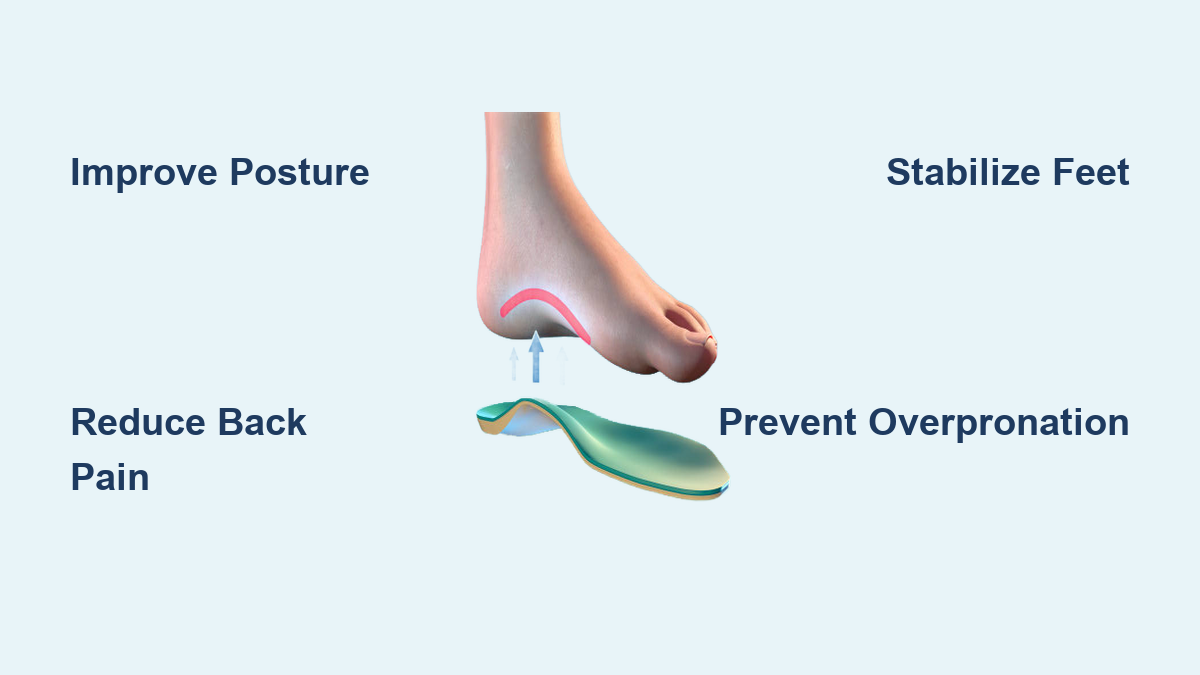
If you’ve ever ended a long day with nagging lower back pain, the source might not be your spine—it could start in your feet. Arch support is important for back health because your feet are the foundation of your entire body. When the arches in your feet weaken or collapse, it triggers a chain reaction that travels up through your legs, hips, and spine, leading to poor posture, muscle fatigue, and chronic low back pain. This biomechanical domino effect impacts millions, especially those who stand or walk for hours each day.
Scientific research confirms that proper arch support can reduce low back pain by 1.5 points on a 10-point scale—a clinically meaningful improvement. In a landmark study of postal workers, 81% preferred real, computer-fitted insoles over placebo versions, reporting less fatigue and greater comfort. The evidence is clear: arch support isn’t just about foot comfort. It’s a critical factor in maintaining spinal alignment, reducing strain on back muscles, and preventing long-term musculoskeletal issues. In this guide, you’ll learn exactly how your foot arches affect your back, what happens when they fail, and how the right support can restore balance, reduce pain, and improve movement efficiency.
How Foot Arches Influence Spinal Alignment

Your feet are far more than passive platforms—they’re dynamic structures designed to absorb shock, stabilize motion, and propel you forward efficiently. The three key arches—medial longitudinal, lateral longitudinal, and transverse—work together to distribute weight and maintain balance with every step. When functioning correctly, they activate the Windlass Mechanism, tightening the plantar fascia during push-off to turn the foot into a rigid lever for effective walking.
But when arches collapse—often due to overpronation—the alignment of your entire body shifts. The chain reaction begins in the feet and escalates upward:
- Tibia rotates inward
- Knees move inward (knee valgus)
- Pelvis tilts forward (anterior pelvic tilt)
- Lumbar spine develops excessive curvature (hyperlordosis)
These postural changes force your back muscles to overcompensate to keep you upright, increasing stress on spinal discs, facet joints, and the thoracolumbar fascia—a crucial connective tissue linking your lower body to your spine.
Signs You’re Losing Arch Support
Watch for these warning signs:
– Flat feet or ankles that roll inward
– Shoes wearing down on the inner edge
– Lower back pain after walking or standing
– Knee or hip discomfort without injury
– A sense of imbalance or instability
Ignoring these signals can lead to chronic postural dysfunction and recurring back pain.
The Kinetic Chain: How One Misalignment Affects Everything
Your body operates like a connected chain. A misalignment at the foot alters forces all the way up to the spine. For example, overpronation increases rotational stress on the tibia, which transfers to the femur and pelvis. An uneven pelvis forces the lumbar spine to compensate, often resulting in asymmetric disc loading and muscle imbalances.
Restoring foot alignment with proper arch support helps reset this chain, promoting neutral posture and reducing abnormal spinal forces.
Arch Collapse and Its Impact on Back Pain
When arches lose their structure, the consequences extend far beyond foot discomfort—your back bears the brunt. Flat feet or weakened arches fail to absorb shock effectively, sending jarring forces straight up into the spine. This repetitive impact contributes to chronic low back pain, especially in people who walk or stand for long periods.
How Overpronation Triggers Back Strain
Overpronation—when the foot rolls too far inward—disrupts natural gait mechanics. As the medial arch drops:
– The tibia internally rotates
– The femur follows, pulling the pelvis out of alignment
– The lumbar spine exaggerates its curve to maintain balance
This excessive lumbar lordosis increases pressure on spinal discs and facet joints, raising the risk of degeneration and pain.
Thoracolumbar Fascia Under Stress
The thoracolumbar fascia (TLF) connects deep back muscles to the pelvis and legs and plays a vital role in force transmission. When foot mechanics are faulty, abnormal loads disrupt TLF tensioning, leading to:
– Compensatory muscle tightness
– Spasms in the erector spinae and quadratus lumborum
– Reduced spinal stability
Proper arch support helps normalize these forces, reducing strain on the TLF and improving core stability.
Scientific Proof: Arch Supports Reduce Back Pain

A high-quality study on postal workers—people who walk miles daily—provides strong evidence that arch support directly reduces low back pain.
Study Highlights: Real Insoles vs. Placebo
- 58 workers with baseline low back pain wore either real or placebo insoles for 5 weeks each (crossover design)
- Both insoles looked identical; neither participants nor doctors knew which was which
- Real insoles were computer-fitted (FSAP) to match individual foot mechanics
- Placebo insoles used the same soft material (Sorbothane) but lacked structural support
Results Showed Clear Benefits
| Outcome | True Insoles | Placebo |
|---|---|---|
| Pain intensity drop | −1.49 points | −0.31 points |
| Clinically significant relief | Yes (p = 0.0001) | No |
| Preference rate | 81% chose real insoles | 19% |
| Severe pain dropped from 77% to | 37.9% | 50% |
A 1.5-point pain reduction exceeds the threshold for clinical significance. The 79% attributable benefit confirms the effect wasn’t just placebo—it was biomechanical correction.
Why This Study Matters
This was a double-blind, prospective trial—the gold standard in research. It proves that personalized arch supports provide measurable, real-world relief for people exposed to repetitive walking. And the benefits appeared in just five weeks.
No link was found between improvement and age, BMI, or gender—meaning the effect came from better foot mechanics, not other factors.
How Arch Support Protects Your Back
Arch supports don’t just cushion your feet—they actively protect your spine through four key mechanisms.
1. Shock Absorption During Walking
Each step generates ground reaction forces of 1–1.5 times body weight. Running increases this to 3–4 times. Without arch support, those shocks travel unchecked up the kinetic chain.
Supportive insoles made from viscoelastic materials like Sorbothane reduce peak pressure at heel strike by 30–50%, significantly lowering spinal loading.
EMG studies show reduced muscle fatigue in the lower back when wearing proper insoles—proof that less compensatory work is needed.
2. Restoring Neutral Posture
Good arch support keeps your feet in neutral alignment, preventing overpronation. This promotes:
– Stable ankles and knees
– Level pelvis
– Balanced lumbar curve
– Improved shoulder and head position
As a result, your spine maintains its natural S-curve, minimizing uneven disc compression and joint stress.
3. Reducing Muscle Fatigue
Weak arches force small foot muscles and stabilizers like the tibialis posterior to overwork. When they fatigue, larger muscles—including those in the lower back—step in to stabilize your body.
This leads to:
– Early leg and back tiredness
– Altered gait patterns
– Increased risk of strain
Arch supports reduce this overload, conserving energy and improving endurance during long days on your feet.
4. Optimizing Thoracolumbar Fascia Function
The thoracolumbar fascia acts like a tension web connecting your legs to your spine. Proper foot mechanics ensure smooth force transmission across this system.
When arches collapse, abnormal forces disrupt TLF function, triggering muscle spasms and instability. Supported arches restore normal tension, enhancing spinal control and reducing pain.
Who Needs Arch Support the Most?
Not everyone needs custom orthotics—but certain groups benefit significantly from proper arch support.
High-Risk Groups for Back Pain
Workers Who Stand or Walk All Day
- Nurses, postal carriers, retail staff, security guards
- Constant weight-bearing increases spinal loading
- Arch support reduces fatigue and back strain
People with Flat Feet or Overpronation
- Naturally low or collapsed arches
- Prone to knee, hip, and back pain
- Benefit greatly from medial arch reinforcement
Individuals with Unexplained Low Back Pain
- Pain persists despite treatment
- Often linked to undiagnosed foot mechanics
- A foot assessment can reveal hidden causes
Athletes and Runners
- High-impact activity amplifies poor mechanics
- Proper insoles enhance performance and prevent injury
Overweight or Obese Individuals
- Extra body weight increases mechanical stress
- Arch support helps distribute load and protect joints
If you fall into any of these categories, evaluating your footwear and foot alignment should be part of your back health plan.
Choosing the Right Arch Support

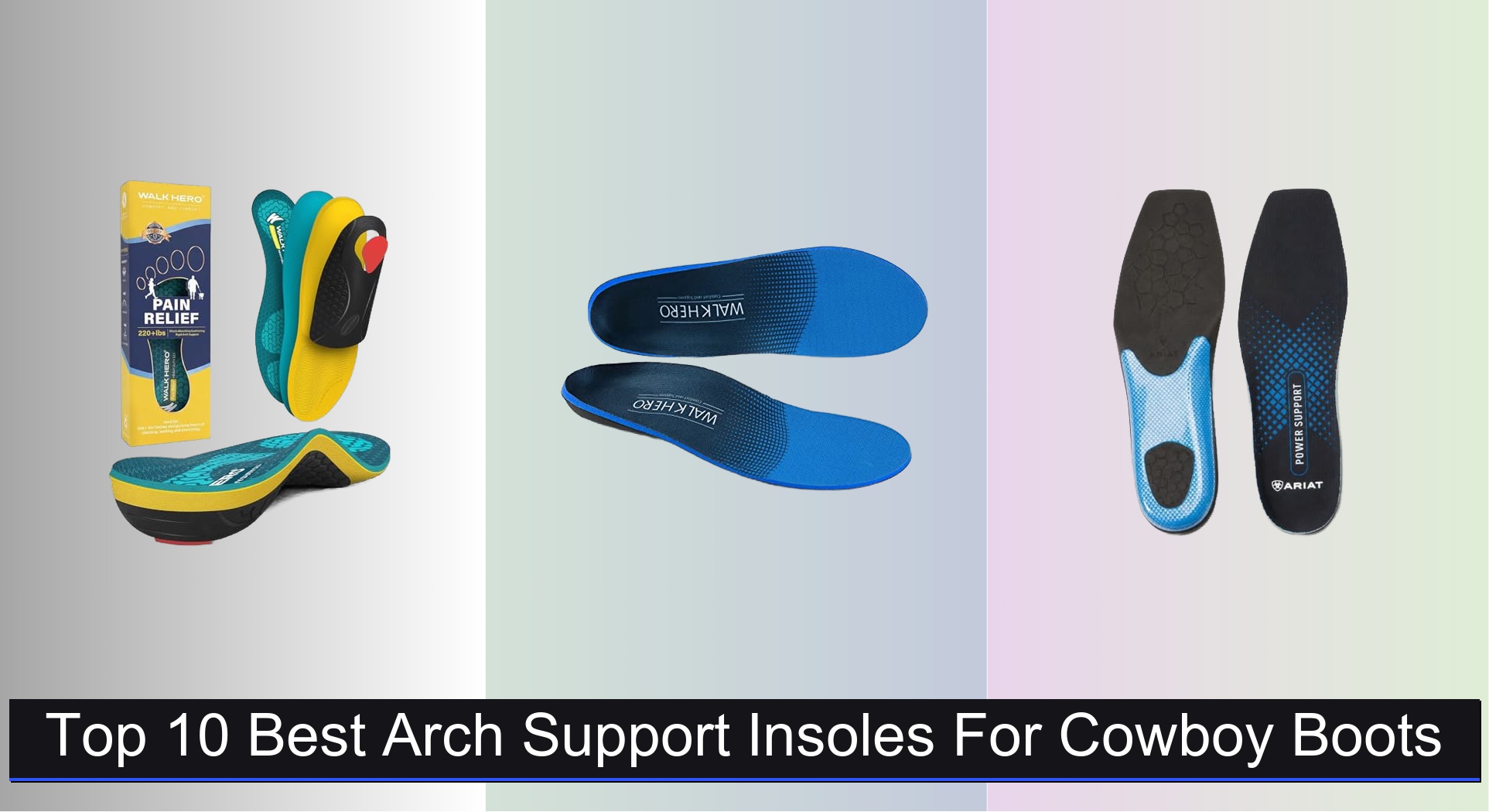
Not all insoles are created equal. To get real back health benefits, choose supports that match your biomechanics and lifestyle.
Types of Arch Support Options
| Type | Best For | Effectiveness |
|---|---|---|
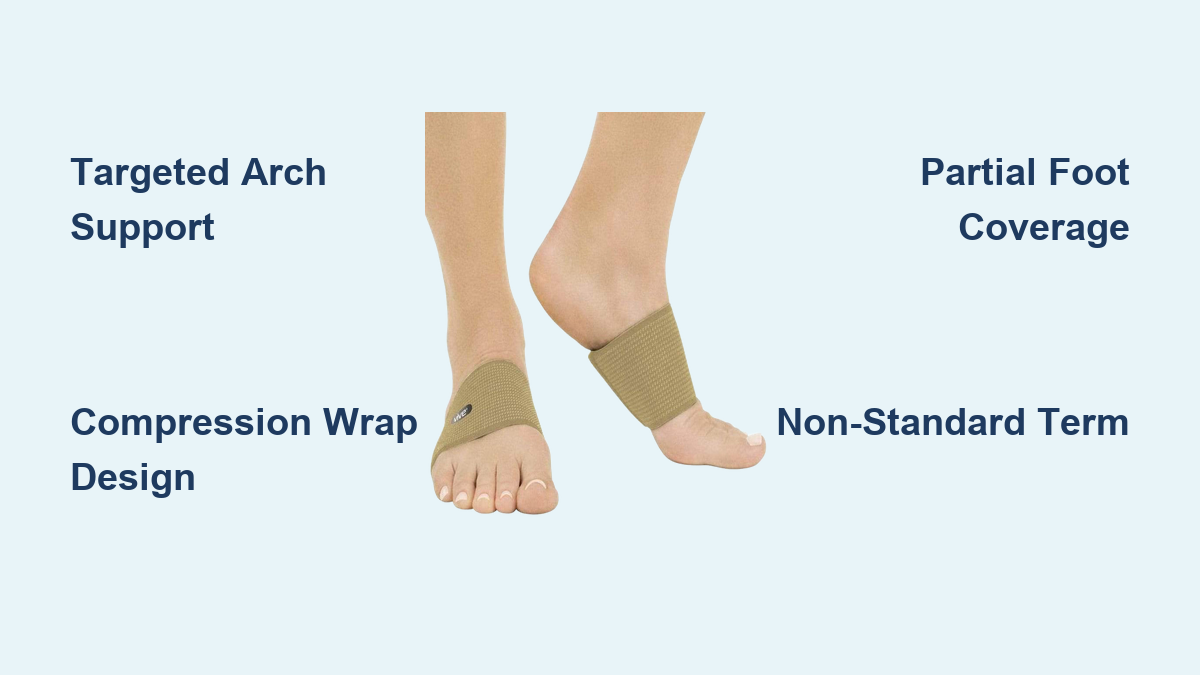
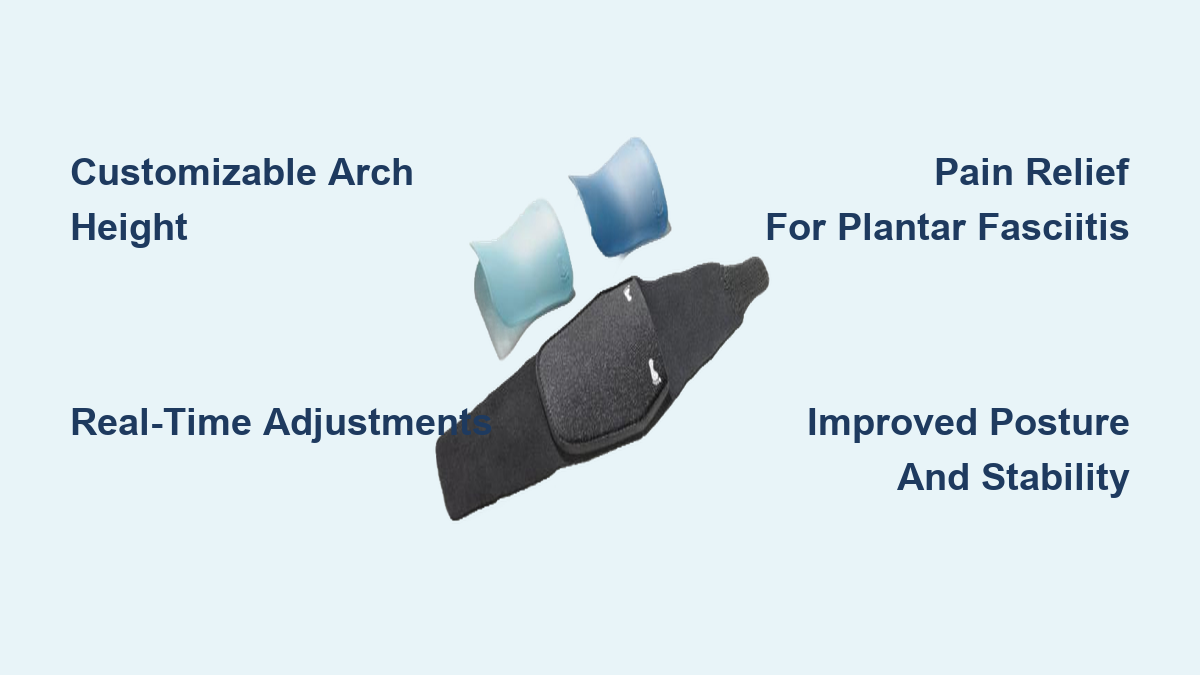
| OTC Inserts | Mild symptoms, temporary relief | Moderate |
| Custom-Molded Orthotics | Chronic pain, structural issues | High |
| Computer-Designed Insoles (e.g., FSAP) | Precision alignment, occupational use | Very High |
| Stability Shoes | Daily wear, prevention | Moderate to High |
While OTC inserts help some people, studies show personalized insoles deliver superior results, especially for long-term use.
Key Features of Effective Insoles
Look for these qualities:
– Firm medial arch support – Resists collapse without restricting motion
– Deep heel cup – Stabilizes the rearfoot and reduces ankle wobble
– Shock-absorbing material – Sorbothane, EVA foam, or cork
– Proper fit – Matches your foot length, width, and arch height
– Breathable, durable cover – Wicks moisture and resists compression
– Shoe compatibility – Fits comfortably in work, casual, or athletic shoes
Avoid flimsy, flat pads—they may feel soft but offer no real support.
Debates and Limitations in the Research
Despite strong evidence, some experts remain cautious about recommending arch supports for back pain.
What Critics Say
A meta-analysis cited by physical therapists including Brad Heineck notes:
– Few high-quality, long-term studies
– Small sample sizes in existing trials
– Short intervention periods (often under 8 weeks)
– Variability in insole design and customization methods
Some argue that perceived benefits may come from general cushioning or placebo effects, not true biomechanical correction.
Why the Evidence Still Supports Use
However, the postal worker study provides Level I evidence—the strongest type—showing real pain reduction with computer-fitted insoles. The double-blind design eliminates placebo bias, and the large effect size (−1.49 pain points) confirms clinical relevance.
While more long-term research is needed, the biomechanical rationale is solid, and patient-reported outcomes are consistently positive—especially in high-load populations.
Boost Back Health with Complementary Strategies
Arch support works best as part of a full-body approach to spinal wellness.
Walk Smart: Dr. McGill’s Daily Routine
Spine expert Dr. Stuart McGill recommends:
– Walk 3x daily for 15–20 minutes, especially after meals
– Maintain neutral spine: engage core, keep head over pelvis
– Try the “clasp hands behind back” trick to gently extend the thoracic spine
– Start on flat surfaces; avoid hills until posture improves
– Walk at a brisk but comfortable pace to optimize gait efficiency
This routine reduces spinal compression and improves circulation.
Strengthen Core and Glutes
Weak core and glutes force your back to do extra work. Build endurance with:
– Planks (front and side) – 3 sets of 30 seconds
– Glute bridges – 3×15 reps
– Bird-dog – 3×10 per side
– Dead bugs – 3×12
– Bodyweight squats – 3×15
Perform these 3–4 times per week to enhance stability.
Stretch Tight Muscles Daily
Tight hamstrings, hip flexors, and calves pull your pelvis out of alignment. Stretch daily:
– Seated forward bend – hold 30 seconds
– Lunging hip flexor stretch – 30 seconds per side
– Child’s pose with knees apart – relax for 1 minute
– Cat-Cow – 10 slow reps
These improve pelvic neutrality and reduce low back tension.
Modify Your Environment
If you stand all day:
– Use anti-fatigue mats on hard floors
– Wear supportive shoes with firm heel counters
– Take micro-breaks every 30–60 minutes
– Use a footrest to shift weight and reduce static load
Small changes make a big difference over time.
Final Note: Arch support is not a luxury—it’s a biomechanical necessity for back health. By stabilizing your foundation, you reduce spinal strain, improve posture, and prevent chronic pain. Whether you choose OTC inserts or custom orthotics, the key is consistency and proper fit. Combine arch support with smart movement, strength training, and ergonomic adjustments for lasting relief. If you have unexplained back pain, start with your feet: they may hold the answer to a healthier spine.