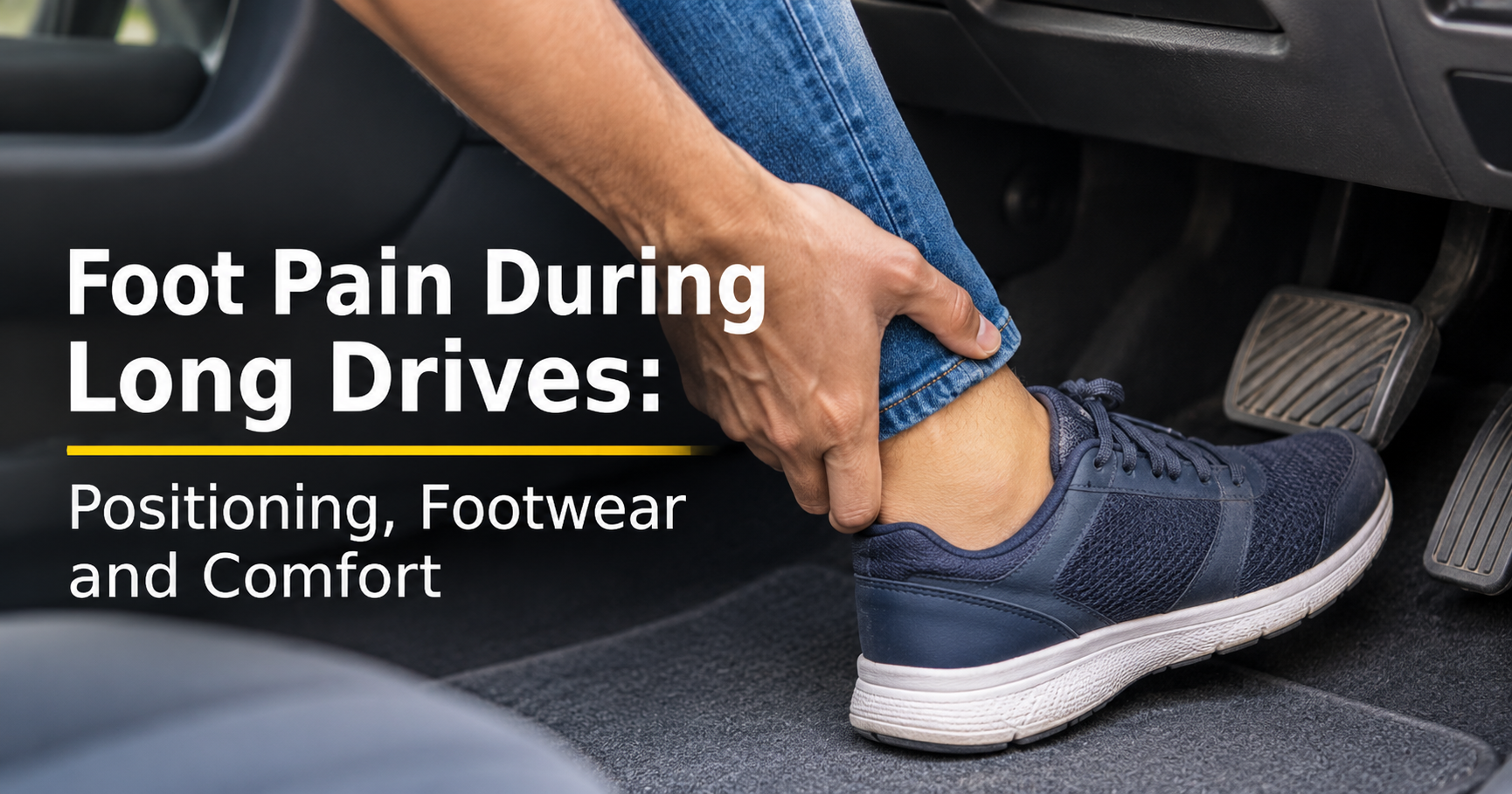
A long drive should end with a sense of arrival, not with throbbing heels, burning toes and ankles that feel two sizes too big. Yet foot pain when driving long distances is one of the most common complaints among commuters, road trippers, delivery drivers and truckers. The good news is that most of it is predictable, and with the right posture, footwear and habits it is also largely preventable.
This guide explains why your feet hurt behind the wheel, how to tell ordinary fatigue from a problem that needs attention, and what you can change today to make every journey more comfortable.
Key Takeaways
- Foot pain on long drives usually comes from static posture, repeated pedal pressure and poor circulation.
- Seat position and shoe choice have a bigger effect than most drivers realise.
- Short rest stops with simple movements reduce swelling, cramping and stiffness.
- Persistent numbness, one-sided calf swelling or severe pain should be checked by a healthcare professional.
Why Do Your Feet Hurt When You Drive for Hours?
Driving looks passive, but your right foot is working constantly. It holds the ankle at a fixed angle, applies small but steady pressure to the accelerator and makes thousands of tiny corrections. Meanwhile, your legs stay mostly still. That combination of low movement and sustained load is exactly what tires muscles and irritates sensitive tissue.
Understanding where the pain appears can point you toward the cause.

Common Causes of Foot Pain While Driving

1. Constant Pedal Pressure on the Forefoot
Pressing the accelerator loads the ball of the foot, the area directly behind the toes. Over several hours, this can irritate the small joints and nerves there, leading to burning, aching or a feeling of walking on a pebble. Drivers who already experience forefoot soreness while walking often notice it earlier on the road.
2. A Fixed Ankle Position
Holding the ankle in the same slightly pointed position keeps the calf muscle and Achilles tendon under mild tension. Without regular movement, muscles tighten and fatigue, and that tightness can travel into the arch and heel.
3. Reduced Circulation and Swelling
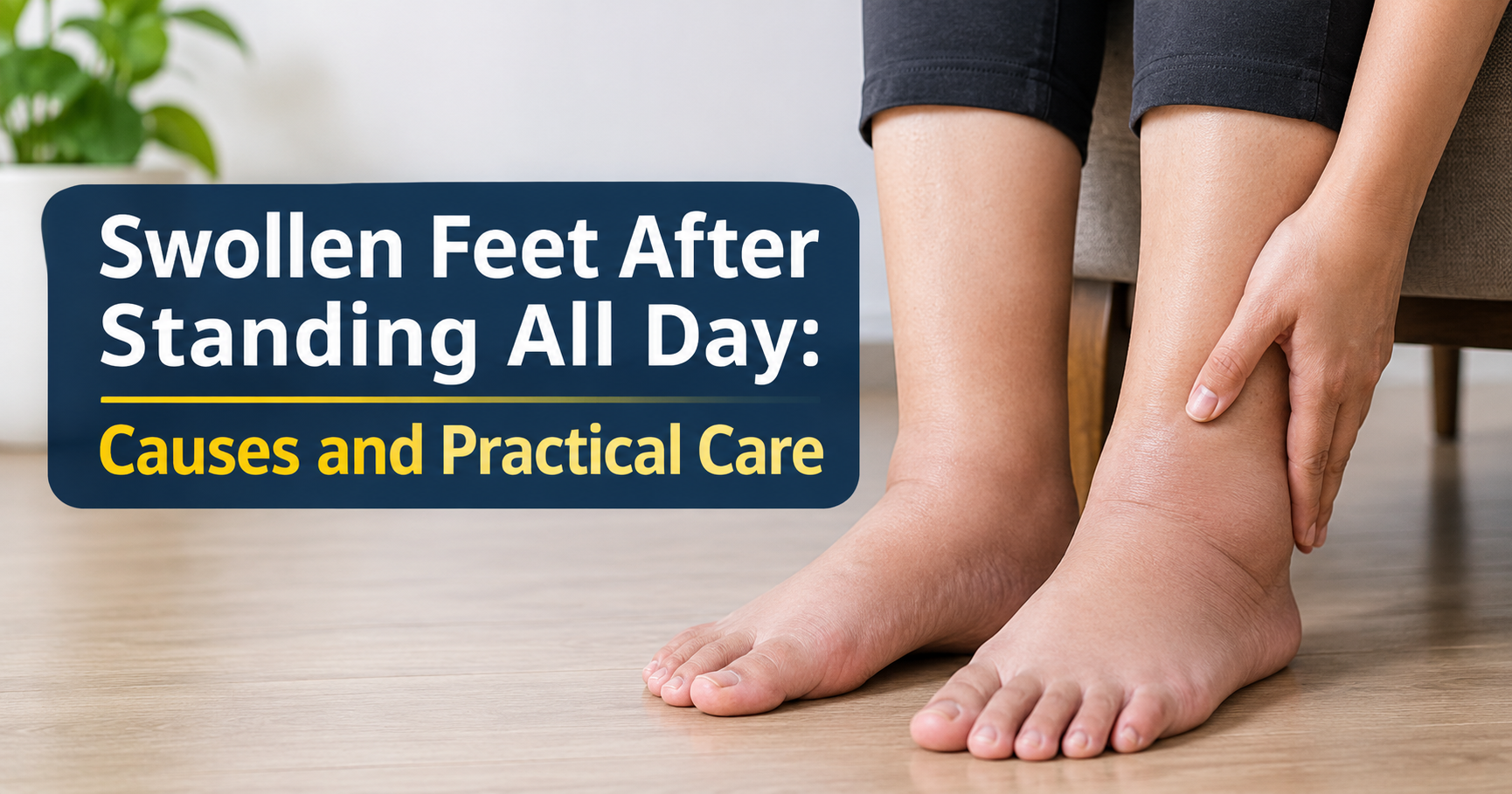
Sitting for long periods lets fluid pool in the lower legs. Heat inside the car and tight footwear can make it worse. Swollen feet press harder against the inside of shoes, which increases pressure points and discomfort.
4. Unsuitable Footwear
Thick, rigid soles reduce pedal feel, so you press harder than necessary. Tight toe boxes squeeze the forefoot, while loose slip-ons force the toes to grip. Heels that are too high or too flat can also alter ankle angle and strain the calf.
5. Plantar Fasciitis
The plantar fascia is a thick band of tissue running from the heel to the toes. When it is irritated, long periods in one position can trigger heel and arch pain, which is often sharpest when you step out of the car after a long drive.
6. Nerve Irritation
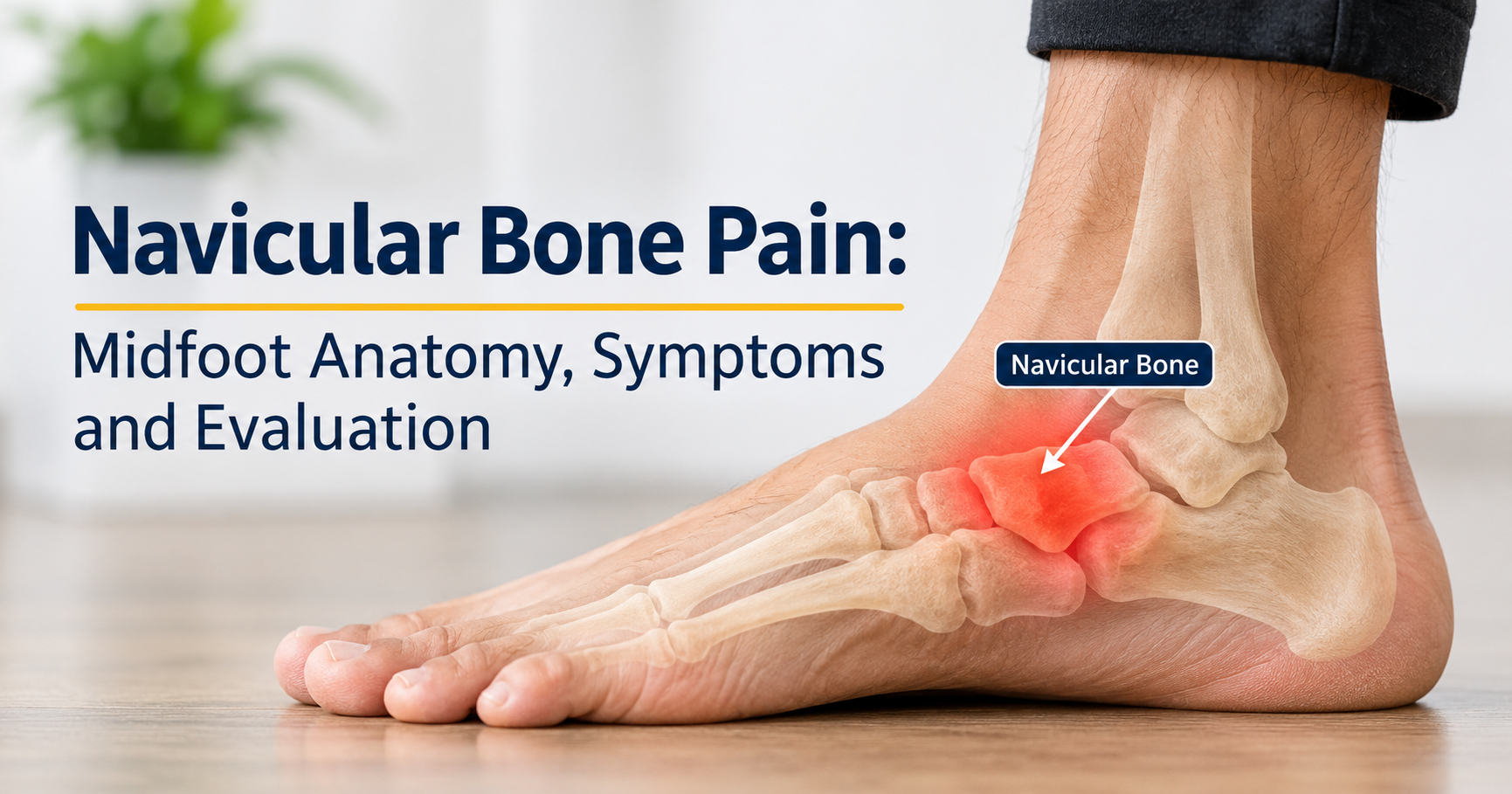
Conditions such as Morton’s neuroma or tarsal tunnel syndrome can cause tingling, burning or numbness. Pedal pressure and tight shoes may make these symptoms more noticeable. Because nerve symptoms can have several causes, ongoing numbness deserves a professional assessment.
Who Is Most Likely to Be Affected?
- Professional drivers such as taxi, delivery and truck drivers who spend many hours seated each day.
- Frequent commuters in heavy stop-and-go traffic, where the foot constantly shifts between pedals.
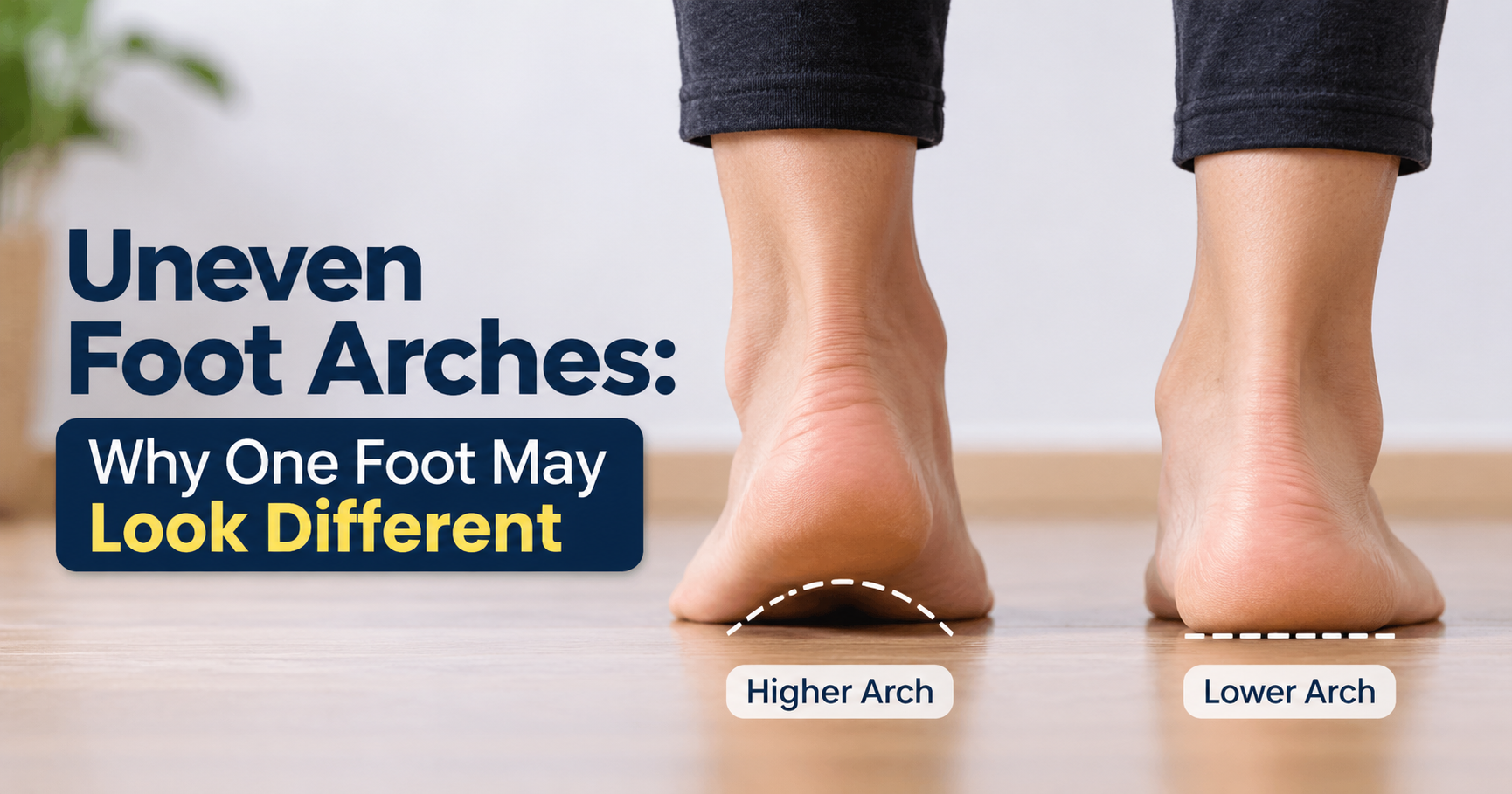
- People with existing foot conditions including flat feet, high arches, bunions or a history of heel pain.
- Drivers carrying extra body weight, which increases the load through the feet and ankles.
- Pregnant drivers, who are more prone to swelling and changes in foot shape.
- Road trippers who are not used to sitting for long stretches.
How to Prevent Foot Pain Before You Set Off
Set Up Your Driving Position
A small adjustment to your seat can change how your foot feels on the pedal. Aim for a position where your knee stays slightly bent when the pedal is fully pressed, your thighs are supported by the cushion, and your heel can rest on the floor while the foot pivots.

Choose Driving-Friendly Shoes
Look for a flat or low heel, a thin but cushioned sole, a flexible forefoot and a secure fit through the midfoot. Allow enough room in the toe box for the toes to spread naturally. Avoid bulky boots, sandals that slip, and very high heels. Keeping a dedicated pair of comfortable driving shoes in the car is a simple habit that pays off on every trip.
Pick the Right Socks
Moisture-wicking, seamless socks help reduce friction and heat. Many drivers find light graduated compression socks helpful for managing swelling on journeys of several hours, though people with circulation or vascular conditions should check with a healthcare professional first.
Consider Supportive Insoles
Cushioned insoles can spread pressure across the foot, and arch-supporting designs may help drivers with flat feet or heel discomfort. Make sure any insole fits flat inside the shoe and does not raise the foot so much that pedal control feels different.
Stay Hydrated and Keep Cool
Dehydration can contribute to cramping, and heat encourages swelling. Drink water regularly, keep the cabin comfortably cool, and avoid heavy meals that make you drowsy and less likely to move around.
Take Smart Breaks: A 5 Minute Foot Reset
Stopping every 90 to 120 minutes is good for alertness as well as your feet. Use that time for movement rather than scrolling on your phone.

- Walk briskly for two minutes. Walking activates the calf muscle pump, which helps push fluid back toward the heart.
- Ankle circles. Lift one foot slightly and draw ten slow circles in each direction, then switch feet.
- Calf stretch. Place your hands on the car, step one foot back with the heel down, and hold for about 30 seconds on each side.
- Toe spread and arch release. Spread and curl your toes, or roll a small ball under the arch for a minute to relax tight tissue.
Comfort Tips You Can Use While Driving
- Use cruise control where it is safe. On open roads it lets the right foot rest and reduces constant pressure.
- Vary your foot position slightly whenever traffic allows, without taking your attention from the road.
- Wiggle your toes and flex your ankles at red lights and when stopped.
- Use the left footrest to keep the other leg and hip relaxed.
- Loosen laces or straps if your feet begin to swell during the journey.
- Never remove your shoes while driving. Barefoot or sock-only driving can reduce pedal control and is unsafe.
Relief After a Long Drive
If your feet are already sore when you arrive, a few gentle steps can speed recovery:
- Elevate your feet above heart level for 15 to 20 minutes to ease swelling.
- Soak your feet in comfortably warm water, or alternate warm and cool water if you find it soothing.
- Gently massage the arch and calves, or roll the sole over a tennis ball or massage ball.
- Stretch the calves and the sole of the foot slowly, without forcing the movement.
- Switch to cushioned, supportive footwear for the rest of the evening.
Over-the-counter pain relief may help some people, but it is best to follow the label and speak to a pharmacist or doctor if you have other conditions or take other medicines.
When Foot Pain Needs Professional Attention
Occasional tiredness after a long drive is common. These signs suggest it is time to get checked:
- Pain that continues for several days or returns with every drive.
- Numbness, tingling or burning that does not settle after you rest.
- Sharp heel pain that is worse with the first steps after sitting.
- Noticeable swelling that does not go down after elevation and rest.
- Skin that looks red, hot or discoloured, or foot pain that changes how you walk.
Frequently Asked Questions
Why do my feet hurt more on long drives than when I walk?
Walking constantly changes the load on your feet and keeps the calf muscles pumping. Driving holds the foot in one position under steady pressure and limits movement, so tissue fatigues and fluid collects more easily.
What is the best type of shoe for long-distance driving?
A lightweight shoe with a thin, flexible sole, a low heel, a secure fit and a roomy toe box is generally best. It should give you a good feel for the pedals without squeezing or slipping.
How often should I stop to rest my feet?
A break every 90 to 120 minutes works well for most people. If you have swelling or foot conditions, shorter intervals may feel better.
Why does my foot go numb when I drive?
Pressure on the forefoot, tight footwear or an awkward ankle angle can irritate nerves. Adjusting your seat and shoes often helps, but if numbness is frequent or persistent, have it assessed.
Do compression socks help with foot pain while driving?
Many drivers find graduated compression socks reduce swelling and heaviness during long journeys. They are not suitable for everyone, so check with a healthcare professional if you have circulation, skin or vascular concerns.
Can insoles make driving more comfortable?
They can, particularly for flat feet, high arches or heel pain. Choose a slim design that fits properly inside your shoe so that your pedal control is not affected.
Final Thoughts
Foot pain when driving long distances is rarely random. It usually comes from a mix of fixed posture, constant pedal pressure, swelling and the wrong footwear. By adjusting your seat, choosing driving-friendly shoes and socks, taking short movement breaks and caring for your feet after the journey, you can make long drives far more comfortable. If symptoms keep coming back or include numbness, severe pain or one-sided swelling, speak to a healthcare professional so the cause can be identified and treated properly.
Disclaimer: This article is for general information only and is not a substitute for professional medical advice, diagnosis or treatment. Always consult a qualified healthcare provider about any health concern.