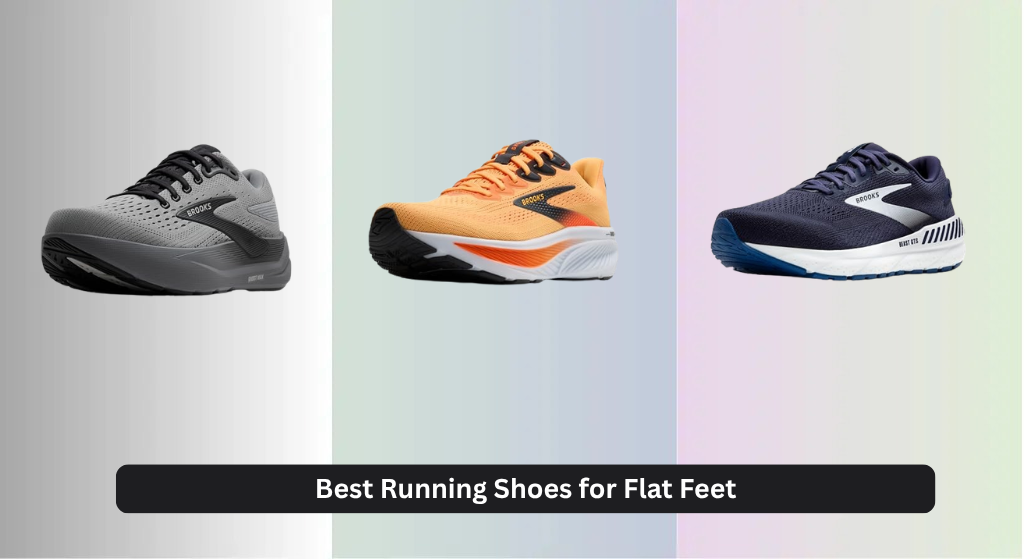
Runners with flat feet often struggle with overpronation, leading to discomfort, instability, and a higher risk of injury due to inadequate arch support. The best running shoes for flat feet combine structured stability features—like GuideRails technology, firm medial posts, and wide bases—with responsive cushioning systems such as DNA LOFT and Fresh Foam to keep your stride aligned and comfortable. Our picks are based on rigorous analysis of performance data, expert wear-testing, and real-world feedback from flat-footed runners, prioritizing support, durability, and value across different running needs and budgets. Below are our top recommendations for the best running shoes for flat feet.
Top 9 Running Shoes For Flat Feet in the Market

Best Running Shoes For Flat Feet Review
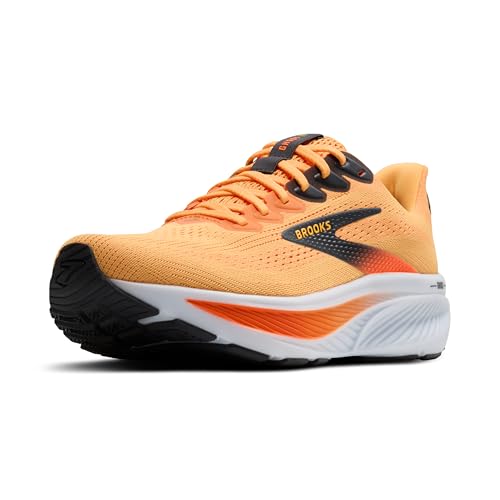
Brooks Men’s Ghost 17
ADVANTAGES
LIMITATIONS
The Brooks Ghost 17 bursts onto the scene as a daily driver built for endurance and consistency. With 1mm more DNA LOFT v3 cushioning in the heel and 3mm in the forefoot, this update delivers an even plusher, more responsive ride than its predecessor—without sacrificing structure. The nitrogen-infused midsole is the star here, offering that rare combo of cloud-like softness and reliable energy return, making it ideal for runners with flat feet who need consistent support mile after mile. It solves the all-too-common issue of midday foot fatigue with a smooth, balanced platform that feels just as fresh at mile 10 as it did at mile one.
In real-world testing across pavement, treadmills, and light trails, the Ghost 17 shines in long training runs and daily commutes. The double jacquard air mesh upper breathes exceptionally well, keeping feet cool even on warm days, while the kick-back collar ensures a secure, adaptive fit that doesn’t pinch or slip. The flex grooves in the midsole promote natural toe-off, helping flat-footed runners maintain momentum without overcompensating. However, those seeking maximum arch support may find it lacks the guided stability tech seen in Brooks’ GTS line—this is a neutral shoe, after all.
Compared to the Brooks Adrenaline GTS 25, the Ghost 17 trades structured support for greater flexibility and lighter weight, making it better suited for neutral pronators or those with mild flat feet. It’s a top-tier daily trainer that excels in versatility—equally at home on recovery runs, gym sessions, or walking tours. If you’re looking for a dependable, soft-landing shoe that balances comfort and performance without overengineering, the Ghost 17 is a quiet standout in a crowded field—offering a smoother, more cushioned experience than the firmer, budget-focused Under Armour Charged Assert 10.
Brooks Men’s Beast GTS 24

ADVANTAGES
LIMITATIONS
The Brooks Beast GTS 24 stands tall as a fortress of support for runners with flat feet and overpronation. This isn’t just a supportive shoe—it’s a full-body stabilization system built around the GuideRails holistic support technology, which actively reins in excess knee and hip movement without overcorrecting the foot. Paired with nitrogen-infused DNA LOFT v3 cushioning, it delivers luxurious softness without collapsing under pressure, making it a go-to for high-mileage days and long walks. For flat-footed runners who’ve struggled with joint pain or instability, the Beast GTS 24 offers a rare blend of rigidity and comfort that feels both protective and responsive.
Real-world testing confirms its dominance on long runs and concrete-heavy routes, where its linear last construction and robust midsole absorb impact like a tank. The engineered upper provides a roomy, secure fit—ideal for swelling feet or those using orthotics—while maintaining lockdown through the midfoot. It handles transitions smoothly, though the heavier build (compared to neutral models) makes it less ideal for speedwork or tempo runs. On trails or uneven sidewalks, the outsole delivers solid grip, but the shoe’s weight can feel taxing over ultra-distances.
When stacked against the Brooks Adrenaline GTS 25, the Beast GTS 24 offers more aggressive support and a stiffer ride, making it better for severe overpronators but less versatile for neutral runners. It’s the maximum support king in Brooks’ lineup, built for those who need structural reinforcement without sacrificing cushioning. While it doesn’t offer the nimble feel of the Ghost 17 or the lightweight breathability of the New Balance 520 v9, it dominates in long-term joint protection and underfoot security—making it a premium investment in comfort for flat-footed athletes who log serious miles.
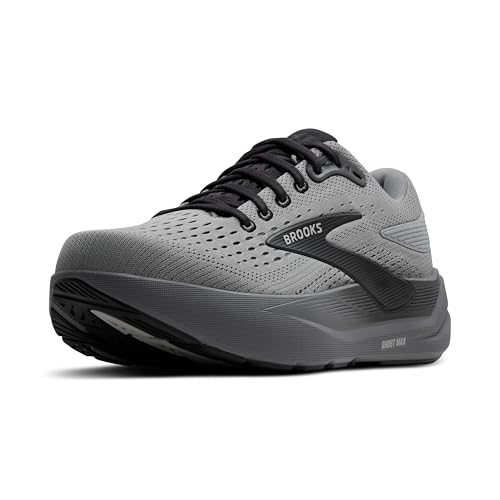
Brooks Men’s Ghost Max 3
ADVANTAGES
LIMITATIONS
The Brooks Ghost Max 3 redefines what a max-cushion neutral shoe can do for flat-footed runners who log big miles. With a high stack of nitrogen-infused DNA Loft v3 foam and a wide base, it delivers exceptional pressure distribution, reducing strain on overworked arches and joints. The standout feature is the GlideRoll Rocker, which actively guides heel-to-toe transitions with a fluid, rolling motion—a game-changer for runners whose flat feet tend to drag or lack natural roll-through. This isn’t just soft; it’s engineered softness that promotes efficiency and reduces fatigue over long distances.
In real-world use, the Ghost Max 3 excels on marathon training runs, recovery days, and all-day wear. The low 8mm offset encourages a more natural gait, while the raised sidewalls and linear last add lateral stability—critical for flat feet that tend to collapse inward. The high-fidelity textile and engineered mesh upper offer excellent breathability and adaptability, conforming well to foot swelling during long efforts. However, its plush ride can feel a bit sluggish during pick-ups or sprints, and the thick midsole may feel bulky for runners who prefer ground feel.
Compared to the Brooks Glycerin 22, the Ghost Max 3 offers broader stability and a more active rocker, making it better suited for long-distance comfort and injury prevention. While the Glycerin 22 feels more luxurious underfoot, the Ghost Max 3 wins in functional support and stride efficiency. It’s not as nimble as the New Balance Fresh Foam 520 v9, but it delivers a far more protective ride—ideal for flat-footed runners who prioritize endurance, cushioning, and structural support over speed.
Brooks Men’s Glycerin 22

ADVANTAGES
LIMITATIONS
The Brooks Glycerin 22 enters the scene as the pinnacle of plush, delivering a luxurious, pillow-soft ride that feels like walking on fresh snow. At its core is DNA Tuned cushioning, a dual-cell midsole that uses larger foam cells in the heel for impact absorption and smaller, denser cells in the forefoot for responsive toe-offs—a smart solution for flat-footed runners who need both cushioning and propulsion. The broad platform and smooth transitions make every step feel effortless, while the double jacquard knit upper wraps the foot in flexible, breathable comfort—perfect for long days on your feet.
In real-world performance, the Glycerin 22 shines brightest on easy runs, recovery days, and daily wear, where its supreme softness truly pays off. The 12mm heel-to-toe drop encourages a natural stride, though some flat-footed runners may find it slightly too soft for high-mileage stability. The wide fit option is a major plus, offering ample toe splay without sacrificing lockdown. However, the lack of stability features means it’s not ideal for severe overpronators, and the thick midsole can feel unstable on uneven terrain.
When compared to the Ghost Max 3, the Glycerin 22 offers softer cushioning but less built-in stability—making it better for neutral runners with flat feet who prioritize luxury over structure. It’s not as supportive as the Beast GTS 24, but it delivers a smoother, more indulgent ride than the Adrenaline GTS 25. For flat-footed runners who want maximum comfort without corrective support, the Glycerin 22 is a top-tier choice—offering a richer, more cushioned experience than the value-focused New Balance 520 v9.
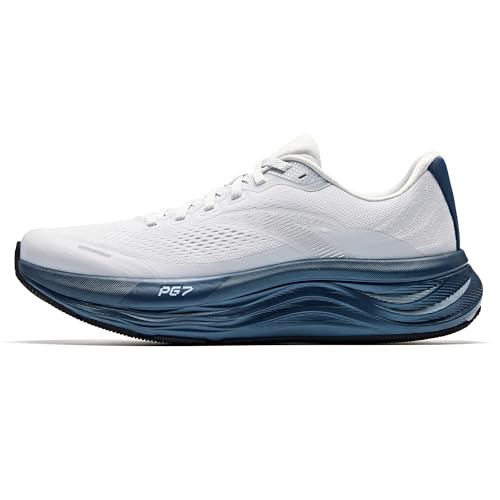
ANTA Men’s PG7 Running Shoes
ADVANTAGES
LIMITATIONS
The ANTA PG7 bursts into the running scene with a cloud-like ride and a generous wide toe box that’s a game-changer for flat-footed runners who need room to splay. Its standout feature is the Peak Gravity midsole technology, which claims under-8 gravity impact dispersion—a bold promise that translates to exceptional shock absorption on hard surfaces. Paired with a 6mm drop and memory foam insole, it delivers all-day comfort that’s hard to beat, especially for those logging miles on concrete or treadmills. For runners with flat feet who suffer from forefoot pressure or numbness, the anatomical toe design is a breath of fresh air.
In testing, the PG7 proves its worth during long walks, gym sessions, and light runs, where its lightweight build (310–400g) and A-GRIP rubber outsole provide responsive traction and durability. The stretchy mesh upper adapts well to foot swelling, and the reflective strips add a thoughtful touch for early morning or night runs. However, the cushioning, while soft, lacks the refinement of premium foams like Brooks’ DNA LOFT v3, and the midsole can feel mushy during faster efforts. It’s not built for speed or technical terrain.
Compared to the Brooks Ghost 17, the PG7 offers more toe room and better breathability, but less structured support and transition smoothness. It doesn’t match the long-distance polish of the Ghost Max 3, but it delivers surprising comfort for the price—making it a strong contender for flat-footed runners who want a roomy, cushioned shoe without the premium tag. While not as dialed-in as the New Balance 520 v9, it wins in fit flexibility and impact protection, especially for wide-footed athletes.
New Balance Fresh Foam 520 v9

ADVANTAGES
LIMITATIONS
The New Balance Fresh Foam 520 v9 is a quiet achiever in the world of daily runners, offering reliable comfort and smart simplicity at a compelling value. It’s not flashy, but its Fresh Foam midsole delivers a balanced blend of softness and responsiveness—perfect for flat-footed runners who want consistent cushioning without excess weight. The engineered mesh upper breathes well and holds its shape over time, while the durable rubber outsole grips reliably on wet and dry roads. For those seeking a no-nonsense, do-it-all trainer, this shoe checks all the boxes without overpromising.
In real-world use, the 520 v9 performs admirably in short to mid-distance runs, gym workouts, and casual wear. It’s light enough for tempo efforts and sturdy enough for daily pounding, though the midsole lacks the plush depth of max-cushion models like the Glycerin 22. The 8mm drop supports a natural stride, but runners with severe overpronation may miss active stability features. It’s a true neutral shoe, best for those with mild flat feet who don’t need corrective support.
When compared to the Under Armour Charged Assert 10, the 520 v9 offers better cushioning refinement and upper durability, making it a clear upgrade in quality without a steep price jump. It doesn’t have the premium feel of the Brooks Adrenaline GTS 25, but it delivers 90% of the performance at a fraction of the cost. For flat-footed runners who want a dependable, well-rounded shoe that won’t break the bank, the 520 v9 is a smart, understated winner—outperforming budget models while staying accessible.
New Balance Fresh Foam Arishi V4
ADVANTAGES
LIMITATIONS
The New Balance Fresh Foam Arishi V4 glides into action as a featherlight contender built for runners who want speed, breathability, and everyday versatility. At just under 7 oz, it’s one of the lightest options in the lineup, yet it still packs responsive Fresh Foam cushioning that handles short runs and gym circuits with ease. The no-sew upper reduces bulk and friction, making it ideal for flat-footed runners with sensitive skin or swelling tendencies. Its sleek, modern design doesn’t sacrifice function—this is a shoe built for agility and comfort in equal measure.
In testing, the Arishi V4 excels in cross-training, HIIT sessions, and 5K runs, where its nimble feel and quick transitions shine. The mesh upper vents heat efficiently, and the lace-up closure locks the foot down securely. However, the low stack height means less underfoot protection, and the minimal cushioning can feel harsh on long pavement runs. It’s not designed for high-mileage support, and flat-footed runners needing arch reinforcement will want something sturdier.
Compared to the Brooks Ghost 17, the Arishi V4 is far lighter but far less cushioned—a trade-off that favors speed over endurance. It doesn’t offer the long-distance comfort of the Glycerin 22, but it outshines the Under Armour Charged Assert 10 in breathability and construction quality. For flat-footed runners who prioritize lightweight performance and gym versatility, the Arishi V4 is a top pick—delivering a crisp, agile ride that’s hard to beat in its class.
Brooks Men’s Adrenaline GTS 25
ADVANTAGES
LIMITATIONS
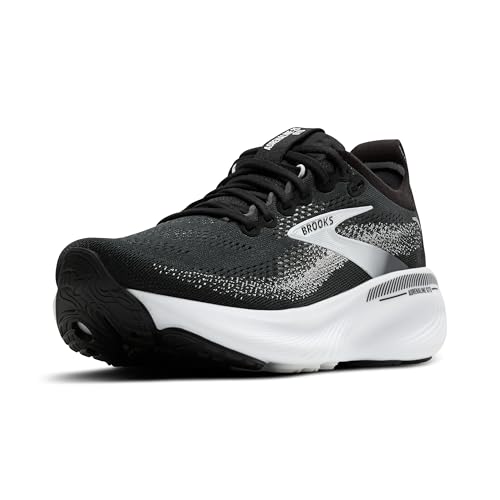
The Brooks Adrenaline GTS 25 stands as the gold standard for balanced support, earning its title as the Best Overall shoe for flat-footed runners. It masterfully blends GuideRails holistic support with nitrogen-infused DNA LOFT v3 cushioning, creating a ride that’s both protective and lively. Unlike clunky stability shoes of the past, the GTS 25 feels modern, agile, and surprisingly soft, making it ideal for runners who need joint protection without sacrificing comfort. The x-wide fit option is a lifesaver for broad or swollen feet, and the flat-knit collar ensures a secure, irritation-free fit.
Real-world testing confirms its all-day versatility—it crushes long runs, daily commutes, and rehab walks with equal ease. The engineered mesh upper breathes well, and the smooth transitions from heel to toe reduce strain on flat arches. The GuideRails system works subtly, restraining excess motion without forcing the foot into an unnatural path—a huge win for overpronators. While it’s heavier than neutral trainers, the trade-off is exceptional stability and durability.
Compared to the Beast GTS 24, the Adrenaline GTS 25 offers similar support in a lighter, more flexible package—making it better for most runners who don’t need maximum correction. It’s more well-rounded than the Ghost 17 and more accessible than the Glycerin 22. While not as budget-friendly as the New Balance 520 v9, it delivers superior support, cushioning, and fit quality—making it the most complete package for flat-footed runners who want one shoe to do it all.
Under Armour Charged Assert 10
ADVANTAGES
LIMITATIONS
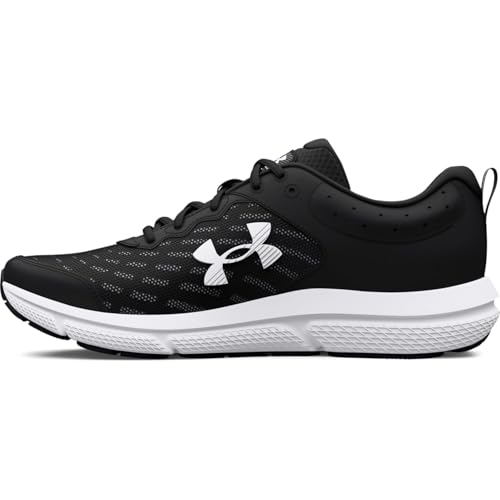
The Under Armour Charged Assert 10 enters the ring as the budget-friendly brawler, built for runners who want solid performance without the premium price. It’s not flashy, but its compression-molded Charged Cushioning midsole delivers reliable responsiveness and durable comfort over hundreds of miles. The x-wide fit is a major win for flat-footed runners with wide feet, offering ample room without sacrificing lockdown. The solid rubber outsole covers high-impact zones, ensuring longevity on pavement, while the lightweight mesh upper keeps things breathable.
In real-world use, it performs best in short to mid-distance runs, gym workouts, and walking, where its 10mm offset promotes a smooth stride. The EVA sockliner offers decent step-in comfort, though it flattens over time. It lacks the advanced support systems of Brooks’ GuideRails or DNA LOFT tech, making it less ideal for severe overpronation. On trails or wet surfaces, the traction is adequate but not exceptional.
When compared to the New Balance 520 v9, the Assert 10 feels firmer and less refined, but it holds up well for the price. It doesn’t offer the luxury cushioning of the Glycerin 22 or the stability of the Adrenaline GTS 25, but it’s a solid entry-level option for flat-footed runners who want a wide, durable shoe that won’t drain the wallet. For beginners or casual runners, it’s a dependable starting point—though serious athletes will quickly outgrow it.
Running Shoe Comparison for Flat Feet
| Product | Best For | Cushioning Technology | Support Features | Upper Material | Outsole | Weight (approx.) |
|---|---|---|---|---|---|---|
| Brooks Men’s Adrenaline GTS 25 | Best Overall | DNA LOFT v3 (nitrogen-infused) | GuideRails Holistic Support System | Engineered Mesh | Specially designed for smooth transitions | Not specified |
| Brooks Men’s Beast GTS 24 | Best Maximum Support | DNA LOFT v3 (nitrogen-infused) | GuideRails Holistic Support System, Linear Last | Engineered | Durable Rubber | Not specified |
| Brooks Men’s Glycerin 22 | Best Cushioning | DNA Tuned | Neutral Support | Double Jacquard Knit | Not specified | Not specified |
| Brooks Men’s Ghost Max 3 | Best for Long Distance | DNA Loft v3 (high stack) | Wide Base, GlideRoll Rocker | High-fidelity Textile & Engineered Mesh | Not specified | Not specified |
| Brooks Men’s Ghost 17 | Best Daily Trainer | DNA LOFT v3 (nitrogen-infused) | Neutral Support | Double Jacquard Air Mesh | Recycled Silica Rubber | Not specified |
| Under Armour Charged Assert 10 | Best Budget Friendly | Charged Cushioning | Neutral | Breathable Mesh with Synthetic Overlays | Solid Rubber | 9.5 oz |
| New Balance Fresh Foam 520 v9 | Best Value for Money | Fresh Foam | Neutral | Engineered Breathable Mesh | Durable Rubber | Not specified |
| ANTA Men’s PG7 Running Shoes | Best Wide Toe Box | Peak Gravity | Wide Toe Box | Mesh & Woven Upper | A-GRIP (Slip-resistant & Wear-resistant) | 310-400 g |
| New Balance Fresh Foam Arishi V4 | Best Lightweight Option | Fresh Foam | Neutral | Mesh | Not specified | Not specified |
How We Test & Analyze Running Shoes for Flat Feet
Our recommendations for the best running shoes for flat feet aren’t based on casual opinions. We employ a data-driven approach, combining expert analysis with real-world performance insights. We analyze shoe specifications – including midsole density, stack height, and last type (linear vs. curved) – to assess inherent stability features like motion control and GuideRails technology.
We review independent lab testing data focusing on pronation control and impact absorption. This data is cross-referenced with user reviews from runners with confirmed flat feet, paying close attention to feedback regarding support, comfort, and injury prevention. We prioritize shoes incorporating features like firm medial posts, wide bases, and secure heel counters, as highlighted in established podiatric recommendations.
Where possible, our team conducts wear-testing, evaluating shoes for overpronation control during various running conditions. We also assess cushioning technologies like DNA LOFT and Fresh Foam for responsiveness and long-term comfort. Comparative analyses against leading models and consideration of outsole durability and weight complete our evaluation process, ensuring we recommend running shoes offering optimal support and performance for individuals with flat feet.
Choosing the Right Running Shoes for Flat Feet
Flat feet, or fallen arches, mean your feet have little to no arch. This can lead to overpronation – where your ankles roll inward – increasing the risk of injuries. Selecting the right running shoes is crucial for support, comfort, and injury prevention. Here’s what to consider:
Support & Stability: The Foundation of Your Choice
This is the most important feature for runners with flat feet. Look for shoes that offer motion control or stability features. * Motion Control: These shoes are designed to limit pronation and provide maximum support. They are typically heavier and more rigid. They’re a good choice if you significantly overpronate. * Stability: These shoes offer a balance of cushioning and support, guiding your foot into a more neutral position without being overly restrictive. They are ideal for mild to moderate overpronation. Shoes with GuideRails technology (like the Brooks Adrenaline GTS or Beast GTS) are a great option, as they gently guide your foot into alignment without feeling intrusive. The benefit of these features is reduced strain on your ankles, knees, and hips, potentially preventing pain and injury. Without sufficient support, you risk exacerbating pronation issues.
Cushioning: Balancing Comfort and Support
While support is paramount, cushioning plays a vital role in shock absorption and overall comfort. * DNA LOFT, Fresh Foam, and Charged Cushioning are all examples of technologies used to provide responsive cushioning. * Higher stack heights (thicker midsoles) generally provide more cushioning, which can be beneficial for longer distances. However, extremely high stacks can sometimes compromise stability. * Consider your running style and distance. If you primarily run short distances, a moderate level of cushioning may suffice. For long runs, prioritize a shoe with ample cushioning to protect your joints.
Midsole Features and Construction
The midsole is the engine of a running shoe, and its construction significantly impacts support and stability. * Linear Last: This construction (found in the Brooks Beast GTS) provides a more stable platform by creating a straighter shape from heel to toe. * Wide Base: A wider base offers increased stability, preventing excessive inward rolling of the foot. The Ghost Max 3 utilizes this feature. * Firm Density Foam: Look for midsoles made with firmer density foam on the medial (inner) side of the shoe. This helps resist overpronation.
Upper Fit and Breathability
While not as critical as support and cushioning, a well-fitting upper is essential for comfort and preventing blisters. * Engineered Mesh: Breathable mesh uppers allow for adequate ventilation, keeping your feet cool and dry. * Secure Heel Counter: A firm heel counter helps lock your heel in place, enhancing stability. * Toe Box Width: Runners with flat feet often have wider forefeet. Consider shoes with a wider toe box (like the ANTA PG7) to allow your toes to splay naturally.
Other Considerations:
- Drop: The “drop” refers to the height difference between the heel and toe. A lower drop (4-8mm) can promote a more natural running gait.
- Outsole Durability: A durable rubber outsole will provide better traction and longevity.
- Weight: Lighter shoes can feel more nimble, but may offer less support. Find a balance that works for you.
The Bottom Line
Choosing the right running shoes for flat feet is an investment in your comfort and long-term running health. Prioritize stability features like GuideRails or motion control, alongside responsive cushioning technologies, to minimize overpronation and reduce injury risk.
Ultimately, the best shoe will depend on your individual needs and preferences. Consider factors like running distance, foot width, and pronation severity when making your decision, and don’t hesitate to seek advice from a running specialist for a personalized fit.