Calluses are a common reality for athletes who push their bodies through repetitive, high-friction movements—whether you’re deadlifting heavy weights, rowing for miles, or logging endless pull-ups in CrossFit. These thickened patches of skin form as your body’s natural defense against pressure and friction, but when left unchecked, they can lead to painful tears, open wounds, and infections that derail training. The goal isn’t to eliminate calluses entirely—they’re a sign of hard work and adaptation—but to prevent them from becoming problematic.
The good news? With the right habits, gear, and technique, you can keep your skin strong, flexible, and functional. This guide delivers science-backed, sport-specific strategies to help athletes stop calluses before they start—without sacrificing grip strength or performance. From daily skincare routines to smart equipment choices and training modifications, these actionable steps will protect your hands and feet so you can train harder, longer, and safer.
Stop Hand Calluses Before They Turn Painful
File Calluses Weekly to Prevent Splitting
Thick, uneven calluses are prone to catching on bars and tearing during workouts. Regular filing keeps them smooth and under control.
After a warm shower or soaking your hands in warm water for 3–5 minutes, use a pumice stone, emery board, or electric callus remover to gently reduce buildup. Always file in one direction—never aggressively scrape or dig into the skin. Focus on high-stress zones like the palm under the fingers and the thumb ridge, where calluses commonly split during pull-ups or deadlifts.
Crucially, don’t remove all hard skin. A thin, even layer provides essential protection. Over-filing exposes tender tissue underneath, increasing the risk of blisters and tears. Aim for consistency—file once a week to stay ahead of buildup.
“Allow calluses to develop naturally, but maintain them through gentle filing and moisturizing.”
— Dr. Dusan Sajic, Dermatologist & Former Rower
Moisturize Daily with Urea-Based Creams
Dry, brittle skin cracks easily. Keeping your hands hydrated maintains elasticity and reduces the risk of splits.
Apply a 15–25% urea cream immediately after washing or showering. Urea is a powerful humectant that draws moisture into the skin while gently breaking down dead cells—a dual action ideal for athlete’s skin. Pair it with nourishing ingredients like shea butter, coconut oil, and vitamin E for extra protection.
Reapply after workouts, especially if you’ve used chalk, sweat heavily, or sanitized your hands. Dryness from repeated exposure to these elements increases brittleness, making calluses more likely to tear.
“Urea softens thickened skin and locks in hydration—perfect for athletes dealing with constant friction.”
— Podiatrist Russel Rubin
Use Tape, Grips, or Gloves to Reduce Friction
Creating a barrier between your skin and equipment is one of the most effective ways to prevent callus formation.
- Gymnastics grips shield palms during kipping pull-ups and bar muscle-ups.
- Athletic tape (like kinesiology or athletic tape) can be applied over high-pressure areas—especially the thumb and palm creases—before intense workouts.
- Gloves or grip pads offer full-hand protection, ideal for beginners or those returning from a torn callus.
- Hook attachments for rowing machines reduce grip strain by allowing hands to rest in a neutral position.
- Wrist sweatbands keep moisture off your palms, preventing the softening that leads to tearing.
“A simple strip of tape can stop microtears before they start.”
— Eric O’Connor, CF-L4 Coach
Apply Chalk Smartly—Don’t Overdo It
Chalk improves grip by reducing slip, but too much chalk creates clumps that increase abrasion.
Use just enough to keep hands dry, and brush off any excess. In humid environments, chalk absorbs moisture and turns gritty—this rough texture grinds against skin with every rep. For cleaner coverage, consider liquid chalk, which dries quickly and lasts longer without residue.
Avoid re-chalking mid-set unless absolutely necessary. Each application adds more friction potential.
Fix Your Technique to Reduce Hand Stress
Poor form concentrates pressure on small areas of the hand, accelerating callus buildup and tear risk.
- In pull-ups, place your knuckles on top of the bar and avoid sliding your grip during reps.
- For deadlifts, use a hook grip to stabilize the bar without over-gripping.
- In rowing or cycling, maintain a neutral wrist to prevent pressure on the heel of the hand.
- Engage your lats during pulling movements—this reduces reliance on grip strength alone and spreads the load across larger muscle groups.
“Better technique means less hand fatigue and fewer callus problems.”
Scale Training Volume Gradually
Sudden spikes in volume overwhelm your skin’s ability to adapt. Jumping into 100 unbroken pull-ups after a layoff is a fast track to torn palms.
Break high-rep sets into manageable chunks—like 10 rounds of 5 reps instead of 50 unbroken. This reduces cumulative friction and allows your hands to recover between sets. Allow 48–72 hours between intense grip workouts to let microtrauma heal.
“Jumping into ‘Murph’ after months off is a recipe for disaster.”
— Eric O’Connor
Prevent Foot Calluses the Smart Way
Wear Properly Fitted Shoes to Stop Friction
Ill-fitting shoes are the leading cause of foot calluses. Shoes that are too tight create pressure points; those that are too loose allow your foot to slide, generating friction.
Get your feet measured regularly—foot size changes with age, weight, and activity. Look for:
– A snug heel with no slipping.
– Toes that can wiggle freely.
– A width that matches your foot—no pinching or compression.
Avoid oversized shoes, especially during running or court sports, where foot movement increases the risk of hot spots and calluses.
“Too-large shoes make your feet slide, creating friction and calluses.”
— Podiatrists Rubin, Proskewitz, Marinos
Choose Shoes with Wide, Rounded Toe Boxes
Narrow or pointed shoes force toes together, increasing pressure on the ball of the foot and sides of toes—prime zones for callus formation.
Opt for wide, square, or rounded toe boxes that allow natural toe splay. Sport-specific options:
– Running: Cushioned midsoles to absorb impact.
– Court sports: Lateral support to prevent rolling.
– Cycling: Stiff soles that minimize foot movement inside the shoe.
Wear Moisture-Wicking Socks, Not Cotton
Damp skin blisters and calluses faster. Cotton socks trap sweat and stay wet, increasing friction.
Choose acrylic, polyester, or synthetic blends designed for athletes. Look for:
– Seamless construction to prevent rubbing.
– Extra padding at the ball of the foot and heel.
– Arch support to stabilize the foot.
“Socks are your first line of defense—choose ones that work with your shoes.”
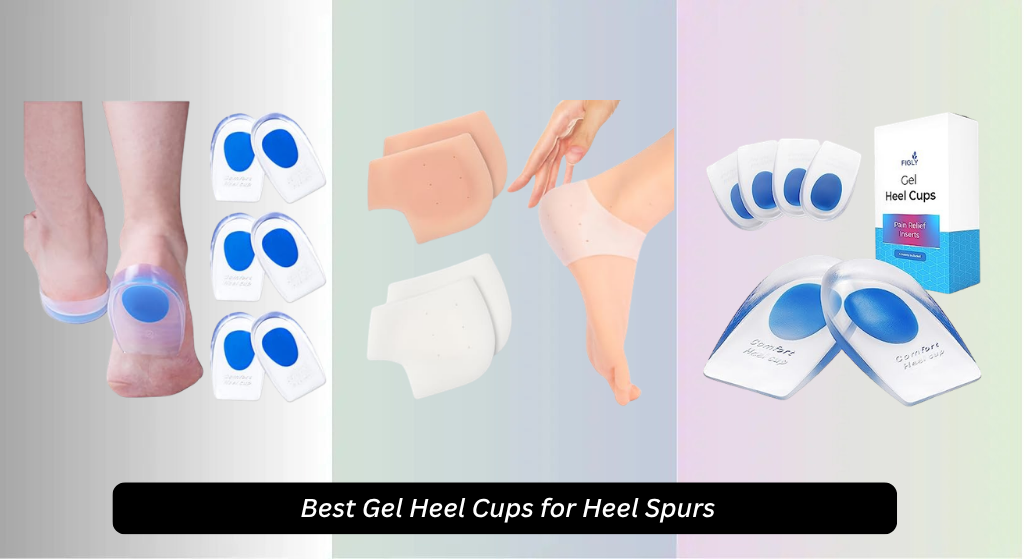
Add Insoles or Orthotics for Pressure Relief
If you have bony prominences or thin fat pads under your feet, gel or foam insoles can make a big difference.
Use:
– Metatarsal pads to relieve pressure on the ball of the foot.
– Heel cups to cushion impact.
– Custom orthotics if you have biomechanical issues like overpronation.
Replace insoles every 6–12 months—they lose cushioning over time.
“If you have prominent bones or thin fat pads, insoles are essential.”
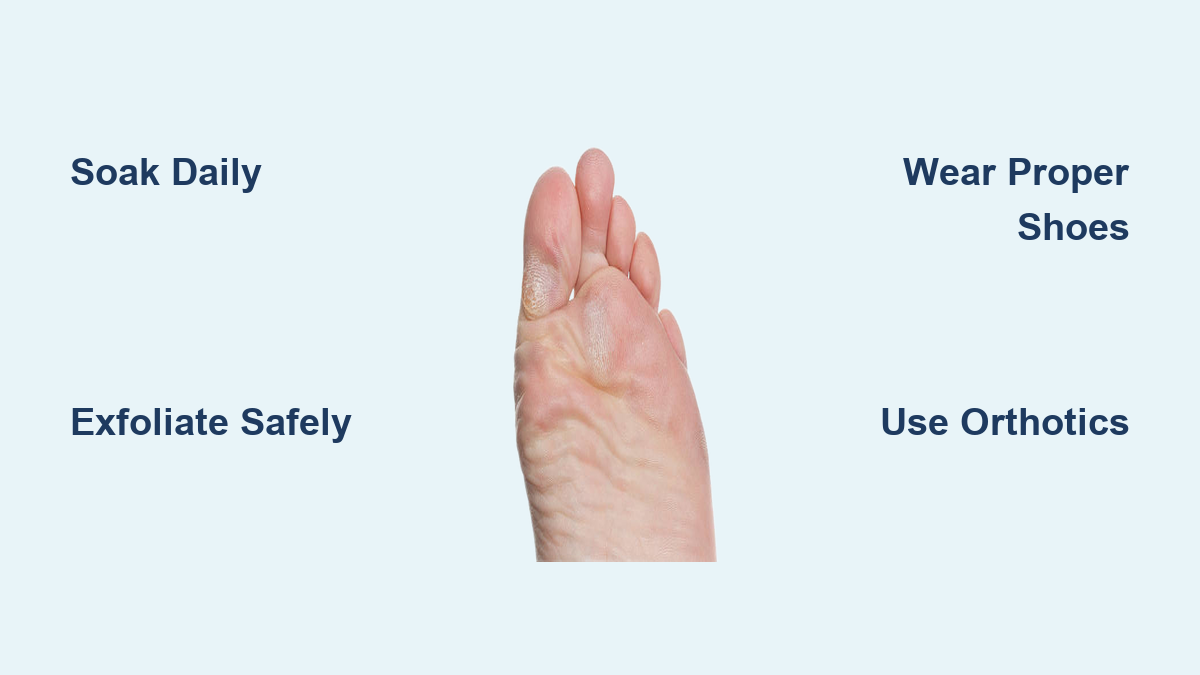
Moisturize and Exfoliate Feet Daily
Thick foot calluses can become painful and interfere with gait. Stay ahead with daily care.
Apply 15–25% urea cream every night, focusing on heels, the ball of the foot, and sides of toes. After showering, gently exfoliate with a pumice stone to remove dead skin. Don’t over-sand—irritated skin responds by thickening further.
Inspect feet regularly for early signs of thickening, redness, or cracking.
Avoid Barefoot Walking and Flip-Flops
Walking barefoot or in flip-flops increases callus risk. Flip-flops lack support and force your toes to grip, creating friction.
Wear supportive sandals like Birkenstocks for casual wear. Always wear shoes in public showers or pools to avoid fungal infections like athlete’s foot.
“Walking barefoot at the pool can lead to calluses—or athlete’s foot.”
Fix Torn Calluses Fast to Prevent Infection
A frayed callus can quickly become an open wound. Act immediately:
- Wash the area with mild soap and water.
- Use sterilized clippers to trim loose flaps—only dead skin.
- Apply antibiotic ointment (like Neosporin).
- Cover with gauze or a bandage if exposed to chalk or dirt.
Keep the area clean and dry, and allow air exposure when possible. Avoid bar work until the skin is firm and pain-free. When you return, use tape or grips liberally.
“Returning too soon guarantees reinjury—patience pays off.”
Know When to See a Doctor
Seek professional help if:
– The callus is painful, bleeding, or infected (redness, pus, swelling).
– You have diabetes or poor circulation—higher risk of ulcers.
– It returns despite prevention.
– You can’t safely trim or care for it.
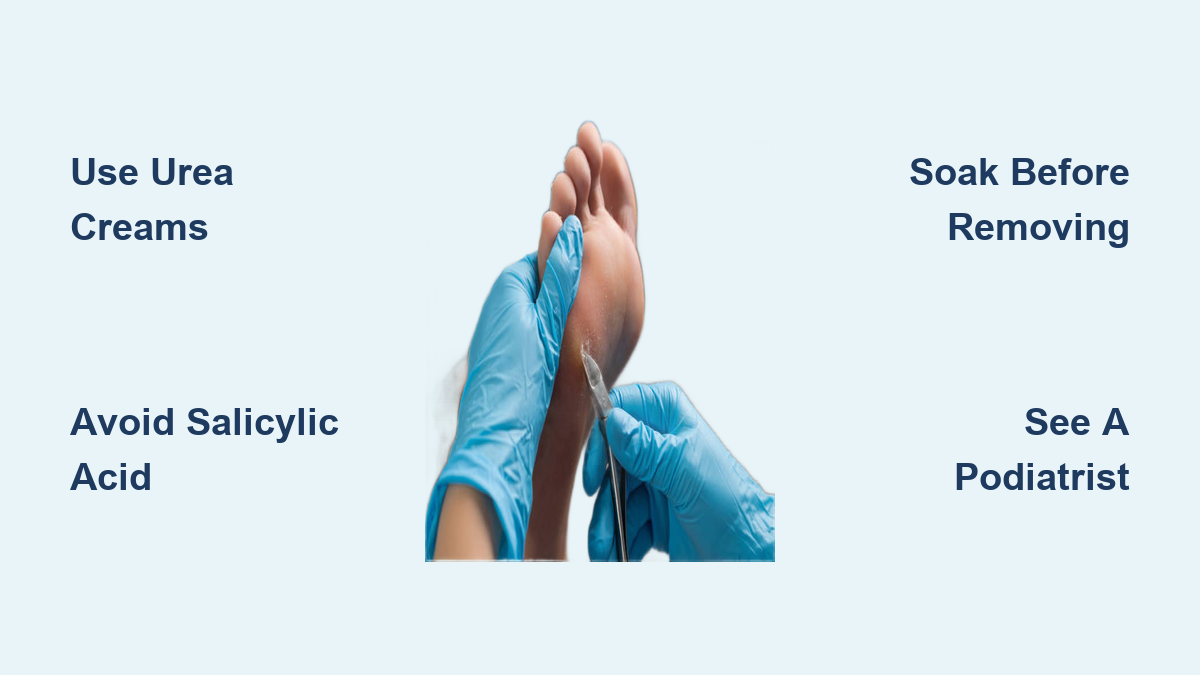
A podiatrist or dermatologist can safely debride thick skin, prescribe stronger creams, or recommend custom orthotics.
“If it hurts to walk or grip, don’t tough it out—get help.”
Build Long-Term Skin Resilience
Calluses aren’t the enemy—they’re proof of effort. The goal is functional skin, not baby-soft palms.
| Habit | Why It Matters |
|---|---|
| Moisturize daily | Keeps skin flexible, prevents cracking |
| File weekly | Controls thickness without removing protection |
| Use proper gear | Reduces friction and shear |
| Scale training | Allows skin to adapt gradually |
| Rest and recover | Prevents overuse damage |
Avoid these mistakes:
– ✘ Shaving off all callus—removes protection.
– ✘ Using dull tools—increases infection risk.
– ✘ Ignoring early redness—leads to tears.
– ✘ Wearing worn-out shoes or socks—adds pressure.
Sport-Specific Callus Prevention Tips
- Weightlifting & CrossFit: Tape thumb ridge, file weekly, break up high-rep sets.
- Rowing: Use hook attachments, wear sweatbands, moisturize daily.
- Gymnastics: Use grips, tape high-stress zones, manage volume.
- Cycling: Wear padded gloves, adjust bike fit, use insoles.
- Running: Replace shoes every 300–500 miles, wear moisture-wicking socks.
- Tennis: Change grip tape monthly, avoid overgripping.
Athlete’s Callus Prevention Checklist
✅ Daily
– Moisturize hands and feet (urea cream)
– Inspect skin for thickening or cracks
✅ Weekly
– Soak and file calluses gently
– Wash and rotate socks
– Check shoe wear
✅ Before Workouts
– Apply chalk correctly (no clumps)
– Use tape, grips, or gloves if needed
– Confirm hand/foot placement
✅ After Workouts
– Clean hands and feet
– Re-moisturize
– Treat micro-tears immediately
✅ Long-Term
– Increase volume gradually
– Replace worn shoes and insoles
– Strengthen grip to reduce slippage
– See a pro if pain or infection occurs
Calluses don’t have to sideline you. With consistent care, smart gear, and technique refinement, you can prevent painful tears and keep your skin strong. The goal isn’t soft hands—it’s resilient, functional skin that supports your training, not hinders it. Start these habits today, and train harder tomorrow—without fear of ripped palms or sore feet.