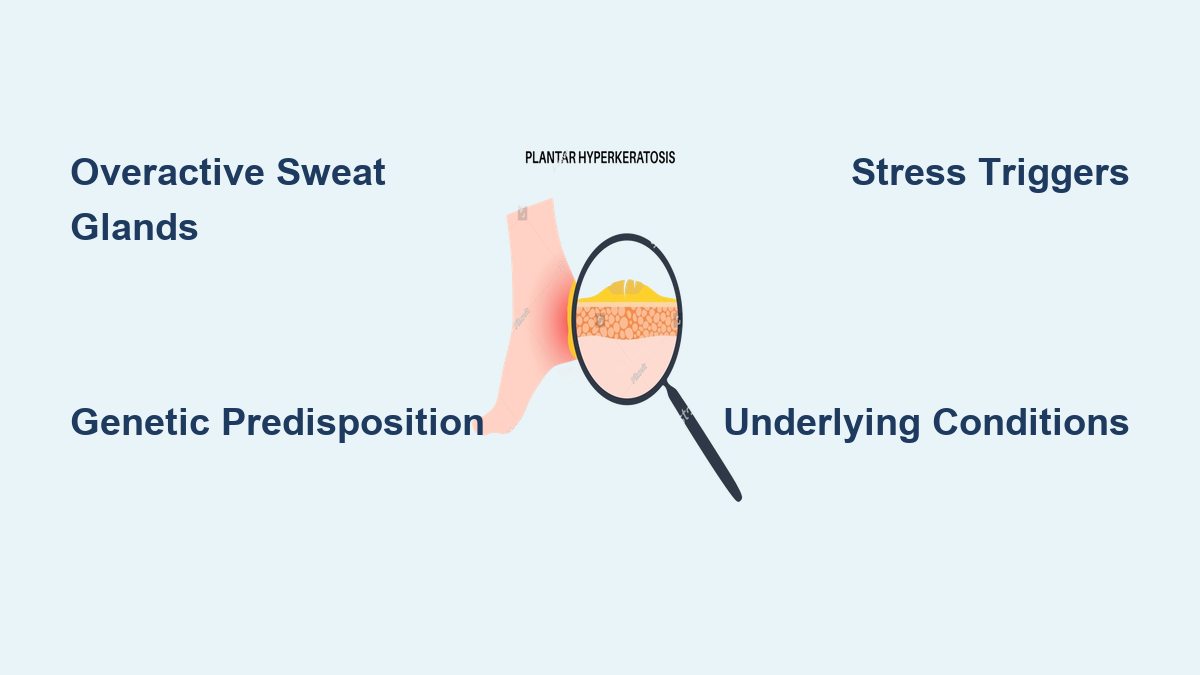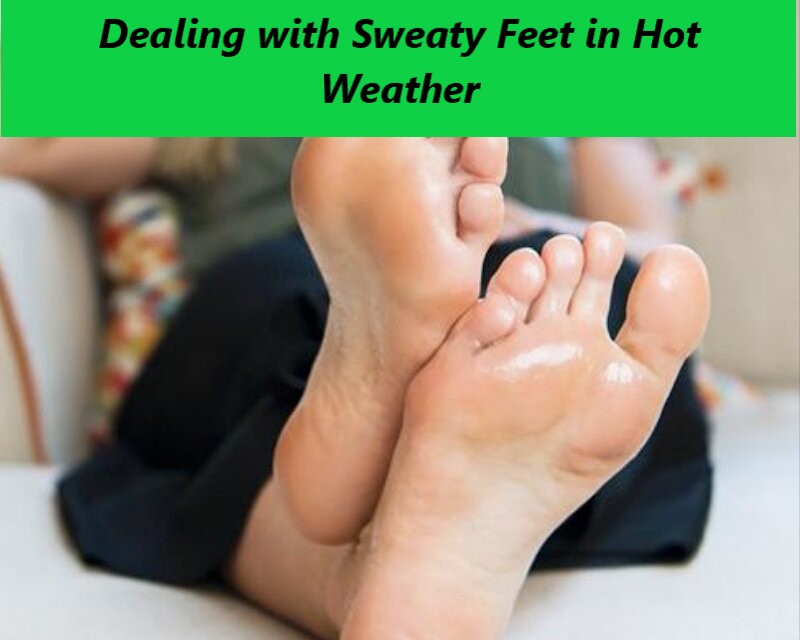
If you’ve ever slipped off your shoes and instantly regretted it, you’re not alone. Smelly feet and sweaty toes affect millions of people worldwide—yet it’s a topic many avoid discussing. The good news? Smelly feet (bromodosis) and excessive sweating (plantar hyperhidrosis) are highly manageable with the right approach. The foul odor isn’t from sweat itself, but from bacteria and fungi feeding on moisture and dead skin, producing smelly acids like isovaleric and propionic acid. With over 250,000 sweat glands per foot, your feet are the most sweat-prone part of your body. When sweat gets trapped in socks and shoes, it creates a breeding ground for microbes. The solution lies in a three-pronged strategy: kill odor-causing microbes, reduce sweat production, and prevent moisture buildup. This guide delivers science-backed, step-by-step solutions—from daily hygiene to medical treatments—so you can finally walk confidently, sock-free if you choose, with fresh, dry feet.
Wash Feet Daily with Antibacterial Soap
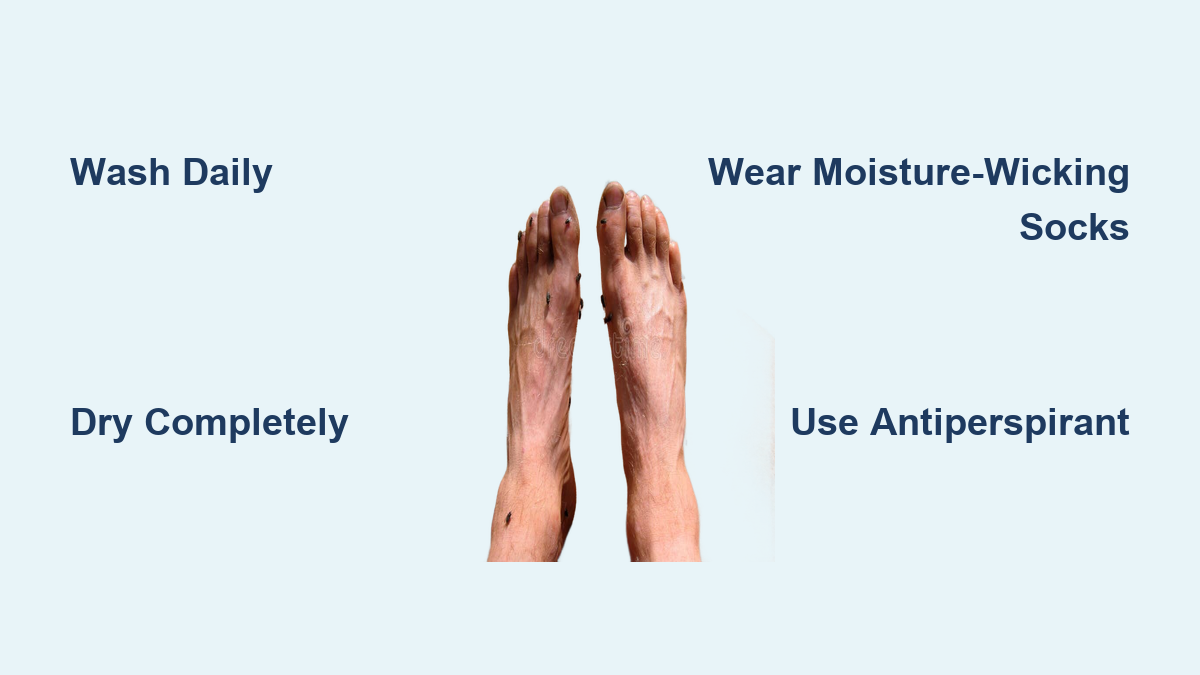
Washing your feet every day is the most effective way to stop odor at its source. Use lukewarm water and an antibacterial soap such as Dial®, Hibiclens, or Betadine to break down bacteria and remove sweat residue. Focus on high-risk zones: between the toes and under toenails, where bacteria thrive in warm, damp crevices. Gently scrub with a washcloth or foot brush to lift dead skin and debris. If you’re on your feet all day or exercise regularly, wash twice daily—once in the morning and again at night. Avoid harsh soaps that strip natural oils, which can lead to dry, cracked skin that traps more bacteria. Consistent washing reduces microbial load and prevents odor before it starts.
Dry Feet Completely After Every Wash
Moisture between your toes is a microbial paradise. After washing, dry your feet thoroughly using a clean, absorbent towel. Pay special attention to the interdigital spaces—the tight areas between your toes. For stubborn dampness, use a hairdryer on a cool setting to ensure every crevice is dry. Never go straight into socks or shoes with damp feet. This single step can cut odor by 50% or more within days. Wet skin softens the outer layer, making it easier for bacteria and fungi to invade. Complete drying is non-negotiable for lasting freshness.
Trim Toenails and Clean Underneath Regularly
Long or dirty toenails trap sweat, bacteria, and dead skin, contributing to both odor and infection risk. Trim nails straight across weekly to prevent ingrown toenails. Use a nail brush to clean underneath nails during washing. If you have diabetes, poor circulation, or neuropathy, avoid self-cutting—see a podiatrist or medical pedicurist for safe care. Proper nail hygiene prevents debris buildup and reduces the risk of fungal infections like onychomycosis, which causes thick, discolored nails and a persistent foul smell.
Exfoliate to Remove Bacteria-Friendly Dead Skin
Dead, hardened skin on heels and soles provides a food source for bacteria. Exfoliate 1–3 times per week using a pumice stone, foot file, or electric callus remover. This removes the top layer of bacteria-laden skin and keeps feet smooth. Don’t over-scrub—gentle pressure is enough. Follow up with a light moisturizer on heels and tops of feet, but avoid applying between toes, where moisture can lead to fungal growth.
Try a Black Tea Foot Soak to Reduce Sweating

Black tea contains tannic acid, which tightens pores and reduces sweating while killing bacteria. To use: Boil 2 tea bags per pint of water for 15 minutes, then mix with 2 quarts of cool water. Soak feet for 30 minutes daily for up to 7 days. Many report noticeable odor reduction within 3 days. This is especially effective for hyperhidrosis and can be repeated monthly for maintenance. Tannins in tea reduce sweat gland activity and create a less hospitable environment for microbes.
Use Vinegar Soaks to Kill Bacteria and Fungi
Vinegar changes the skin’s pH, making it hostile to odor-causing microbes. Mix 1 part white or apple cider vinegar with 2 parts water and soak feet for 15–20 minutes once a week. Do not use if you have cuts, blisters, or cracked skin, as vinegar can sting. After soaking, rinse and dry thoroughly. Vinegar is also effective against athlete’s foot fungi (tinea pedis), helping prevent peeling, itching, and redness between toes.
Soak in Epsom Salt to Draw Out Moisture
Epsom salt (magnesium sulfate) helps draw moisture from the skin, reducing dampness that fuels bacterial growth. Dissolve ½ cup in warm water and soak feet for 10–20 minutes. Use daily during flare-ups or weekly for prevention. Epsom salt also soothes tired, achy feet—making it a dual-purpose remedy. The drying effect helps keep skin less hospitable to microbes.
Neutralize Odor with Baking Soda Soaks or Sprinkles
Baking soda neutralizes acidic odors and balances skin pH. Add 3–4 tablespoons to warm water and soak feet for 15–20 minutes. You can also sprinkle a small amount directly into shoes or on feet before socks. Avoid overuse, as it may dry out skin. For a stronger effect, mix with hydrogen peroxide to form a paste and scrub heels. This combo gently exfoliates while deodorizing.
Apply Rubbing Alcohol After Showering

Wipe feet with isopropyl (70%) alcohol using a cotton ball after washing. Alcohol kills bacteria on contact and dries the skin quickly. Use it before putting on socks for immediate odor control. If your skin feels tight afterward, apply a non-greasy moisturizer to the heels and tops of feet—never between toes.
Use Cornstarch or Talcum Powder to Absorb Sweat
Sprinkle cornstarch, talcum powder, or baby powder into shoes and on feet to absorb moisture. Cornstarch is a natural, effective alternative that wicks sweat and reduces friction. Reapply during the day if needed. Avoid talcum powder if you have open sores or are concerned about long-term safety—cornstarch is a safer, equally effective option.
Wear Moisture-Wicking Socks, Not Cotton
Cotton socks may feel soft, but they absorb sweat and hold it against your skin, making odor worse. Switch to moisture-wicking materials like:
– Merino wool (Smartwool)
– Bamboo fiber
– CoolMax or Dri-FIT synthetics (Nike, Asics)
– Balega or Darn Tough socks
These fabrics pull sweat away from the skin and allow it to evaporate. They also resist bacterial growth better than cotton.
Change Socks at Least Once Daily
If your feet sweat heavily, change socks twice a day—once in the morning and again midday. Keep extra socks and a small towel in your bag for quick changes at work or school. Always put on clean, dry socks—never reuse damp ones. Fresh socks are a simple but powerful defense against odor buildup.
Choose Breathable Footwear to Prevent Trapped Heat
Avoid shoes made of rubber, plastic, or synthetic leather—they trap heat and moisture. Choose leather, canvas, or mesh shoes with ventilation panels. Look for athletic shoes labeled “breathable” or “moisture-wicking.” Open-toe sandals (when appropriate) allow maximum airflow and help feet stay dry.
Rotate Shoes Every Day for Complete Drying
Never wear the same pair two days in a row. Shoes need at least 24 hours to dry out completely. Own 2–3 pairs and rotate them throughout the week. This simple habit prevents bacteria and fungi from colonizing your footwear. Rotating shoes is one of the most overlooked yet effective odor-prevention strategies.
Air Out and Dry Shoes Properly After Each Use
After wearing, remove insoles and air shoes in a well-ventilated area. Insert crumpled newspaper or cedar shoe trees to absorb moisture. Avoid placing shoes near radiators—this can warp materials. For deep sanitizing, use a UV shoe sanitizer that kills 99.9% of bacteria and fungi.
Use Antiperspirant on Feet to Block Sweat Glands
Yes—you can use antiperspirant on your feet. Clinical-strength formulas with aluminum chloride hexahydrate block sweat glands. Apply at night to clean, dry feet for best absorption. Products like Dr. Scholl’s Odor-X No Sweat Dry Spray ($6.44) reduce sweat by up to 70% within days. Reapply every few days as needed. This is a game-changer for people with hyperhidrosis.
Apply Odor-Fighting Foot Powder Daily
Foot powders absorb moisture and inhibit bacterial growth. Top picks:
– Dr. Scholl’s Odor-X Ultra Odor-Fighting Foot Powder ($6.99)
– Zeasorb Antifungal Powder
– Tinactin Antifungal Powder
Sprinkle into shoes and on feet each morning. Reapply during the day if feet feel damp.
Spray Antifungal Solutions to Prevent Athlete’s Foot
If you’re prone to athlete’s foot or fungal nails, use a medicated spray or powder. Dr. Scholl’s Odor-X Athlete’s Foot Medicated Spray Powder ($6.99) treats and prevents fungal growth. Apply to feet, inside socks, and shoes. Use daily during outbreaks and 2–3 times weekly for prevention.
Try Probiotic Foot Sprays to Restore Microbial Balance
Newer options like Dr. Scholl’s Odor-X Foot Odor Probiotic Extract Spray ($11.99) use good bacteria to crowd out odor-causing microbes. Spray on feet and inside shoes. This helps restore microbial balance and reduce recurring smells—especially useful for chronic odor sufferers.
Disinfect Shoes Weekly to Eliminate Hidden Bacteria
Spray the inside of shoes with a disinfectant containing ethanol or silver ions. CleanSweep® ($20) eliminates 99.9% of odor-causing bacteria. Spray insoles and lining, then let shoes dry 24 hours before wearing. Do this once a week or after intense sweating.
See a Doctor If Home Remedies Fail After 2–4 Weeks
If consistent hygiene and OTC treatments don’t help within a month, it’s time to seek help. Persistent odor may signal fungal infection, hyperhidrosis, or underlying condition like diabetes or thyroid issues. A podiatrist or dermatologist can diagnose with skin scrapings or nail tests and prescribe targeted antifungals or antibiotics.
Consider Medical Treatments for Severe Sweating
When OTC products fail, prescription antiperspirants like Drysol or CertainDri (containing 10–20% aluminum chloride) can reduce sweating by 80% or more. For extreme cases, iontophoresis (electric current through water) or Botox injections (lasting 4–9 months) are FDA-approved options. Oral medications and surgery are last resorts due to side effects.
Final Note: Smelly feet and sweaty toes are common, not a personal failing. With consistent hygiene, smart footwear choices, and targeted treatments, you can eliminate odor and excess sweat for good. Start with daily washing, moisture-wicking socks, and foot antiperspirant. If that’s not enough, escalate to home soaks or medical options. The key is persistence—your feet will thank you, and so will your confidence.