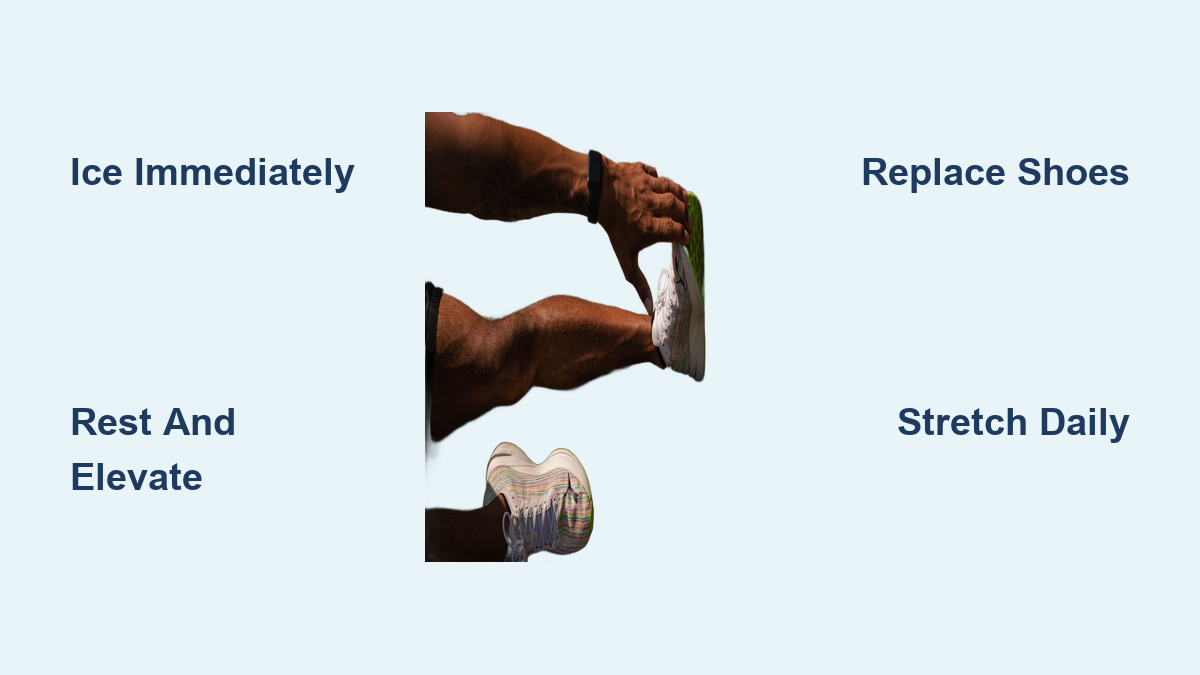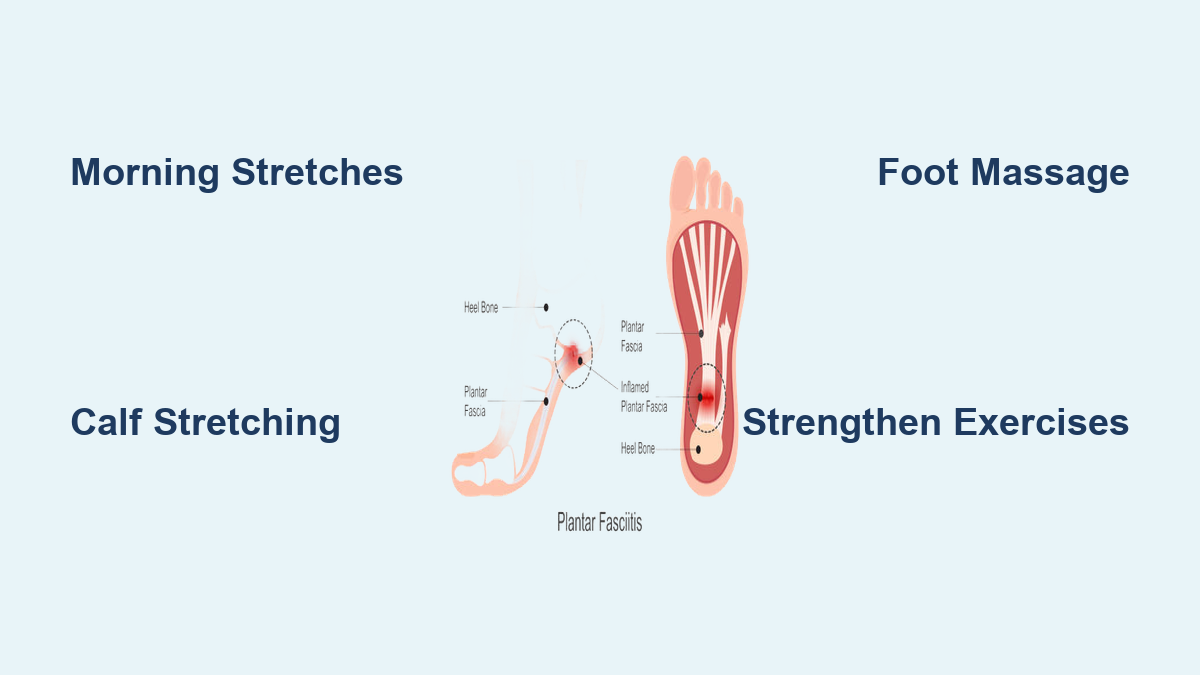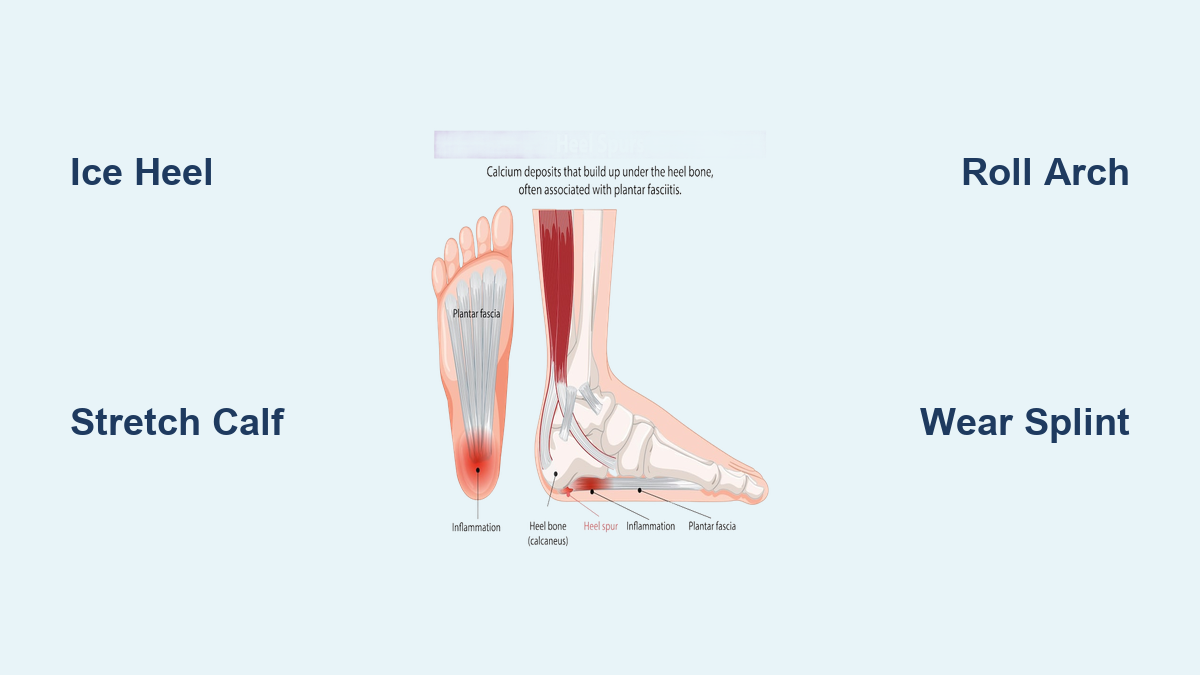
If you’ve ever stepped out of bed in the morning only to feel a sharp, stabbing pain in your heel, you’re not alone. Plantar fasciitis, the most common cause of heel pain, affects up to 10% of people during their lifetime. This condition occurs when the plantar fascia—the thick band of tissue that runs from your heel to your toes—becomes inflamed or develops microtears due to excessive strain. The result is intense discomfort, especially with those first steps after rest or prolonged sitting.
The good news? You don’t have to suffer for months. While untreated plantar fasciitis can last 6–18 months, consistent, targeted actions can bring fast relief—sometimes within days. The key is combining immediate pain control with active recovery strategies that address the real issue: your foot’s inability to handle mechanical load due to tightness, weakness, and poor biomechanics.
In this guide, you’ll discover a science-backed, step-by-step protocol to relieve plantar fasciitis pain fast, reduce morning agony, and prevent future flare-ups—starting today.
Immediate Pain Relief Tactics
When plantar fasciitis flares, your priority is calming inflammation and reducing discomfort. These proven methods deliver fast results.
Stop High-Impact Activities and Modify Movement
Overuse is the primary trigger. Continuing to run, jump, or stand for long periods on hard surfaces worsens microtears and delays healing.
Take action now:
– Pause high-impact activities like running, tennis, or pickleball during flare-ups.
– Switch to low-impact exercises such as swimming, cycling, or seated strength training.
– Limit standing time—take breaks every 30 minutes if you work on your feet.
– Avoid walking barefoot, even indoors—this increases strain on the plantar fascia.
You don’t need total rest, but you must reduce mechanical load. Even short sit-down breaks between standing tasks can significantly reduce pain.
Ice Your Heel to Reduce Inflammation
Cold therapy reduces swelling, numbs nerve pain, and interrupts the inflammation cycle—especially effective after activity or first thing in the morning.
Most effective methods:
– Frozen water bottle roll: Freeze a half-filled bottle and roll under your arch for 5–10 minutes. Combines massage with cooling.
– Ice pack on heel: Wrap ice in a towel and apply for 15–20 minutes, 3–4 times daily.
– Ice massage: Use a frozen paper cup to rub directly over the painful area until numb (5–10 minutes).
Pro tip: Ice before you stand in the morning. This numbs the tissue and blunts the pain of first steps.
Use NSAIDs for Short-Term Pain Control
Over-the-counter pain relievers like ibuprofen (Advil) or naproxen (Aleve) can reduce inflammation and make daily movement more bearable.
- Take as directed, for short-term use only (no more than 10 days without medical advice).
- These don’t heal the tissue but help manage pain while you perform stretches and exercises.
- Always pair NSAID use with rest, ice, and stretching for best results.
Avoid long-term use due to risks like stomach ulcers or kidney damage.
Apply the RICE Method During Flare-Ups
Though plantar fasciitis is a chronic overuse injury, RICE (Rest, Ice, Compression, Elevation) helps during acute pain episodes.
- Rest: Avoid aggravating activities.
- Ice: Apply cold therapy as above.
- Compression: Wear a supportive sock or compression sleeve to stabilize the foot.
- Elevation: Raise your foot above heart level when sitting to reduce fluid buildup.
Even without visible swelling, these steps reduce tissue stress and support faster recovery.
Fast-Acting Stretching Techniques
Stretching is one of the most effective ways to relieve plantar fasciitis pain—especially when done at strategic times.
Perform the Calf Stretch (Gastrocnemius)
Tight calf muscles pull on the Achilles tendon, which connects directly to the plantar fascia. Loosening them reduces tension.
How to do it:
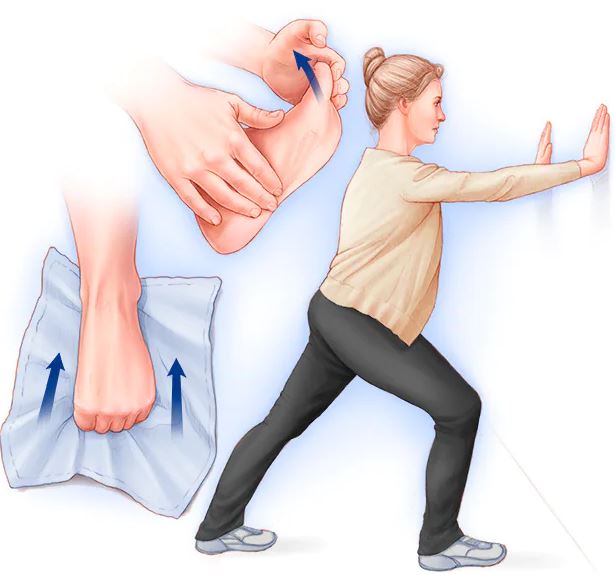
1. Stand facing a wall, hands at shoulder height.
2. Step one foot forward, the other back—keep the rear leg straight.
3. Bend the front knee and lean in until you feel a stretch in the upper calf.
4. Hold 15–30 seconds; repeat 2–3 sets per leg.
Do this 3 times daily, especially before getting out of bed.
Try the Soleus Stretch (Deep Calf)
The soleus, a deeper calf muscle, contributes to chronic tightness. This stretch targets it directly.
How to do it:
1. Start in the same wall position.
2. Bend both knees, keeping the back heel on the ground.
3. Lean forward until you feel a stretch lower in the calf, near the Achilles.
4. Hold 15–30 seconds; repeat 2–3 sets per leg.
Why it matters: The soleus is active during walking—tightness here directly increases plantar fascia strain.
Stretch Your Plantar Fascia Before First Steps
Morning pain happens because the tissue tightens overnight. Stretching before standing prevents microtears.
Plantar fascia stretch:
1. Sit on the edge of your bed.
2. Cross the affected foot over your knee.
3. Pull your toes back toward your shin until you feel a stretch along the arch.
4. Hold 15–30 seconds; repeat 3 times.
Do this immediately upon waking—before your feet touch the floor.
Use the Stair Stretch for Maximum Release
This powerful move combines calf and plantar fascia stretching in one.
How to do it:
1. Stand on a step with your heels hanging off.
2. Use your good leg to support you as you lower the affected heel.
3. Keep the leg straight for a gastrocnemius stretch, or slightly bent for soleus.
4. Hold 20 seconds; repeat 3 times per foot.
Use a railing for balance. This stretch mimics the load your foot feels during walking—preparing it to handle impact.
Self-Massage and Rolling Techniques
Soft tissue mobilization breaks up adhesions, improves blood flow, and reduces pain—fast.
Roll with a Tennis or Lacrosse Ball
Firm pressure on the arch releases tension and increases tissue pliability.
How to do it:
1. Sit in a chair.
2. Place a tennis, golf, or lacrosse ball under your arch.
3. Roll slowly from heel to ball of foot.
4. Pause on tender spots for 10–15 seconds.
5. Roll for 2–3 minutes per foot, 1–2 times daily.
Pro tip: Freeze the ball first—adds cryotherapy to the massage.
Use a Frozen Water Bottle for Dual Relief
A frozen water bottle ices and massages simultaneously.
- Sit and roll it under your foot for 5–10 minutes.
- Apply steady pressure—avoid sharp pain.
- Ideal for office workers or quick pain relief.
Try Dry Cupping for Faster Recovery
Dry cupping uses suction to lift tissue, increasing circulation and reducing stiffness.
- Apply 2–3 cups to the arch and heel.
- Leave on for 5–10 minutes.
- May cause temporary bruising—but many report rapid pain reduction.
Note: Use medical-grade silicone cups and follow instructions carefully.
Use a Spiky Massage Ball for Deep Release
Spiky balls (like the Chirp RPM or Tiger Tail) deliver deeper myofascial release.
- Roll for 5–10 minutes daily.
- Some users need 60–90 minutes over several days to fully release tight tissue.
- Can be used after a warm Epsom salt soak to enhance effect.
Strengthening to Prevent Recurrence
Stretching relieves pain—but strengthening prevents it from coming back. Weak foot muscles can’t support the arch, leading to overload.
Do the Shortfoot Exercise
This trains the intrinsic foot muscles to support the arch without toe gripping.
How to do it:
1. Sit with feet flat.
2. Pull the ball of your foot toward your heel—shortening the foot.
3. Keep toes flat on the ground.
4. Hold 5 seconds; repeat 3 sets of 30 reps daily.
Visual cue: The arch should rise without curling the toes.
Try Towel Curls and Marble Pickups
Simple but effective for rebuilding foot strength.
Towel curls:
– Place a towel on the floor.
– Use toes to drag it toward you.
– Do 10–15 reps per foot.
Marble pickups:
– Place 10 marbles on the floor.
– Pick them up one by one with your toes and drop into a cup.
– Do 10–15 reps.
These exercises reactivate weak muscles that have “shut down” due to pain.
Perform Heel Raises (Calf Strengthening)
Strong calves reduce load on the plantar fascia.
Phase 1: Standard Heel Raises
– Rise onto toes, then lower slowly (4 seconds down).
– 3 sets of 10–15 reps.
Phase 2: Supinated Heel Raises
– Squeeze a tennis ball between heels as you rise.
– Shifts weight to outer foot, improving alignment.
Phase 3: Deficit Heel Raises (Advanced)
– Stand on a step, lower heels below the edge.
– Increases range of motion and strength.
Key: The slow lowering phase rebuilds tendon strength.
Follow the Alfredson Protocol for Lasting Healing
This eccentric loading program is proven for chronic tendinopathy—including plantar fasciitis.
How to do it:
1. Stand on a step with affected foot.
2. Use your good leg to lift up.
3. Lower slowly (4 seconds) using both legs.
4. Do 3 sets of 15 reps, twice daily.
5. One set with straight knee (gastrocnemius), one with bent knee (soleus).
Commit to 3 months—this is not a quick fix, but it delivers lasting results.
Improve Balance with Single-Leg Stands
Better balance = better foot control during walking.
How to do it:
– Stand on the affected foot for 30–60 seconds.
– Do 3 sets, 3–5 times per week.
– Progress by reaching forward or side-to-side.
Advanced: Do it barefoot on uneven surfaces.
Supportive Devices That Work
Braces, inserts, and proper footwear aren’t just comfort—they’re treatment tools.
Wear a Night Splint
Night splints keep your foot flexed overnight, preventing the plantar fascia from tightening.
- Wear for 2–4 weeks or until morning pain stops.
- Can be worn for just 30 minutes if full-night use is uncomfortable.
- Over-the-counter versions work well—insurance may cover them.
Result: Many people report no morning pain within days of consistent use.
Use Effective Orthotics

Not all insoles are equal. Look for:
- Firm arch support (doesn’t collapse when pressed).
- Cushioned heel to absorb impact.
- Snug fit to prevent foot sliding.
Best options:
– Over-the-counter insoles (like Superfeet, Powerstep) – often as effective as custom ones.
– Custom orthotics – for severe flat feet or overpronation.
– Heel cups – add cushioning but less effective than full arch support.
Avoid: Magnetic or “energy” insoles—no scientific backing.
Choose the Right Shoes

Supportive footwear is non-negotiable.
Look for:
– Shoes with no visible wear on the sole.
– No flat or flexible soles—they offer no protection.
– Heel slightly elevated (like Dansko clogs) to reduce strain.
Recommended models:
– Dansko clogs: Elevate heel, reduce pull on fascia.
– Oofos recovery sandals: Excellent cushioning and arch support—ideal for indoors.
– Prince T22 tennis shoes + Sofsole Airr insoles: Great for sports.
Replace athletic shoes every 300–500 miles.
Never Walk Barefoot
Even at home, going barefoot increases strain.
- Keep supportive slippers or sandals beside your bed.
- Wear shower sandals to avoid hard floors.
- Use Oofos or Crocs-style recovery shoes indoors.
Final Note: Plantar fasciitis doesn’t have to be a long, painful journey. By combining immediate pain relief (ice, stretch, rest) with active recovery (strengthening, support, consistency), you can reduce pain fast and prevent it from returning. Stick with the protocol for at least 3–6 weeks—most people see major improvement within days. If pain persists, consult a podiatrist or physical therapist for advanced care.