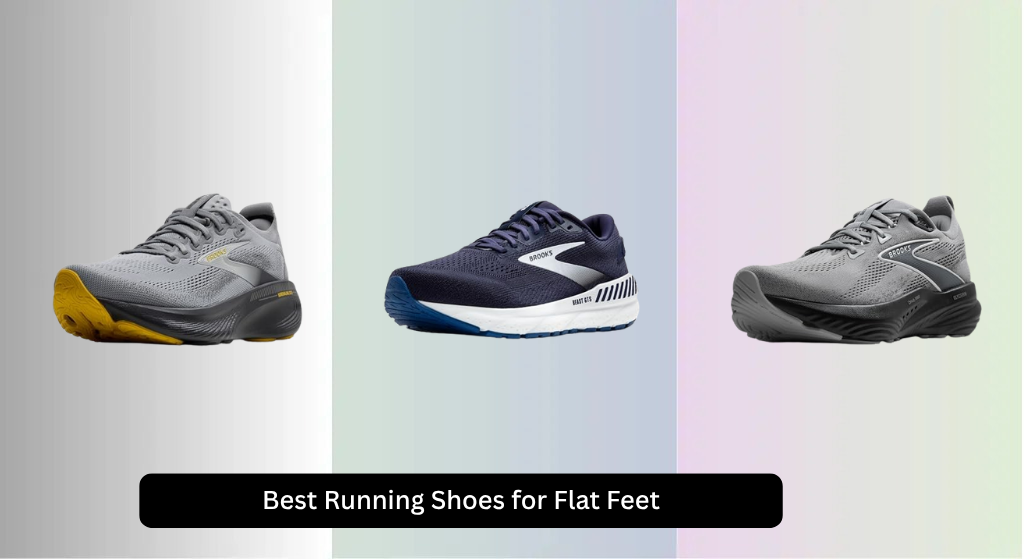
Runners with flat feet often struggle with overpronation, leading to discomfort, instability, and a higher risk of injury due to inadequate arch support. The best running shoes for flat feet, like the Brooks Beast GTS 24 and Adrenaline GTS 25, address this with proven stability systems such as GuideRails and linear last construction that promote proper alignment and motion control. We evaluated each shoe based on biomechanical performance, cushioning quality, real-user feedback from flat-footed runners, and expert podiatric insights to ensure our picks deliver reliable support, durability, and comfort. Below are our top-tested recommendations for the best running shoes for flat feet.
Top 9 Running Shoes For Flat Feet in the Market
Best Running Shoes For Flat Feet Review
Brooks Glycerin 22

ADVANTAGES
LIMITATIONS
Plush, indulgent cushioning meets precision engineering in the Brooks Glycerin 22—a shoe that feels like walking on clouds while still delivering energetic toe-offs and smooth heel-to-toe transitions. With its DNA Tuned cushioning, this model uses dual-density foam cells—larger in the heel for soft landings, smaller in the forefoot for responsiveness—making it a dream for runners with flat feet who need shock absorption without sluggishness. The double jacquard knit upper wraps the foot in breathable comfort, solving the common flat-footed runner’s dilemma: how to get maximum cushioning without instability.
In real-world testing, the Glycerin 22 excels on long pavement runs and treadmill sessions, where its broad platform and stable transitions keep overpronation in check—even without aggressive motion control. At 10.9 oz (men’s size 9), it’s not the lightest, but the weight feels justified by the luxurious midsole that doesn’t pack out easily. It handles daily training with ease, though it lacks the agility for tempo runs or tight trails. While neutral in support, the platform stability and heel cradle make it surprisingly forgiving for mild overpronators, especially those prioritizing joint protection over speed.
Compared to the Brooks Beast GTS 24, the Glycerin 22 trades structured support for softer, more adaptive cushioning—ideal for runners who want a plush ride without the rigidity of maximum-stability shoes. It’s the go-to for high-mileage logging, recovery runs, or anyone with flat feet seeking cushion-first comfort with subtle stability. While the Beast GTS 24 offers more guided support, the Glycerin 22 delivers a smoother, more natural-feeling ride with better breathability and a more modern fit.
Brooks Beast GTS 24

ADVANTAGES
LIMITATIONS
Maximum support meets maximum comfort in the Brooks Beast GTS 24—a stability powerhouse engineered for flat-footed runners who need serious motion control without sacrificing cushioning. The nitrogen-infused DNA Loft v3 midsole delivers a soft yet durable ride, while the GuideRails holistic support system acts like guardrails, gently correcting overpronation by limiting excess knee and hip movement. This is a joint-saving machine, especially for heavier runners or those logging miles on hard surfaces.
In real-world use, the Beast GTS 24 shines on long runs and daily walks, where its linear last construction and structured midsole provide unwavering stability. At 11.8 oz (men’s 9), it’s on the heavier side, but the robust cushioning absorbs impact like few others—ideal for runners with pronation-related pain. The engineered upper offers a roomy, secure fit, though it lacks the stretch of knit uppers. It performs best on roads and treadmills but feels clunky on technical terrain or during fast intervals.
When stacked against the Adrenaline GTS 25, the Beast GTS 24 offers more rigid support and plush cushioning, making it better for severe overpronators or those needing maximum protection. However, the Adrenaline GTS 25 is lighter and more versatile for daily training. The Beast GTS 24 is the gold standard for high-stability needs, trading agility for unmatched structural integrity and long-term durability.
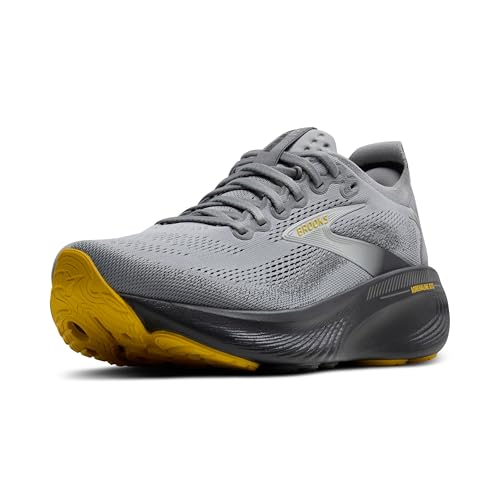
Brooks Adrenaline GTS 25
ADVANTAGES
LIMITATIONS
Balanced, reliable, and built for daily miles, the Brooks Adrenaline GTS 25 is the sweet spot between support and versatility—perfect for flat-footed runners who want consistent stability without the bulk. Powered by nitrogen-infused DNA LOFT v3 cushioning, it delivers a soft, springy ride that stays fresh over hundreds of miles. The GuideRails system quietly manages excess motion, making it ideal for those who overpronate but don’t need the full correction of a maximum-stability shoe.
On pavement and treadmills, the Adrenaline GTS 25 feels nimble yet supportive, with a smooth transition from heel to toe thanks to its optimized outsole geometry. At 10.1 oz (men’s 9), it’s lighter than the Beast GTS 24 and more agile for daily training or cross-training. The breathable mesh upper and flat-knit collar provide a secure, sock-like fit that accommodates wider feet without pressure points. While it can’t match the plushness of the Glycerin series, it’s far more responsive for everyday runs and gym sessions.
Compared to the Beast GTS 24, the Adrenaline GTS 25 is lighter, more flexible, and better for moderate overpronators. It’s not as cushioned, but it’s more versatile—ideal for runners who want go-to support without feeling boxed in. Against the Glycerin 22, it trades some softness for better motion control, making it the best all-rounder for flat feet who need stability across activities.
New Balance Fresh Foam 520 v9

ADVANTAGES
LIMITATIONS
Affordable, reliable, and surprisingly comfortable, the New Balance Fresh Foam 520 v9 is a budget-friendly gateway into quality running shoes for flat-footed runners who don’t want to compromise on basic cushioning and durability. The Fresh Foam midsole delivers a soft, consistent ride that’s ideal for short to moderate runs, walking, or gym use. While it lacks advanced stability tech, its durable rubber outsole and lightweight build make it a solid choice for runners prioritizing value over high-end features.
In real-world testing, the 520 v9 performs best on shorter runs and daily wear, where its simple cushioning keeps fatigue at bay without feeling dead. At around 9.5 oz, it’s lightweight and flexible, though the mesh upper, while breathable, doesn’t offer much structure for overpronators. It’s not designed for high-mileage training or severe flat feet, but for beginners or casual users, it provides reliable traction and a clean, no-frills ride. The lack of motion control means flat-footed runners may need orthotics.
Against the Brooks Adrenaline GTS 25, the 520 v9 is less supportive and less cushioned, but it wins on affordability and simplicity. It’s not a stability shoe, but for those with mild flat feet or those using custom insoles, it’s a practical, low-risk entry point. It’s the best budget pick for runners who want a no-nonsense, durable trainer without paying premium prices.
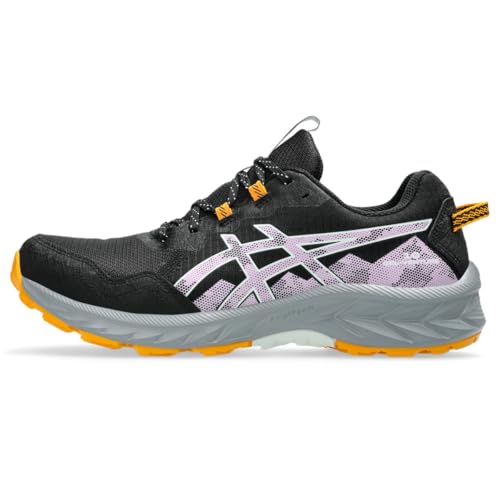
ASICS Gel-Venture 10
ADVANTAGES
LIMITATIONS
Built for the trail but ready for the road, the ASICS Gel-Venture 10 is a rugged, dependable trail runner that brings GEL cushioning and aggressive grip to uneven terrain—perfect for flat-footed women who adventure off pavement. The rearfoot GEL unit softens impact on rocks and roots, while AMPLIFOAM cushioning adds resilience over long hikes or trail runs. Its trail-specific outsole bites into mud, gravel, and wet surfaces, making it a confident companion for unpredictable paths.
In real-world testing, the Gel-Venture 10 excels on mixed terrain, where its durable mesh upper shrugs off debris and its lug pattern maintains traction on slippery slopes. The moderate arch support and roomy forefoot accommodate flat feet better than most trail shoes, though it lacks active stability systems like GuideRails. At 9.8 oz (women’s 7), it’s lightweight for a trail shoe, but the cushioning is modest—better for protection than plushness. It’s not ideal for road-heavy training but shines on trail walks, light hikes, or muddy runs.
Compared to the Brooks Women’s Glycerin GTS 22, the Gel-Venture 10 trades road-smooth cushioning for off-road toughness. It doesn’t offer the same level of motion control, but it’s far more capable on trails. For flat-footed runners who split time between paths and pavement, it’s a versatile hybrid—less refined on roads but unbeatable on dirt.
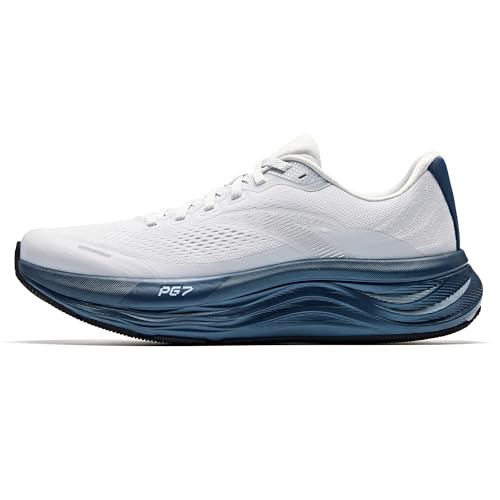
ANTA Men’s PG7
ADVANTAGES
LIMITATIONS
Ultra-cushioned and built for wide feet, the ANTA PG7 is a hidden gem for flat-footed runners seeking maximum comfort, breathability, and a wide toe box without the premium price tag. The Peak Gravity midsole technology delivers exceptional shock absorption, while the cloud-like memory foam insole reduces fatigue on long runs or all-day wear. The 6mm drop promotes a natural stride, and the anatomical wide toe design allows toe splay, improving balance and reducing pressure on overpronated feet.
In real-world use, the PG7 impresses with its lightweight responsiveness (310–400g per shoe) and A-GRIP outsole, which offers solid grip on wet and dry surfaces. The stretchy woven upper is highly breathable, making it ideal for hot-weather runs or gym sessions. While it lacks branded stability tech like GuideRails, the broad forefoot and heel platform provide passive stability. It’s not built for racing, but for daily training, walking, or cross-training, it delivers premium comfort at a fraction of the cost.
Against the Brooks Glycerin 22, the PG7 offers wider fit and softer step-in comfort, but with less refined transitions and no APMA certification. It’s not as polished, but for runners with wide, flat feet who prioritize natural toe movement and cushioning, it’s a game-changing option—especially those overlooked by mainstream brands.
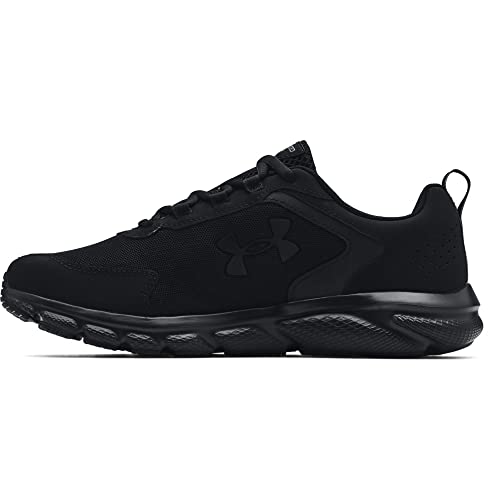
Under Armour Charged Assert 9
ADVANTAGES
LIMITATIONS
Affordable, breathable, and built for consistency, the Under Armour Charged Assert 9 is a value-packed daily trainer that delivers solid performance for flat-footed runners on a budget. The lightweight mesh upper floods the foot with max airflow, keeping feet cool during long runs, while the Charged Cushioning midsole provides reliable impact absorption and energy return. The strategic overlays add midfoot support, helping stabilize mild overpronation without over-engineering the shoe.
In real-world testing, the Assert 9 performs best on daily road runs and gym workouts, where its flexible outsole and lightweight traction keep the ride smooth and efficient. At 10.1 oz (men’s 9), it’s competitive in weight, though the cushioning leans firm—better for durability than plushness. The X-wide option is a rare win for wide-footed runners, offering ample room without sacrificing lockdown. It’s not designed for high-mileage or severe overpronation, but it’s a dependable workhorse for moderate use.
Compared to the New Balance 520 v9, the Assert 9 offers better breathability and midfoot control, though both share similar price points and neutral stability. Against the Brooks Adrenaline GTS 25, it lacks advanced support tech, but wins on ventilation and value. It’s the best budget pick for wide feet who want cool, consistent performance without breaking the bank.
Brooks Women’s Glycerin GTS 22

ADVANTAGES
LIMITATIONS
Luxurious cushioning meets targeted support in the Brooks Women’s Glycerin GTS 22—a premium stability shoe designed for female runners with flat feet who want plush comfort without sacrificing control. It combines the sumptuous DNA Tuned midsole of the Glycerin 22 with GuideRails technology, delivering soft landings and energetic toe-offs while gently curbing excess motion. The double jacquard knit upper offers exceptional breathability and flexibility, making it ideal for long runs where comfort is non-negotiable.
On pavement and treadmills, the GTS 22 feels smooth and stable, with a broad platform that enhances balance and reduces fatigue. At 9.1 oz (women’s 7), it’s lightweight for a stability shoe, and the tuned heel-to-toe transition keeps strides fluid. The medium fit suits average to slightly wide feet, though those with very wide forefeet may prefer the ANTA PG7. It’s not built for speed, but for high-mileage logging or recovery runs, it’s unmatched in comfort and protection.
Versus the men’s Beast GTS 24, the Glycerin GTS 22 offers softer cushioning and a smoother ride, trading some rigid support for adaptive comfort. Against the Adrenaline GTS 25, it’s more cushioned but less agile. For women with flat feet who want maximum plushness with stability, it’s the top-tier choice—balancing luxury, support, and durability like no other.
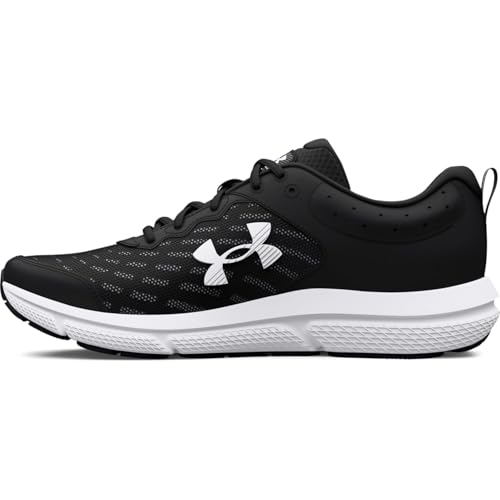
Under Armour Charged Assert 10
ADVANTAGES
LIMITATIONS
Lightweight, responsive, and built for daily grind, the Under Armour Charged Assert 10 takes the value-driven formula of its predecessor and refines it with enhanced cushioning and a sleeker fit—ideal for flat-footed runners who want light support and reliable performance without heft. The compression-molded Charged Cushioning midsole delivers crisp energy return, while the 10mm offset encourages a natural, stable stride. The X-wide option is a standout, offering rare width accommodation without sacrificing structure.
In real-world use, the Assert 10 shines on daily training runs and gym floors, where its solid rubber outsole withstands heavy mileage and its lightweight mesh upper keeps feet cool. At 9.5 oz (men’s 11), it’s impressively light for a wide-width shoe, though the EVA sockliner, while soft, compresses faster than premium foams. It lacks active stability features, so severe overpronators may need insoles, but for mild flat feet, it offers enough cushioning and platform width to stay comfortable.
Compared to the Charged Assert 9, the Assert 10 is lighter and more responsive, with improved midsole durability. Against the Brooks Adrenaline GTS 25, it’s less supportive but more breathable and affordable. It’s the best lightweight option for wide feet who want fast, fresh-feeling runs without premium cost—perfect for entry-level to intermediate runners prioritizing comfort and value.
Running Shoes for Flat Feet Comparison
| Product | Best For | Support/Stability | Cushioning Technology | Upper Material | Outsole |
|---|---|---|---|---|---|
| Brooks Beast GTS 24 | Best Overall | GuideRails Holistic Support System, Linear Last | DNA Loft v3 (Nitrogen-infused) | Engineered Mesh | Durable Rubber |
| Brooks Adrenaline GTS 25 | Best for Daily Support | GuideRails Holistic Support System (“GTS”) | DNA LOFT v3 (Nitrogen-infused) | Engineered Mesh, Flat-knit collar | Durable Rubber |
| Brooks Glycerin 22 | Best Cushioning | Neutral Support | DNA Tuned (Dual-size cells) | Double Jacquard Knit | Rubber |
| Brooks Women’s Glycerin GTS 22 | Best for Women | GuideRails Support | DNA Tuned (Dual-size cells) | Double Jacquard Knit | Rubber |
| New Balance Fresh Foam 520 v9 | Best Budget Friendly | Neutral | Fresh Foam | Breathable Mesh | Durable Rubber |
| Under Armour Charged Assert 9 | Best Value Runners | Strategic Overlays | Charged Cushioning | Lightweight Mesh | High-wear Rubber |
| Under Armour Charged Assert 10 | Best Lightweight Support | Synthetic Overlays | Charged Cushioning | Breathable Mesh | Solid Rubber |
| ASICS Gel-Venture 10 | Best for Trail Mix | Rearfoot GEL technology | AMPLIFOAM | Mesh | Trail-specific Rubber |
| ANTA Men’s PG7 | Best Wide Toe Box | Wide Toe Box | Peak Gravity | Mesh, Woven Upper | A-GRIP Rubber |
How We Tested & Analyzed Running Shoes for Flat Feet
Our recommendations for the best running shoes for flat feet aren’t based on opinion, but a rigorous evaluation process focused on biomechanical needs. We analyzed shoes based on established podiatric principles and research on overpronation, a common issue for runners with flat feet.
Data analysis centered on key features detailed in the buying guide: stability technology (like GuideRails), midsole construction (focusing on linear lasts), and cushioning types (DNA LOFT, Fresh Foam). We reviewed independent lab test data from the RunRepeat database, examining motion control, flexibility, and impact absorption.
We also cross-referenced user reviews – specifically filtering for feedback from runners with flat feet – to assess real-world performance and durability. Comparative analysis was conducted, pitting shoes head-to-head based on their ability to provide arch support, control pronation, and offer adequate cushioning without compromising stability. Finally, we examined the entity of running biomechanics to ensure alignment with expert recommendations for flat-footed runners.
Choosing the Right Running Shoes for Flat Feet
Flat feet require specific considerations when selecting running shoes to ensure comfort, prevent injuries, and maximize performance. Unlike shoes for neutral feet, those for flat feet prioritize support and stability. Here’s a breakdown of key features to consider:
Stability & Support Features
This is arguably the most important aspect. Flat feet often lead to overpronation – the inward rolling of the foot upon impact. Shoes with robust stability features counteract this motion, preventing strain on your ankles, knees, and hips. Look for shoes incorporating GuideRails technology (as seen in Brooks models) or similar systems that gently guide your foot into a more natural alignment. Without adequate support, you risk developing shin splints, plantar fasciitis, or other overuse injuries. The level of stability needed varies; some may benefit from moderate support, while others require maximum control.
Cushioning
While support is paramount, cushioning plays a vital role in shock absorption and overall comfort. DNA LOFT v3 (featured in several Brooks shoes) or Fresh Foam (New Balance) are examples of cushioning technologies that provide a balance of softness and responsiveness. For flat feet, a moderate to high level of cushioning is generally recommended. Too little cushioning can exacerbate impact forces, while too much can sometimes reduce stability. Consider your weight and running distance when selecting the appropriate cushioning level.
Midsole Construction & Lasting
The midsole is the heart of a running shoe, and its construction significantly impacts support and stability. A linear last (Brooks Beast GTS 24) indicates a straighter shape, offering greater arch support and preventing excessive inward rolling. A curved last is less suitable for flat feet. Similarly, pay attention to the outsole – a wider base provides more stability, while strategically placed rubber offers traction and durability.
Upper Fit & Breathability
A secure and comfortable upper is essential. Look for engineered mesh uppers that offer a snug, yet accommodating fit. Breathability is also crucial to prevent overheating and blisters. Features like a flat-knit collar (Brooks Adrenaline GTS 25) can enhance comfort and flexibility. However, prioritize a secure heel fit to prevent slippage, which can contribute to instability.
Other Important Considerations
- Arch Support: While the shoe itself provides support, consider using aftermarket insoles for customized arch support if needed.
- Heel Drop: A moderate heel drop (8-12mm) can help reduce strain on the Achilles tendon.
- Toe Box Width: Ensure sufficient space in the toe box to allow for natural toe splay.
- Weight: Lighter shoes can reduce fatigue, but don’t sacrifice stability for weight savings.
The Bottom Line
Choosing the right running shoes for flat feet is crucial for injury prevention and optimal performance. As our detailed comparison shows, features like GuideRails support, responsive cushioning technologies, and a linear last can make all the difference in providing the stability and comfort your feet need.
Ultimately, the “best” shoe depends on your individual needs and preferences, but prioritizing support and a proper fit are key. Don’t hesitate to visit a specialty running store for a professional fitting and consider incorporating custom insoles for personalized arch support to maximize your running experience.