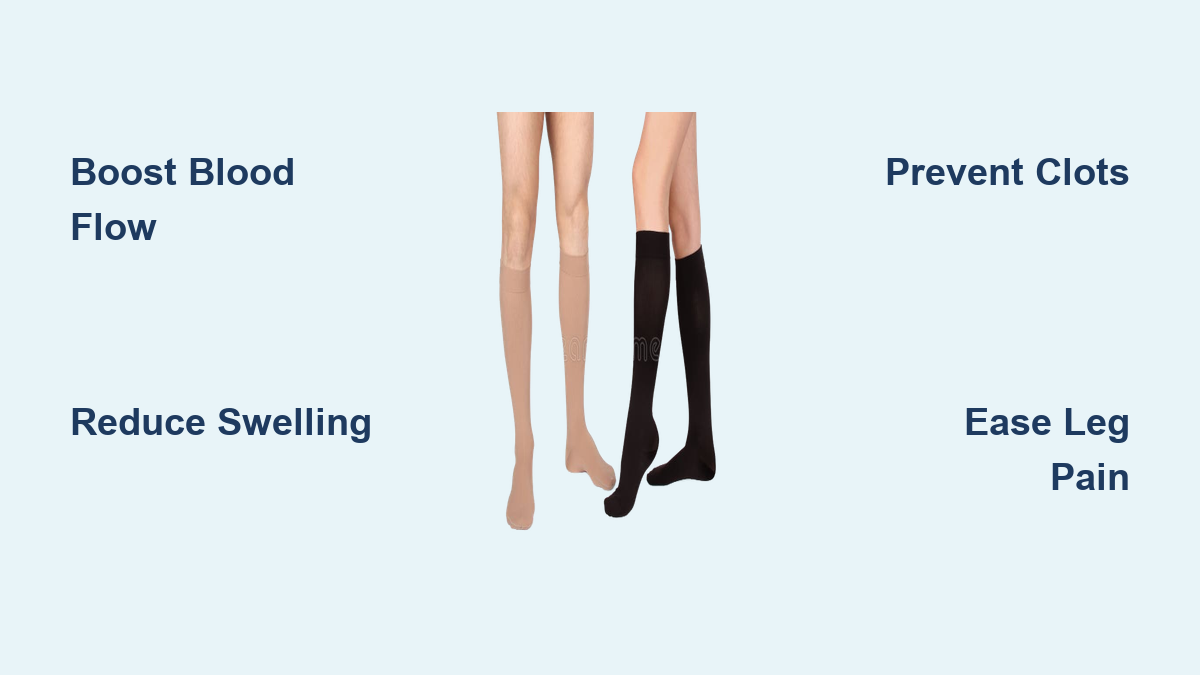
If your legs feel heavy, achy, or swollen by the end of the day—especially after sitting at a desk or standing on your feet for hours—you’re not alone. Millions of people experience poor circulation, fluid retention, and muscle fatigue due to modern lifestyles and medical conditions. One simple, drug-free solution? Wearing compression socks daily. These specially designed garments apply graduated pressure—tightest at the ankle and gradually looser toward the calf—to boost blood flow, reduce swelling, and support long-term leg health.
Used by athletes, travelers, medical professionals, and individuals managing chronic conditions, compression socks are more than just a recovery tool—they’re a proactive step toward better circulation and overall well-being. Backed by clinical research and recommended by vascular specialists, daily wear can lead to noticeable improvements in energy, comfort, and mobility. Whether you’re a nurse on 12-hour shifts, a frequent flyer, or someone managing varicose veins, the benefits of wearing compression socks every day are real and measurable. Below, we break down the top science-supported advantages, who should use them, and how to get the most from your pair.
Boost Blood Flow and Prevent Circulation Problems

Improved circulation is the foundation of all other benefits. When you wear compression socks daily, you support your body’s natural “calf pump”—the mechanism that helps push blood back to your heart. Without this support, blood can pool in your legs, leading to sluggish circulation, fatigue, and long-term vein damage.
Compression works by gently squeezing the veins, arteries, and muscles in your lower legs. This pressure reduces vein diameter and increases blood velocity, helping deoxygenated blood return efficiently. Over time, consistent use enhances microcirculation, delivering more oxygen to tissues and removing metabolic waste faster. You may notice less leg heaviness, fewer cramps, and improved endurance—especially if you sit or stand for prolonged periods.
Who Needs Better Circulation Most?
- Office workers who sit for 8+ hours
- Healthcare staff on their feet all day
- Pregnant individuals with slowed blood flow
- Older adults with age-related circulatory decline
Even healthy users report feeling more energized and alert during long workdays.
Reduce Leg Swelling and Fluid Buildup

Swollen ankles and puffy calves—known as edema—are common signs of fluid retention. This often happens after long flights, pregnancy, or extended standing. Compression socks help prevent and manage this by applying consistent external pressure that reduces capillary leakage and supports lymphatic drainage.
Without compression, slow blood flow allows fluid to seep into surrounding tissues. The graduated pressure in these socks keeps fluid moving back into circulation instead of accumulating. For those with lymphedema or chronic venous insufficiency (CVI), daily use is a standard part of treatment. But even mild compression (15–20 mmHg) can prevent travel-related puffiness or end-of-day bloating in otherwise healthy people.
Signs Compression Is Working
- Shoes feel less tight by evening
- Less indentation when pressing on the shin
- Faster reduction of swelling after rest
Long-term, this can prevent skin thickening and discoloration caused by chronic edema.
Ease Leg Aches, Fatigue, and Cramping
Persistent leg discomfort—aching, heaviness, cramping—is often a sign of poor circulation. Daily compression sock use offers fast, non-invasive relief. By stabilizing calf muscles and reducing vibration during movement, these socks act like built-in support, preserving energy and minimizing micro-tears from repetitive strain.
Many users, especially nurses, teachers, and retail workers, report feeling lighter on their feet within hours of putting them on. Compression also helps prevent nocturnal leg cramps, which are often triggered by fluid shifts and poor circulation. Wearing socks first thing in the morning—before swelling starts—maximizes their effectiveness.
Slow the Progression of Varicose Veins
Varicose veins aren’t just a cosmetic concern—they signal weakened vein valves. In chronic venous insufficiency, blood flows backward and pools, causing veins to bulge. Compression socks apply external pressure that helps keep blood moving upward, reducing pressure in the veins.
While they won’t eliminate existing varicose veins, they can:
– Reduce throbbing and swelling
– Prevent new veins from forming
– Delay the need for medical procedures
A 2001 study found pregnant women who wore compression socks had significantly fewer varicose veins than those who didn’t—making early use a smart preventive strategy.
Lower Your Risk of Dangerous Blood Clots
One of the most critical benefits of daily wear is reducing the risk of deep vein thrombosis (DVT), a condition where clots form in deep leg veins. If a clot breaks loose, it can travel to the lungs, causing a life-threatening pulmonary embolism.
Immobility—from long flights, surgery, or bed rest—slows circulation and increases clot risk. Compression socks prevent blood from pooling, keeping it moving even when you’re inactive. They’re standard care for:
– Post-surgical patients
– Long-haul travelers (>4 hours)
– Individuals with clotting disorders
The CDC and vascular experts recommend compression for high-risk groups, especially those over 40, postpartum, or recovering from joint replacement.
Speed Up Athletic Recovery and Reduce Soreness

Athletes wear compression socks not just for performance—but to recover faster. After intense exercise, metabolic waste like lactic acid builds up in muscles, causing soreness. Compression improves blood flow, helping clear these byproducts more quickly.
A 2022 study confirmed that athletes wearing compression socks post-exercise experienced faster recovery—thanks to real physiological changes, not just placebo. Compression also reduces muscle oscillation, the small vibrations that occur with each foot strike. Less vibration means fewer micro-tears, leading to:
– Reduced delayed onset muscle soreness (DOMS)
– Faster return to training
– Improved readiness for competition
Best for runners, cyclists, and team sport players using 20–30 mmHg compression.
Manage Chronic Conditions Like CVI and Lymphedema
For those with long-term health issues, compression socks are often part of a treatment plan.
Chronic Venous Insufficiency (CVI)
CVI causes blood to pool, leading to swelling, skin changes, and ulcers. Compression is the first-line treatment, reducing vein pressure and preventing complications. Daily wear slows disease progression and improves skin health.
Lymphedema
Common after cancer surgery, lymphedema causes severe swelling due to impaired drainage. Firm compression (30–40 mmHg) helps move fluid and prevent tissue hardening. These garments must be custom-fitted and worn daily.
Post-Thrombotic Syndrome (PTS)
After a DVT, many develop PTS—chronic pain, swelling, and skin ulcers. Compression reduces symptoms and improves quality of life.
Also helpful for POTS and diabetes-related edema—but always consult your doctor first.
Improve Focus and Mental Clarity During Long Sitting
A 2018 study found that wearing compression socks during prolonged sitting improved parasympathetic nervous system activity, linked to relaxation and focus. Participants reported:
– Less physical discomfort
– Better concentration
– Improved mood
This makes them ideal for remote workers, students, and long-haul drivers. Better leg comfort means fewer distractions and sharper mental performance.
Enhance Sleep by Reducing Nighttime Leg Cramps
Daily compression helps regulate fluid balance, reducing the frequency of painful nighttime leg cramps. People with restless leg syndrome (RLS) or tingling at night also report improvements due to better blood flow.
Important: Remove compression socks before bed unless directed by a doctor. Overnight wear is only for specific medical cases.
Choose the Right Compression Level for Your Needs

Not all socks are equal. Pressure is measured in mmHg, and using the wrong level can reduce benefits or cause harm.
| Level | Use Case |
|---|---|
| 8–15 mmHg (Mild) | Daily comfort, travel, mild fatigue |
| 15–20 mmHg (Moderate) | Pregnancy, mild swelling, varicose veins |
| 20–30 mmHg (Firm) | CVI, moderate edema, DVT prevention |
| 30–40 mmHg (Extra Firm) | Severe edema, lymphedema (prescription only) |
Over-the-counter socks usually max out at 20 mmHg. Always choose graduated compression—never uniform pressure.
Wear Them Correctly for Maximum Effect
Put compression socks on first thing in the morning, before your legs swell. Use rubber gloves or a donning aid for easier application. Avoid rolling the top down—it creates a tourniquet effect.
Wear them 8–16 hours daily, remove at night, and replace every 3–6 months as elasticity fades.
Know When to Avoid Compression Socks
They’re not for everyone. Avoid if you have:
– Severe peripheral arterial disease (PAD)
– Untreated heart failure
– Advanced neuropathy
– Open wounds or infections
– Severe leg deformities
When in doubt, consult your doctor—especially with diabetes or heart conditions.
Prevent Skin Irritation and Side Effects
Wash socks daily, moisturize your skin (but not right before wearing), and inspect legs nightly for redness or sores. Stop use and see a doctor if you experience numbness, cool feet, or skin ulcers.
Final Note: Wearing compression socks daily offers real, science-backed benefits—from reducing swelling and preventing blood clots to boosting recovery and mental focus. Choose the right compression level, put them on first thing in the morning, and replace them every few months. Always consult a healthcare provider if you have underlying health concerns. With consistent use, compression socks become more than a garment—they become a daily health habit.