Slipping into a pair of high heels can instantly elevate your posture, confidence, and style. But beneath the polished exterior lies a hidden cost: every step in elevated footwear triggers a cascade of biomechanical changes that, over time, reshape your feet and strain your entire body. The long term effects of wearing high heels on feet are not just temporary discomforts—they’re progressive, often irreversible changes that can lead to chronic pain, structural deformities, and mobility issues. From bunions and hammertoes to shortened tendons and spinal misalignment, the damage extends far beyond sore soles.
When you wear high heels, your body weight shifts forward, forcing up to 75% more pressure onto the ball of your foot than in flat, supportive shoes. This unnatural load, combined with narrow toe boxes and restricted movement, disrupts the foot’s natural gait cycle. Over months and years, this repetitive stress leads to muscle imbalances, joint degeneration, and permanent anatomical changes. What starts as a fashion statement can evolve into lifelong foot problems—many of which require medical intervention. The good news? Most of these outcomes are preventable. By understanding the risks and making smarter footwear choices, you can protect your feet without completely giving up heels.
Foot Deformities Caused by Years of High Heel Use

Prolonged high heel wear doesn’t just squeeze your toes—it physically alters the structure of your feet. The combination of an elevated heel and narrow toe box forces the forefoot into a compressed, unnatural position, setting the stage for permanent deformities.
Bunions and the Inward Drift of the Big Toe
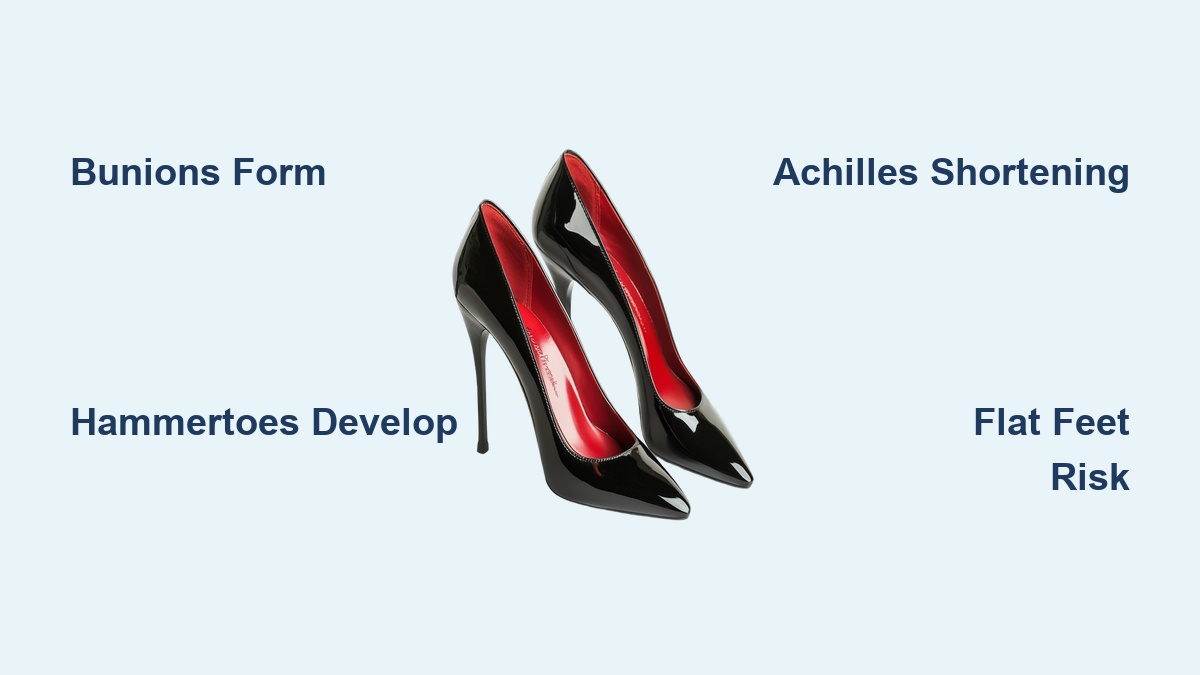
A bunion (hallux valgus) is one of the most visible and painful long-term consequences of frequent heel wear. It develops when the big toe gradually angles inward toward the second toe, creating a prominent, often swollen bump at the base joint. This misalignment occurs because narrow, pointed shoes compress the front of the foot, pushing the first metatarsal bone outward. As the deformity worsens, it can become so severe that finding comfortable footwear becomes nearly impossible. Women who wear heels daily are at significantly higher risk, and once a bunion forms, it rarely resolves on its own—many eventually require surgery to correct.
Hammertoes: When Toes Become Permanently Bent
Hammertoes occur when the middle joint of a toe—typically the second, third, or fourth—locks into a bent, claw-like position. This happens due to a muscle imbalance: the flexor muscles in the toes shorten from being constantly contracted in high heels, while the opposing extensor muscles weaken. Over time, the joint loses flexibility and may become rigid. Shoes rub against the raised portion of the toe, leading to painful corns and calluses. Early-stage hammertoes can sometimes be reversed with proper footwear and stretching, but left untreated, they often become fixed and may require surgical correction.
Calluses, Corns, and Chronic Skin Irritation
The constant pressure and friction from ill-fitting heels lead to corns and calluses—thickened layers of skin that form as a protective response. Calluses develop across broad weight-bearing areas like the ball of the foot, while corns are smaller, deeper, and often form on or between toes. Though they start as minor annoyances, they can crack, become infected, or signal underlying structural problems—especially in individuals with diabetes or poor circulation. Their presence is a clear warning sign that your feet are enduring excessive mechanical stress.
Chronic Foot Pain and Joint Damage
Beyond visible deformities, long-term heel use leads to deep tissue inflammation and joint degeneration. These conditions often begin subtly but can become debilitating over time.
Metatarsalgia: Pain Under the Ball of the Foot
Metatarsalgia is inflammation of the metatarsal heads—the bones just behind the toes. High heels dramatically increase pressure on this area, especially during prolonged standing or walking. Symptoms include sharp, aching, or burning pain that worsens on hard surfaces. Over time, the protective fat pad under the ball of the foot can thin or shift, leaving bones exposed and vulnerable. This condition is common among frequent heel wearers and may persist even after switching to flat shoes.
Stress Fractures from Repetitive Strain
The unnatural gait and weight distribution in heels place constant stress on the metatarsal bones, particularly the second and third. This can lead to stress fractures—tiny cracks caused by repetitive overloading. These injuries often develop gradually and may not show up on initial X-rays. Pain typically starts mild but intensifies with activity. Ignoring symptoms can result in full fractures or long-term instability, especially in professions requiring long hours on your feet.
Osteoarthritis in Foot Joints
Chronic pressure and misalignment accelerate cartilage breakdown in the foot’s joints, especially the metatarsophalangeal (MTP) joints at the base of the toes. This leads to osteoarthritis, characterized by stiffness, swelling, and pain during movement. Once cartilage is lost, it doesn’t regenerate. The condition reduces mobility and can make even supportive shoes uncomfortable.
Achilles Tendon Shortening and Calf Muscle Changes
One of the most well-documented long term effects of wearing high heels on feet is Achilles tendon shortening—a structural change, not just temporary tightness.
Permanent Loss of Tendon Flexibility
Wearing heels regularly keeps the heel elevated, forcing the calf muscles and Achilles tendon into a shortened position. Over time, the tendon adapts by losing sarcomeres—the contractile units in muscle fibers—reducing its ability to lengthen. MRI studies confirm that habitual heel wearers have measurably shorter tendons and stiffer calf muscles. As a result, walking barefoot or in flats can feel painful or awkward, as the tendon is suddenly forced to stretch beyond its adapted range.
Difficulty Walking Without Heels
Many long-term heel wearers develop “flat shoe intolerance,” struggling to walk comfortably without elevation. Some compensate by walking on their toes to avoid stretching the tendon, which further distorts gait and increases joint stress. This dependency creates a cycle: the more you wear heels, the harder it becomes to go without them.
Weakened Foot Muscles and Loss of Arch Support
High heels limit the foot’s natural motion, reducing the activation of intrinsic foot muscles that support the arch and maintain balance.
Flat Feet and Collapsed Arches
Without full engagement of muscles like the abductor hallucis and flexor digitorum brevis, the arch loses active support. Over time, this leads to muscle atrophy and fallen arches (flat feet). The foot then relies more on passive ligaments like the plantar fascia, increasing the risk of overuse injuries and poor shock absorption.
Poor Balance and Reduced Proprioception
Intrinsic foot muscles also contribute to proprioception—your body’s awareness of foot position. When these muscles weaken, balance suffers, making you more prone to tripping or ankle rolls, especially on uneven surfaces.
Ankle Instability and Increased Injury Risk
High heels narrow your base of support and shift your center of gravity forward, making the ankle less stable.
Higher Risk of Ankle Sprains
The risk of ankle inversion injuries (rolling the ankle) is significantly higher in stilettos or heels with minimal lateral support. Even a small misstep can cause a sprain. Repeated sprains lead to ligamentous laxity, where ligaments stretch out and lose their ability to stabilize the joint, creating a cycle of recurring injuries.
Chronic Ankle Pain and Weakness
Long-term wearers often develop chronic ankle instability, marked by frequent “giving way” episodes, swelling, and persistent discomfort. This stems not only from injuries but also from altered muscle activation—underused peroneal muscles and overactive calves reduce dynamic support.
Knee, Hip, and Spinal Misalignment

The damage doesn’t stop at the feet—it travels up the kinetic chain, affecting posture and joint health.
Excessive Knee Joint Pressure
Heels keep the knee slightly bent, increasing pressure on the patellofemoral joint. This raises quadriceps activity and joint load, contributing to anterior knee pain and early-onset knee osteoarthritis. Studies show wearing 3-inch heels can increase knee pressure by up to 26%.
Hip and Pelvic Tilt Changes
To compensate for the forward shift, wearers often arch their lower back excessively, leading to anterior pelvic tilt. This tightens hip flexors and weakens glutes, altering gait and reducing stride efficiency.
Spinal Posture Distortion
High heels increase lumbar lordosis, which triggers thoracic kyphosis and forward head posture. This misalignment increases spinal disc compression and reduces shock absorption, leading to chronic lower back, neck, and shoulder pain.
Safer High Heel Choices to Minimize Damage

You don’t have to give up heels entirely—just choose smarter.
Limit Heel Height to 2 Inches
The American Podiatric Medical Association (APMA) recommends capping heel height at 2 inches (5 cm). Higher heels exponentially increase forefoot pressure and joint strain.
Choose Stable Heel Types
- Block heels and wedges offer better weight distribution.
- Kitten heels provide subtle lift with minimal disruption.
- Avoid stilettos—they concentrate pressure and increase instability.
Prioritize Foot-Friendly Features
- Wide toe box to allow natural toe splay
- Platform sole to reduce ramp angle
- Cushioned insole for impact absorption
- Secure fit to prevent slipping and gripping
Daily Habits and Exercises to Protect Your Feet
Limit Wear Time and Rotate Shoes
Reserve heels for short durations—no more than 3–4 hours. Carry them to work and switch to supportive flats.
Use Orthotic Inserts
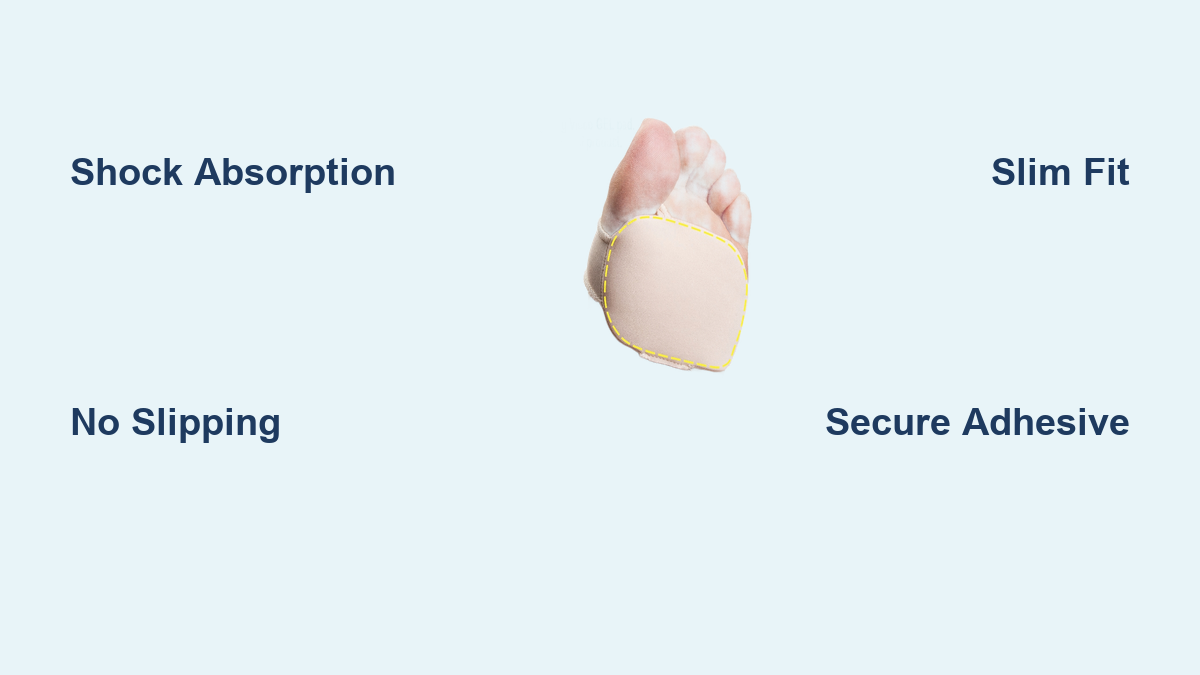
- Metatarsal pads relieve ball-of-foot pain
- Custom insoles correct alignment
- Thin orthotics fit discreetly in most heels
Stretch and Strengthen Daily
- Wall calf stretch: 30 seconds per leg, morning and night
- Towel stretch: Pull toes back to stretch arch
- Tennis ball roll: Massage plantar fascia
- Toe curls and marble pickups: Strengthen intrinsic muscles
- Heel raises: Build calf and ankle strength
When to See a Foot Specialist
Seek help if you experience:
– Persistent pain or swelling
– Visible deformities
– Stiffness in flat shoes
– Numbness or tingling
– Recurrent ankle sprains
Early intervention can prevent surgery and halt progression.
Final Note: The long term effects of wearing high heels on feet are real, cumulative, and often permanent—but preventable. By choosing lower, wider heels, limiting wear time, using orthotics, and doing daily stretches, you can enjoy heels occasionally without sacrificing foot health. Your feet carry you for life—protect them wisely.