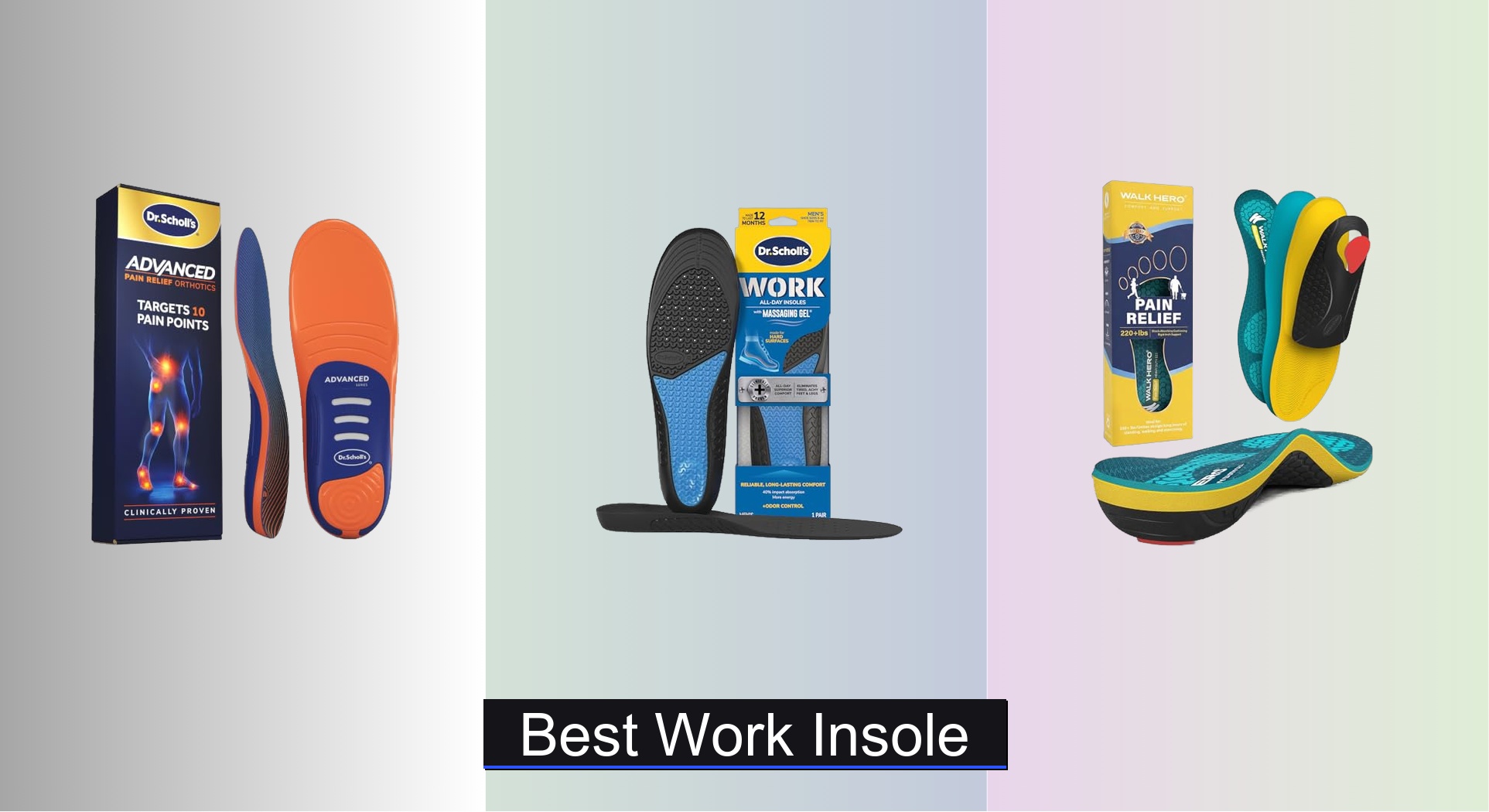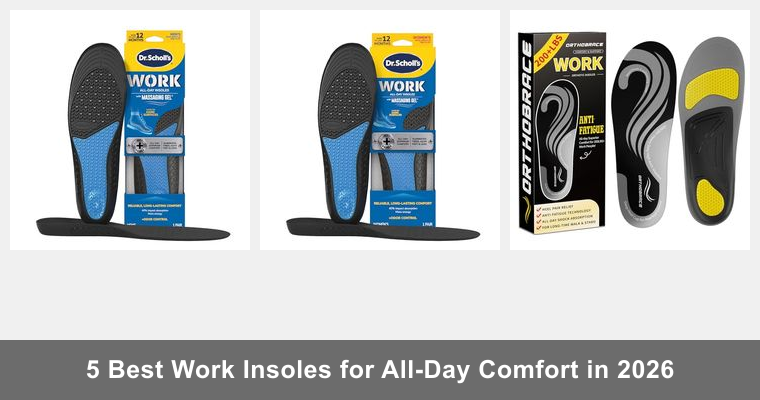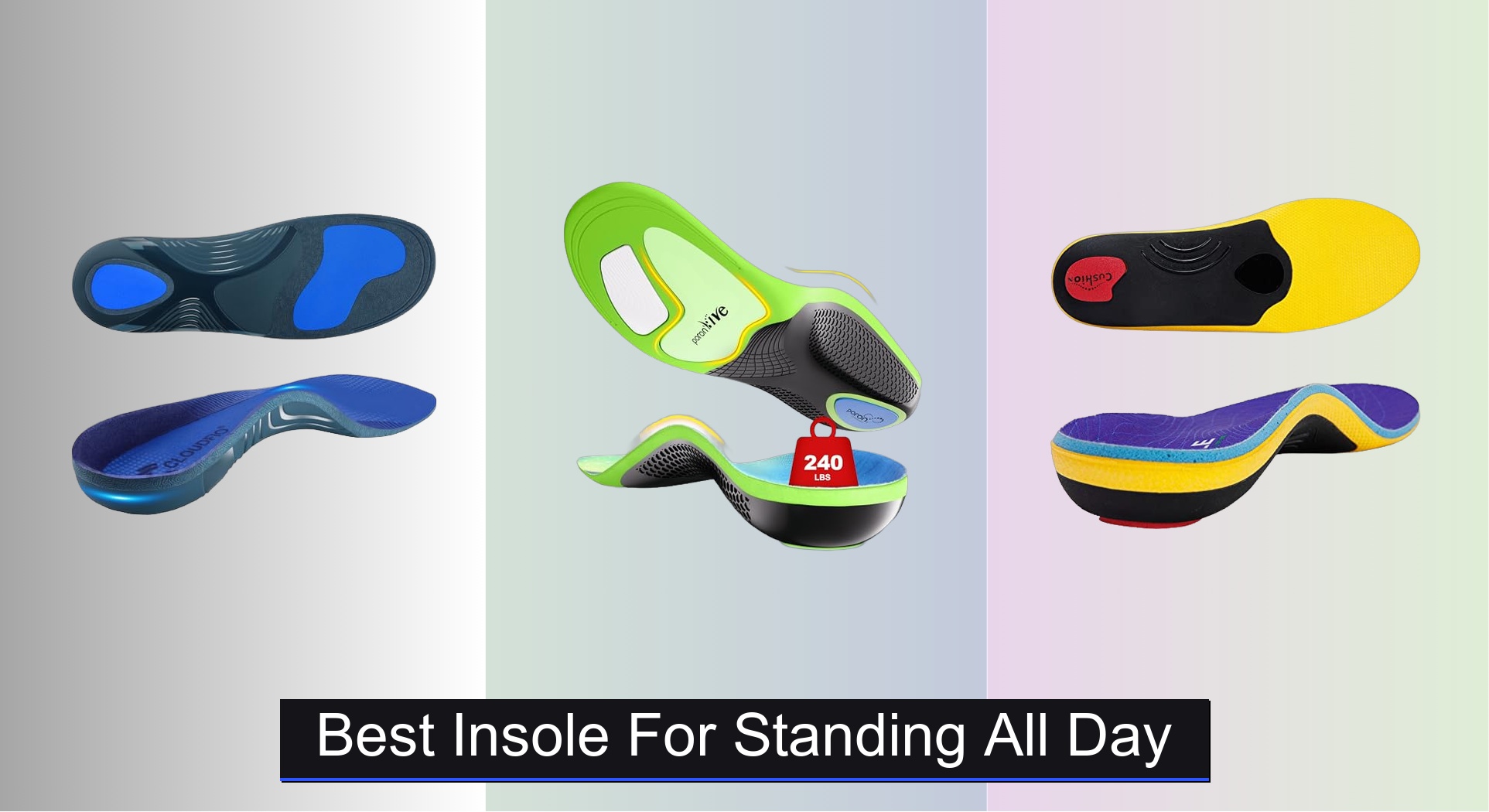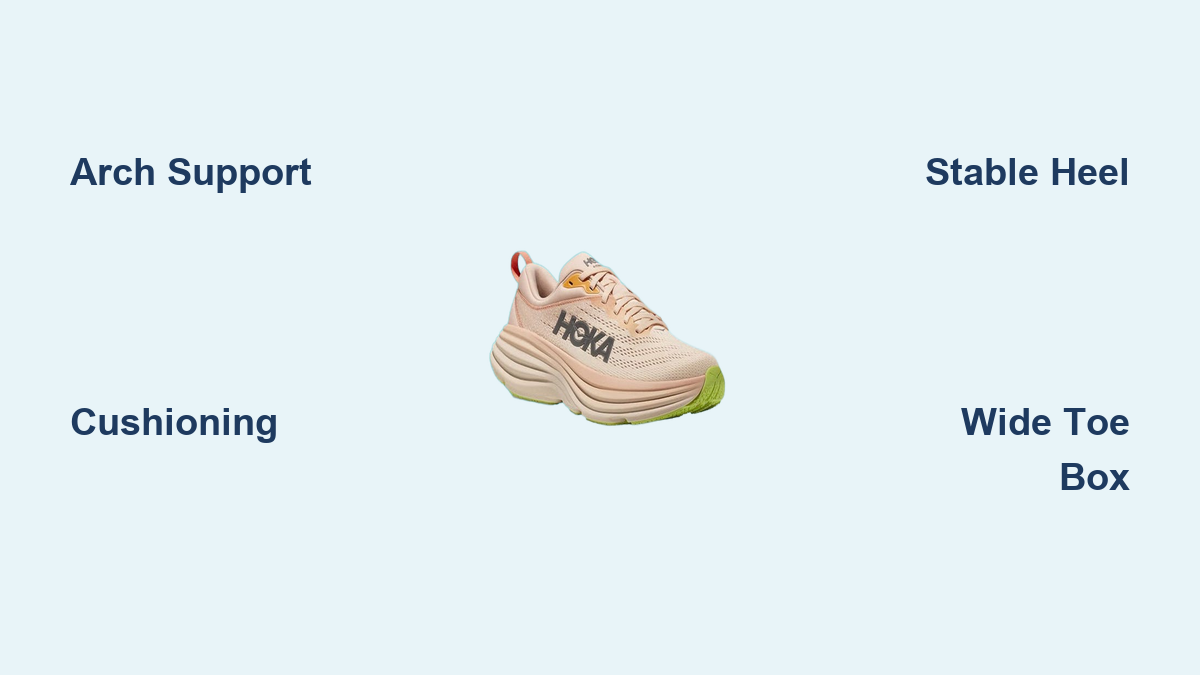
Standing for hours on end might sound simple, but it’s one of the most physically demanding activities your body endures—especially if you’re doing it on hard floors like tile, concrete, or vinyl. Nurses, teachers, retail associates, factory workers, and hospitality staff often spend 8 to 12 hours daily on their feet, and without the right support, that time takes a severe toll. The importance of proper footwear for standing all day goes far beyond comfort—it’s about protecting your feet, legs, and spine from long-term damage.
When you stand still, your feet absorb forces up to four times your body weight with every shift in weight. Unlike walking, where the calf muscles pump blood back to the heart, prolonged standing reduces circulation, leading to swelling, fatigue, and pain. Ill-fitting or unsupportive shoes worsen these effects, increasing the risk of plantar fasciitis, bunions, knee pain, and chronic back issues. The good news? Most of these problems are preventable. Choosing shoes with arch support, cushioning, stability, and a proper fit isn’t just a comfort upgrade—it’s a health necessity. This guide breaks down exactly how the right footwear protects your body, what features to look for, and how to stay pain-free—no matter how long your shift.
How Standing All Day Damages Your Feet Without Support

Standing isn’t passive—it’s a continuous physical load that strains your circulatory system, joints, and soft tissues, especially when you’re wearing the wrong shoes.
Blood Pooling and Swelling from Poor Circulation
When you’re on your feet for hours, your calf muscles aren’t contracting regularly to help push blood back to your heart. This leads to blood pooling in your lower legs and feet, causing swelling (edema) and that heavy, achy sensation. Without proper shoe fit, tight uppers or narrow designs can further restrict blood flow, accelerating discomfort. Wearing compression socks helps, but only if your shoes aren’t squeezing your ankles or toes.
Plantar Fascia Strain and Arch Collapse
The plantar fascia—a thick band of tissue running from your heel to your toes—bears constant tension when standing. Without arch support, this tissue stretches and develops micro-tears, leading to plantar fasciitis, one of the most common causes of heel pain. Over time, repeated strain can cause heel spurs or collapsed arches, especially in people with flat feet or overpronation.
How Foot Misalignment Triggers Full-Body Pain
Your feet are the foundation of your posture. If they’re unstable, everything above suffers:
– Overpronation (inward foot roll) twists the knee, increasing the risk of IT band syndrome and knee osteoarthritis.
– Hip alignment shifts, causing pelvic tilt and lower back pain.
– The spine compensates, leading to chronic postural pain.
“When your foundation is off, everything above it pays the price.”
— Podiatry expert, Article 2
The Hidden Dangers of Wearing the Wrong Shoes

Choosing style over support might feel fine at first—but the damage builds silently over time, often leading to chronic pain or career-limiting injuries.
Common Foot Problems Caused by Poor Footwear
| Condition | Cause | Prevention |
|---|---|---|
| Plantar fasciitis | No arch support, hard soles | Supportive midsole, proper fit |
| Bunions | Narrow toe boxes | Wide, anatomical toe box |
| Hammertoes | Tight or shallow shoes | Roomy forefoot space |
| Corns & calluses | Friction from rubbing | Smooth interior, correct size |
| Blisters | Poor fit or material | Moisture-wicking socks, snug heel |
| Morton’s neuroma | Compressed forefoot | Wide toe box, low heel |
These aren’t just foot issues—they’re mobility threats. Left untreated, they can lead to surgery, chronic pain, or early career exit.
Systemic Health Risks of Bad Shoes
Poor footwear doesn’t stop at the feet:
– Varicose veins develop due to poor venous return.
– Knee and hip joint degeneration accelerates under misaligned loads.
– Chronic fatigue sets in as muscles work harder to stabilize weak feet.
– A 2023 APMA survey found 38% of workers with foot pain lost productivity, and 28% missed workdays.
“Wearing ill-fitting shoes can alter your gait, leading to knee, hip, or back pain.”
— Dr. Tyler Stewart, Foot and Ankle Surgeon
How Proper Shoes Support Your Entire Body
Good footwear isn’t just about cushioning—it’s biomechanical engineering that protects your body from the ground up.
Shock Absorption That Reduces Joint Stress
Each step transmits 1.5 to 4 times your body weight through your feet. On hard floors, that force multiplies. Shoes with dual-density midsoles—a soft top layer and firm base—absorb impact while maintaining stability. Materials like EVA foam or KANE RestoreFoam™ retain bounce and resist compression over time.
Alignment and Stability from Heel to Toes
A well-designed shoe does three key things:
1. Supports the arch to prevent overpronation.
2. Stabilizes the heel with a firm counter.
3. Allows natural toe splay for balance.
This alignment reduces strain all the way to your spine, improving posture and reducing injury risk.
“Supportive shoes combine structure with flexibility in specific zones.”
— Podiatry expert, Article 2
9 Must-Have Features in All-Day Standing Shoes
Not all “comfortable” shoes are built for long-term standing. Look for these nine essential features to stay supported.
Arch Support for Your Foot Type
- Flat feet: Need firm medial support and motion control.
- High arches: Require extra cushioning for shock absorption.
- Normal arches: Benefit from balanced support.
Dual-density midsoles adapt to your biomechanics and prevent arch collapse.
Long-Lasting Cushioning
Avoid shoes that feel soft but collapse under pressure. Look for memory foam, EVA, or polyurethane midsoles that resist compaction and maintain support for months.
Firm Heel Counter
The back of the shoe should be rigid, not soft. A firm heel counter keeps your ankle aligned, prevents rolling, and reduces sprain risk. Press the heel cup—if it indents easily, it’s too weak.
Roomy Toe Box
Your toes need space to spread naturally. A high, wide toe box prevents bunions, hammertoes, and Morton’s neuroma, while accommodating foot swelling after hours on your feet.
Proper Fit: When and How to Buy
- Shop in the afternoon or evening—feet swell up to half a size.
- Leave 3/8” to ½” between your longest toe and the shoe tip.
- Heel slip should be no more than ¼ inch.
- Always measure both feet—one is usually larger.
Breathable, Lightweight Materials
- Leather, mesh, or moisture-wicking synthetics prevent sweat buildup.
- Lightweight shoes reduce leg fatigue.
- Avoid heavy, stiff materials that increase effort.
Slip-Resistant Outsoles
Essential for healthcare, kitchens, and industrial settings:
– Rubber outsoles with deep treads
– Meets ASTM F2913 standard
– Performs well on wet, oily, or polished floors
Flex at the Ball of the Foot
The sole should bend only at the metatarsophalangeal joint (ball of foot). This allows natural movement while keeping the arch stable. Avoid fully rigid or overly flexible soles.
Best Shoes by Job Type

Match your footwear to your work environment for optimal support.
| Occupation | Ideal Shoe Type | Key Features |
|---|---|---|
| Nurses / Healthcare | Medical clogs or sneakers | Arch support, slip-resistant, easy to clean |
| Retail / Hospitality | Comfort work shoes | Cushioning, breathable, roomy toe box |
| Construction | Steel-toe boots | Protective cap, ankle support, puncture-resistant |
| Teaching / Office | Supportive walking shoes | Moderate cushion, arch support, stylish |
| Food Service | Non-slip kitchen shoes | Waterproof, closed toe, high traction |
| Active Roles | Running/training shoes | Shock absorption, motion control if needed |
Note: Running shoes are great for motion but may lack static support for standing. Choose models designed for daily wear, not just workouts.
When to Add Orthotics for Extra Support

Even the best shoes may need help—especially if you have existing foot conditions.
Who Benefits from Orthotics?
- Flat feet or overpronation
- High arches with poor shock absorption
- Plantar fasciitis or heel pain
- Diabetic foot care (to prevent ulcers)
Custom or over-the-counter orthotics rebalance your feet, reducing strain on knees, hips, and back.
“Orthotics help rebalance your feet into a more neutral position, relieving pain in the entire lower body.”
— Dr. Tyler Stewart
How to Use Orthotics Correctly
- Choose shoes with removable insoles.
- Insert orthotics before wearing.
- Ensure the shoe still fits snugly—no pinching or crowding.
Speed Up Recovery with Post-Shift Footwear
Your feet need care after the shift—not just during.
Why Recovery Shoes Matter
After 8–12 hours on your feet, you’re dealing with:
– Inflammation
– Muscle tightness
– Reduced circulation
– Micro-damage to connective tissue
Regular shoes won’t help. Recovery footwear maintains arch support and stimulates blood flow to speed healing.
Features of Effective Recovery Shoes
- Supportive structure (not just soft slippers)
- Massage nodes to boost microcirculation
- Lightweight, water-friendly design
- Dual-density foam for comfort without collapse
Example: KANE Revive Recovery Shoes
- Developed with foot surgeons.
- Made with RestoreFoam™ from Brazilian sugarcane.
- Nodes in the footbed increase blood flow and speed recovery.
- Wear immediately after work to kickstart healing.
“These little nodes increase local microvasculature… It’s going to facilitate recovery.”
— Dr. Daniel Geller, Podiatrist
Daily Habits for All-Day Comfort
Foot health doesn’t start and end with shoes. Combine footwear with these proven strategies.
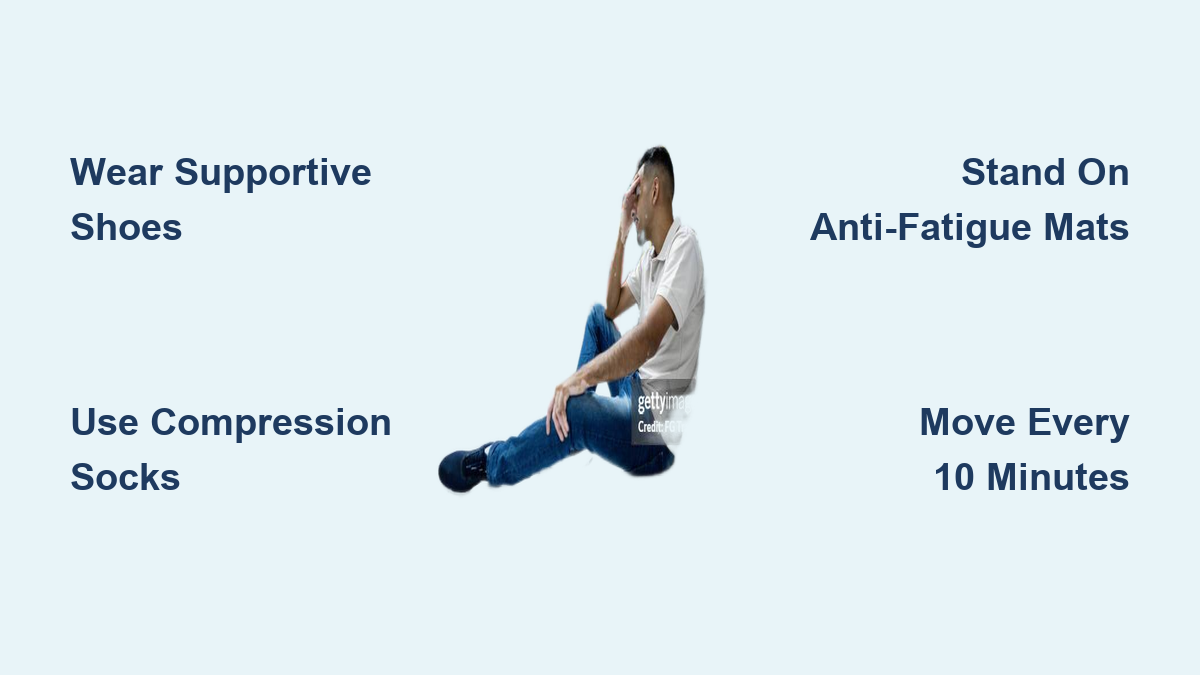
Wear Compression Socks
- Improve venous return and reduce swelling.
- Choose 15–20 mmHg compression for daily wear.
Use Anti-Fatigue Mats
- Reduce joint pressure by up to 50% at stationary stations.
- Most effective when paired with supportive shoes.
Stretch and Strengthen Daily
Do these exercises:
– Achilles stretch
– Plantar fascia roll (tennis ball or frozen bottle)
– Toe curls (pick up a towel)
– Calf raises
Choose the Right Socks
- Moisture-wicking (not cotton)
- Seamless to reduce friction
- Antimicrobial (silver or copper fibers)
- Change mid-shift if needed
Take Smart Breaks
- Move every 30–60 minutes
- Avoid locking your knees
- Alternate standing positions
Replace Shoes Before They Fail
Supportive shoes lose effectiveness over time—often before they look worn.
Signs It’s Time for New Shoes
- Tread is smooth or uneven
- Midsole feels flat
- Heel counter is soft
- Upper is separating
- Increased foot or back pain
“Worn-out shoes provide no more support than walking barefoot on hard surfaces.”
— Podiatry expert, Article 2
Replacement Timeline
- Work or athletic shoes: Every 6–12 months or 300–500 miles
- Work boots: Every 6–8 months under heavy use
See a Podiatrist When Needed
Don’t ignore persistent foot issues. Early care prevents long-term damage.
When to Seek Help
- Foot pain lasting more than two weeks
- Swelling that doesn’t go down
- Numbness or tingling
- Visible deformities
- Diabetic foot concerns
Preventive Tip: Diabetics should have annual foot exams.
Final Note: The importance of proper footwear for standing all day can’t be overstated. It’s not just about comfort—it’s about protecting your body, your productivity, and your long-term health. With the right shoes, smart habits, and timely care, you can stand strong, move freely, and work without pain—one supported step at a time.