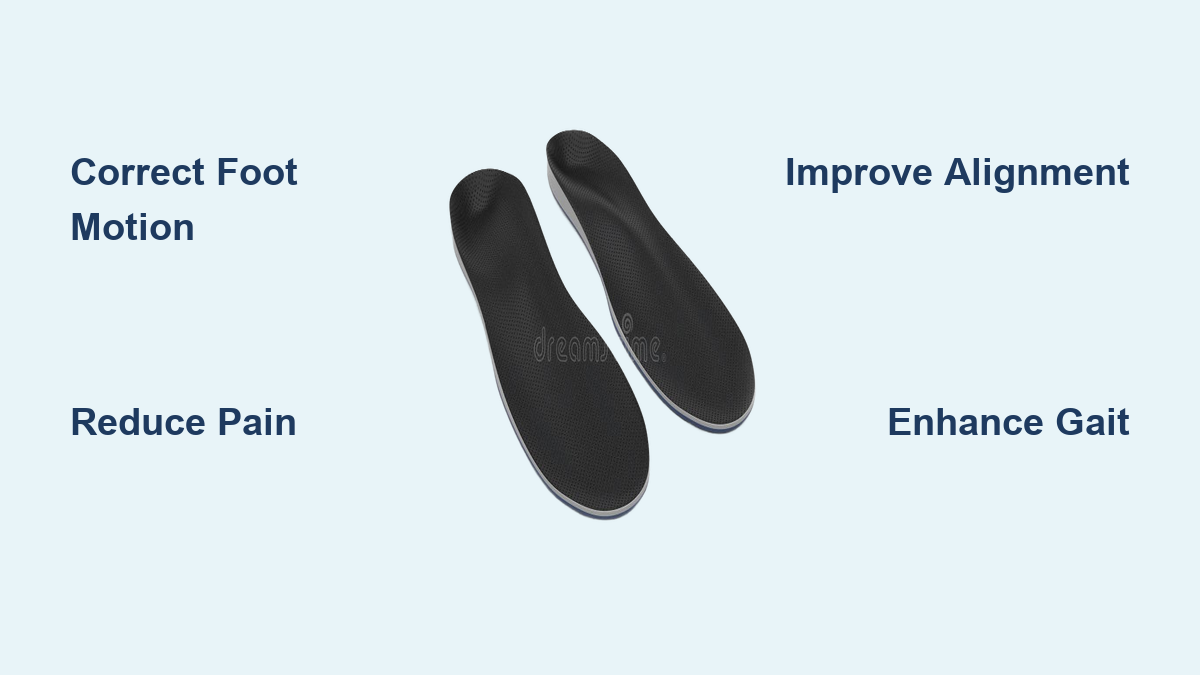
If you’ve ever struggled with foot pain, knee discomfort, or persistent aches after walking or running, you’ve likely come across the term orthotics. But what are orthotics and how do they work? These aren’t just padded insoles from the drugstore—they’re medical-grade devices designed to correct how your feet interact with the ground, improve alignment, reduce pain, and enhance overall movement efficiency.
Orthotics are prescribed by healthcare professionals—especially podiatrists—to address biomechanical imbalances in the feet and lower limbs. Whether you’re dealing with flat feet, plantar fasciitis, or even knee pain linked to foot mechanics, orthotics can play a vital role in both treatment and prevention. Unlike generic shoe inserts, true orthotics—particularly custom ones—are tailored to your unique foot shape, arch height, and gait pattern, delivering targeted support exactly where your body needs it.
In this guide, we’ll break down the science behind orthotics, how they influence foot mechanics, and who benefits most from using them. You’ll learn the differences between over-the-counter and custom orthotics, the conditions they treat effectively, and what to expect if you decide to try them. By the end, you’ll understand not only what orthotics are but also how they can transform your daily comfort and long-term mobility.
How Orthotics Change Foot Mechanics

Orthotics go far beyond cushioning—they actively retrain and correct the way your feet move. By modifying the forces between your foot and the ground, they improve stability, alignment, and movement efficiency throughout your entire lower body.
Correct Abnormal Foot Motion
One of the primary ways orthotics work is by controlling overpronation (excessive inward rolling of the foot) or supination (outward rolling). These motion abnormalities place undue stress on tendons, ligaments, and joints, affecting everything from your ankles to your hips and lower back.
Rigid and semi-rigid orthotics stabilize the rearfoot and midfoot, limiting excessive motion during walking or running. For example, individuals with flat feet often overpronate, causing the arch to collapse and straining the plantar fascia. An orthotic with proper medial arch support prevents this collapse, reducing inflammation and pain.
Modify Ground Reaction Forces
When your foot strikes the ground, force travels upward through your body. Orthotics redistribute these ground reaction forces, minimizing pressure on sensitive areas like the heel or ball of the foot.
This is crucial for conditions like metatarsalgia or Morton’s neuroma, where concentrated pressure irritates nerves and soft tissues. A well-designed orthotic spreads the load more evenly, preventing pain and tissue damage over time.
Improve Gait Efficiency and Reduce Fatigue
By aligning the foot properly, orthotics promote a smoother, more natural gait cycle. This reduces muscle fatigue during prolonged standing or activity and enhances performance—especially in athletes.
Studies show orthotics can improve stride symmetry and decrease energy expenditure, meaning you walk or run with less effort and a lower risk of injury.
Types of Orthotics That Deliver Real Results

Not all orthotics are the same. The right type depends on your specific condition, activity level, and foot structure. Choosing wisely ensures optimal comfort and effectiveness.
Over-the-Counter vs Custom Orthotics
| Feature | OTC Orthotics | Custom Orthotics |
|---|---|---|
| Design | Generic, mass-produced | Personalized to your foot |
| Materials | Foam, gel, EVA | Medical-grade plastics, carbon fiber |
| Support Level | Mild cushioning | Targeted biomechanical correction |
| Longevity | Weeks to 1 year | 1–5 years |
| Cost | $10–$75 | $500–$1,500 |
| Best For | Minor discomfort | Chronic pain, structural issues |
Over-the-counter (OTC) orthotics offer temporary relief for mild symptoms. They’re affordable and accessible but lack the precision needed for long-term correction.
Custom orthotics, prescribed by a podiatrist, are made from a 3D scan or mold of your foot. They account for your exact arch height, pressure points, and gait abnormalities—making them far more effective for diagnosed conditions.
Pro Tip: Some OTC inserts claim to be “custom fit” because they’re heat-moldable. While better than basic insoles, they still can’t match the accuracy of a true custom device.
Rigid, Semi-Rigid, and Soft Orthotics
Each functional type serves a different purpose:
Rigid Orthotics for Motion Control
Made from hard plastics or carbon fiber, rigid orthotics control foot motion. Ideal for:
– Overpronation
– Flat feet
– Leg length discrepancies
– Knee or hip pain from poor alignment
Though firm, they fit into everyday shoes and are often used in dress footwear.
Semi-Rigid Orthotics for Active Lifestyles
These combine soft and firm materials to balance support and shock absorption. Popular among runners and athletes, semi-rigid orthotics help:
– Enhance performance
– Reduce fatigue
– Prevent overuse injuries
They’re commonly prescribed for shin splints, Achilles tendonitis, and sports-related foot pain.
Soft Orthotics for Pressure Relief
Designed for medical conditions, soft orthotics use foam, gel, or silicone. Essential for:
– Diabetic foot ulcers
– Arthritis
– Neuropathy
– Sensitive or painful feet
These devices redistribute pressure away from high-risk areas, significantly lowering the chance of tissue breakdown or ulcer formation.
Conditions Effectively Treated with Orthotics
Orthotics aren’t just for foot pain—they can relieve discomfort throughout the lower body by correcting the root cause: faulty foot mechanics.
Plantar Fasciitis and Heel Pain
Orthotics are a first-line treatment for plantar fasciitis. They support the arch and cushion the heel, reducing strain on the inflamed plantar fascia ligament.
Custom devices with deep heel cups and arch support outperform OTC inserts in clinical studies, offering faster pain relief and better long-term outcomes.
Flat Feet and Overpronation
While orthotics can’t permanently “fix” flat feet in adults, they do reduce pain and improve function. By supporting the collapsed arch, they prevent excessive inward rolling and reduce stress on the posterior tibial tendon.
Children with flexible flat feet may benefit from early intervention, potentially improving foot development.
High Arches and Poor Shock Absorption
People with high arches (pes cavus) have rigid feet that don’t absorb impact well, leading to increased pressure on the heel and ball of the foot.
Soft or semi-rigid orthotics add cushioning and improve ground contact, reducing the risk of stress fractures and metatarsalgia.
Bunions and Hammertoes
Orthotics won’t reverse bunion deformities, but they can slow progression and reduce pain by improving foot alignment and decreasing pressure on the big toe joint.
Metatarsal pads in orthotics also help relieve pressure in hammertoes and Morton’s neuroma.
Diabetes and Foot Ulcer Prevention
For people with diabetes, orthotics are life-saving. Neuropathy reduces sensation, making it easy to develop ulcers from unnoticed pressure.
Custom accommodative orthotics reduce plantar pressure by up to 30%, dramatically lowering ulcer risk. Combined with proper footwear, they’re a cornerstone of diabetic foot care.
Knee, Hip, and Back Pain
Faulty foot mechanics can trigger pain far beyond the feet. Overpronation causes internal rotation of the tibia, which affects the knees and hips.
Orthotics correct this chain reaction, reducing compensatory movements and easing pain in the knee, hip, and lower back.
Athletes, office workers, and older adults alike report improved comfort and mobility after using orthotics for kinetic chain issues.
How Custom Orthotics Are Made: The Prescription Process

Getting custom orthotics involves a medical process designed to ensure precision and effectiveness.
Step 1: Comprehensive Biomechanical Assessment
Your podiatrist evaluates:
– Medical history and symptoms
– Joint mobility, muscle strength, nerve function
– Shoe wear patterns
– Gait (walking/running)
This identifies the root cause—not just the symptoms.
Step 2: 3D Foot Imaging and Casting
Your foot is captured via:
– Plaster casting: Highly accurate mold
– Foam impression box: Step into dense foam
– Digital 3D scanning: Laser or pressure plate technology
Some clinics use pressure mapping to see force distribution during movement.
Step 3: Prescription and Lab Fabrication
Your podiatrist specifies:
– Orthotic type
– Arch height, heel cup depth
– Material choice
– Posting (alignment wedging)
– Activity-specific features (sports, dress shoes)
The device is then fabricated in a lab by a certified technician.
Step 4: Fitting and Break-In Period
You’ll start wearing them for 1–2 hours per day, gradually increasing over 2–4 weeks. A follow-up at 6 weeks allows for adjustments.
Expert Note: Mild pressure is normal. Persistent pain means the orthotic needs adjustment.
Signs You Might Need Orthotics
You don’t have to live with pain. These signs suggest it’s time to see a podiatrist:
- Persistent foot or heel pain
- Uneven shoe wear (inner or outer edge)
- Swelling in feet or ankles
- Knee, hip, or back pain that worsens with activity
- Diagnosed conditions like plantar fasciitis, arthritis, or diabetes
Myth Busting:
❌ Orthotics weaken your feet.
✅ Truth: No evidence shows orthotics cause muscle weakness.
❌ Only flat feet need orthotics.
✅ Truth: High arches and athletes benefit too.
❌ OTC and custom orthotics work the same.
✅ Truth: Custom devices are significantly more effective for chronic issues.
Wearing and Maintaining Your Orthotics
Proper use extends lifespan and ensures continued effectiveness.
Choose Orthotic-Friendly Shoes
Look for:
– Removable insoles
– Firm heel counter
– Deep, wide toe box
– Stable outsole
Avoid:
– High heels
– Sandals (unless orthotic-ready)
– Shoes with soft, squishy soles
Care Tips for Longevity
- Remove nightly to air out
- Clean with a damp cloth, mild soap
- Air dry completely—no heat
- Inspect monthly for wear
- Replace every 1–2 years or when support fades
Cost, Insurance, and Value
While custom orthotics are an investment, their benefits often outweigh the cost—especially with insurance.
| Service | Cost |
|---|---|
| Biomechanical Assessment | $200 |
| 3D Scanning or Casting | $60 |
| Custom Orthotics (1 pair) | $645 |
| Total | $905 |
- Insurance: Private plans often cover part of the cost.
- Medicare: Does not cover orthotics, but may rebate podiatry visits under Chronic Disease Management.
Even without full coverage, many find the relief worth the expense—especially when avoiding surgery.
Long-Term Use and Realistic Expectations
Orthotics are not a quick fix, but they can transform daily comfort.
- Adjustment takes 2–4 weeks
- Last 1–5 years, depending on use
- Do not permanently change foot structure, but manage symptoms effectively
Podiatrist Insight: Think of orthotics like glasses—they help you function better, but you may need them long-term.
Final Note: Orthotics are evidence-based, highly effective tools for improving foot health and overall mobility. Whether managing chronic pain, recovering from injury, or optimizing performance, the right orthotic can make a significant difference. By understanding how they work and who benefits most, you can take control of your foot health and move with confidence.