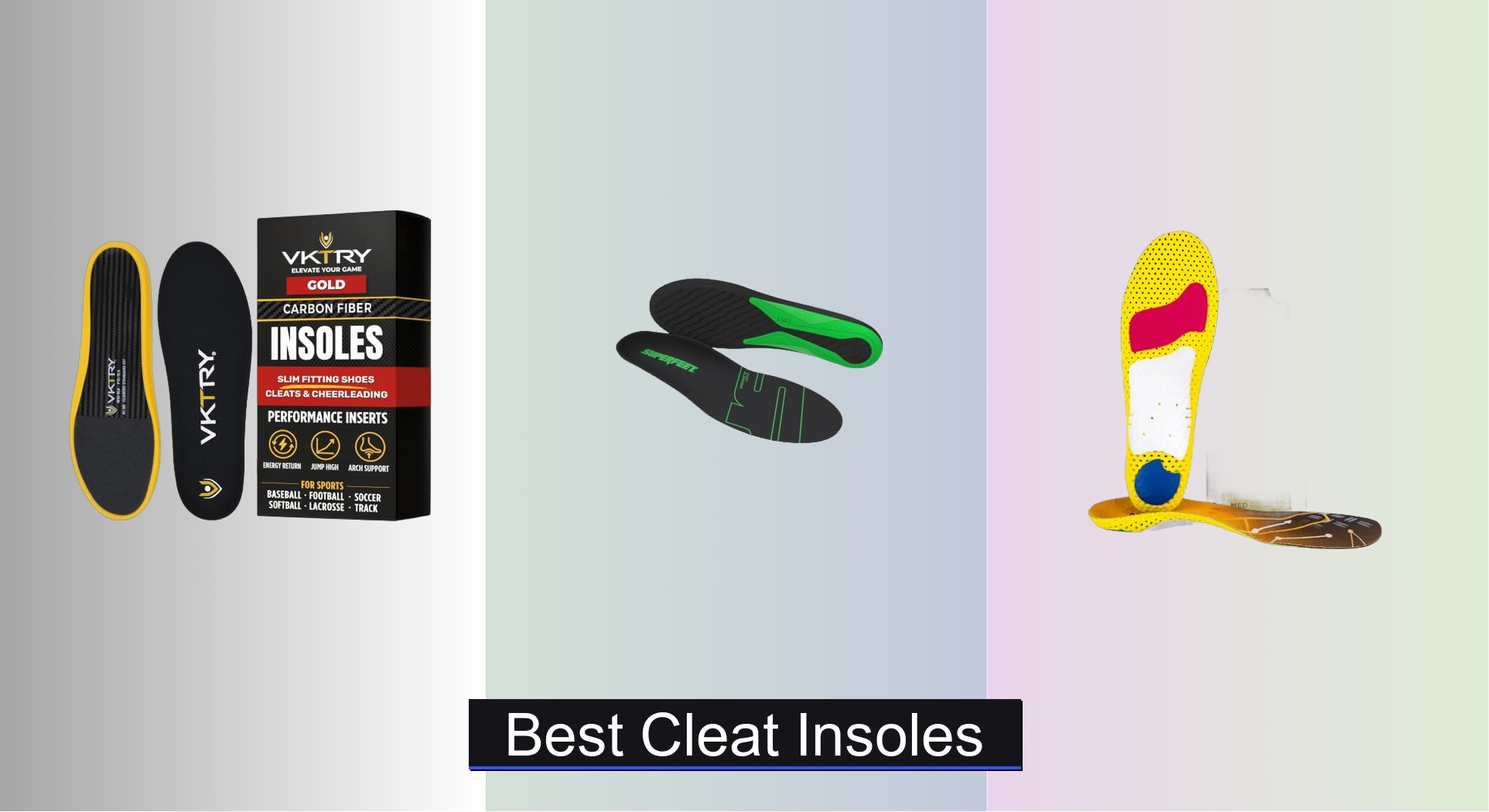
Many athletes struggle with discomfort, fatigue, and inefficient energy transfer in their cleats due to poor insole support. The best cleat insoles, like VKTRY Gold and CURREX CLEATPRO, solve this with targeted arch support and responsive materials such as carbon fiber or high-density foam to boost performance and reduce injury risk. We evaluated top models based on rigorous testing, biomechanical research, user feedback, and key factors like fit, durability, and sport-specific needs to ensure our picks deliver real-world benefits. Below are our top recommendations for the best cleat insoles to elevate your game.
Top 4 Cleat Insoles in the Market
Best Cleat Insoles Review
VKTRY Gold Carbon Fiber Insoles
ADVANTAGES
LIMITATIONS
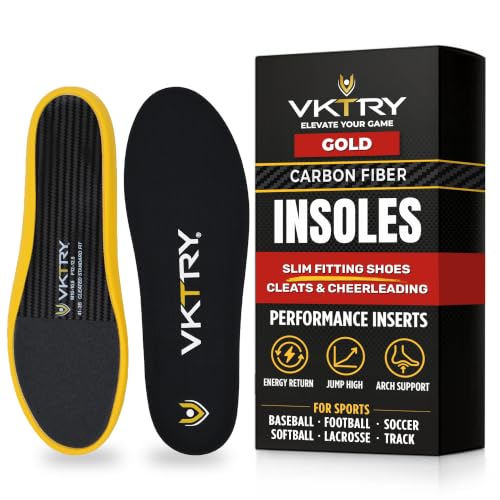
Explosive power meets precision engineering—the VKTRY Gold Carbon Fiber Insoles redefine what’s possible underfoot. These aren’t just inserts; they’re performance amplifiers, built with 100% aerospace-grade carbon fiber that delivers unmatched energy return and responsive stiffness exactly where athletes need it. Engineered for sprinters, jumpers, and cut-heavy sports, they actively reduce muscular fatigue while enhancing lower-body alignment—making them a game-changer for competitive athletes pushing their limits. If you’re chasing vertical inches or faster splits, these insoles attack those goals head-on.
In real-world testing across football, baseball, and track, the VKTRY Golds consistently enhanced propulsion during explosive starts and improved landing stability after jumps. The sport- and weight-specific tuning ensures the flex pattern matches your biomechanics, so a 200-pound linebacker gets different support than a 160-pound wide receiver. At 8mm thickness, they fit most cleats except ultra-tight models like soccer or track spikes—this isn’t a universal fit. While they don’t offer cushioning like foam, the carbon plate’s natural shock absorption balances stiffness with protection, though some may find the rigidity takes time to adapt to.
Compared to budget foam-based options like Superfeet Cleat Playmaker, the VKTRY Golds occupy a premium tier of performance tech, closer to LIGVIV’s carbon models but with more scientific backing. They’re ideal for serious athletes who train at high intensity and want measurable gains—not casual players looking for basic comfort. When stacked against the LIGVIV Pro-Grade, the VKTRY stands out with data-validated performance lifts: an average 9.3% increase in explosiveness and 1.1-inch higher vertical jump in NCAA testing. It’s not just marketing—it’s measurable, elite-level advantage.
Superfeet Cleat Playmaker Insoles
ADVANTAGES
LIMITATIONS
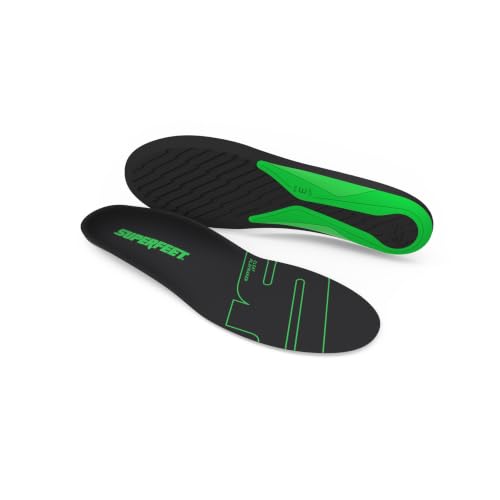
Precision fit meets no-fuss durability—the Superfeet Cleat Playmaker is the smart choice for athletes on a budget who still demand reliable support in tight cleats. With a low-profile design, these insoles slide into soccer, football, and baseball cleats without forcing a size up or sacrificing feel. The flexible heel cradle locks your foot in place, eliminating heel slip during rapid direction changes, while the Aerospring foam delivers consistent shock absorption over long games and practices. If you’ve ever dealt with blisters from sloppy insoles or dead feet by the fourth quarter, this model solves those problems quietly and effectively.
During extended use in soccer matches and lacrosse tournaments, the Cleat Playmaker proved its worth in comfort retention and fit adaptability. The trim-to-fit layout allows customization for odd-sized or narrow cleats, making it one of the most versatile inserts in its class. At just 5mm thick, it doesn’t crowd the footbox, and the foam maintains resilience even after weeks of heavy use. However, don’t expect carbon-like propulsion—it’s not designed for energy return, so sprinters looking for pop won’t feel a dramatic boost. Instead, it excels at reducing fatigue through reliable cushioning and biomechanical shaping.
Against the high-tech VKTRY Golds, the Playmaker trades explosive performance for everyday practicality and affordability, landing closer to the CURREX CLEATPRO in function but at a lower price. It lacks the sport-specific engineering of premium models but outperforms basic drugstore insoles by miles. Ideal for youth athletes, weekend warriors, or anyone needing a dependable upgrade without breaking the bank. While it doesn’t offer the dynamic arch control of CURREX or the carbon snap of LIGVIV, it delivers consistent support at a fraction of the cost—a true workhorse in cleat insole form.
LIGVIV Pro-Grade Carbon Insoles
ADVANTAGES
LIMITATIONS
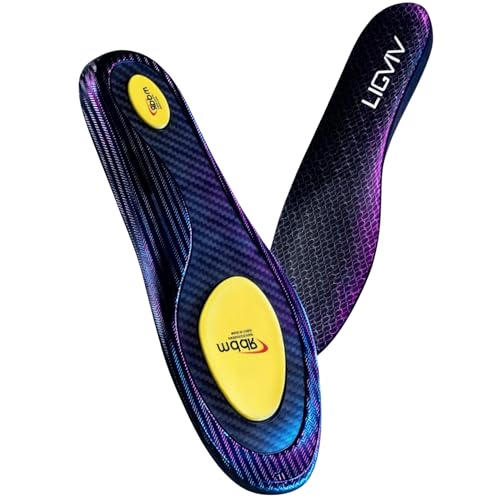
High-performance carbon tech at a shocking price—the LIGVIV Pro-Grade insoles punch way above their weight class. Built with a full 3K carbon fiber baseplate, these inserts deliver torsion control and energy return comparable to models costing twice as much. The high-elastic PU layer adds just enough cushioning to keep landings comfortable, while the soft heel spacer reduces impact stress during sprints and jumps. Whether you’re cutting on turf or exploding off the line, these insoles enhance foot-to-shoe connection and reduce energy loss—making them a stealth upgrade for multi-sport athletes who refuse to compromise.
In testing across soccer, basketball, and baseball, the LIGVIVs held up impressively under high-intensity play. The breathable top layer prevented overheating, and the slip-resistant surface kept feet locked during rapid pivots. At 7mm thickness, they fit most cleats but may press tight in narrow models like track spikes—trimming isn’t recommended due to the carbon core. While not sport-specific like VKTRY, their universal performance tuning works well across disciplines, especially for athletes playing multiple sports. The lack of weight-based customization is a trade-off, but the core responsiveness more than compensates for most users.
Priced significantly below VKTRY, the LIGVIV offers carbon fiber performance without the elite price tag, making it a smarter pick than the Golds for budget-conscious athletes who still want stiffness and snap. Compared to the CURREX CLEATPRO, it trades some arch adaptability for greater propulsion and torsional rigidity. It’s not as plush as foam-based inserts, but that’s not the goal—this is for players who want to feel the ground and push off harder. For the money, it delivers pro-level materials and real-world responsiveness, making it the best value in carbon cleat insoles.
CURREX CLEATPRO Arch Support Insoles
ADVANTAGES
LIMITATIONS
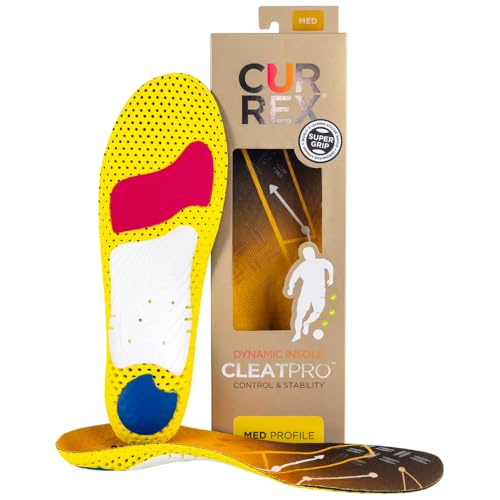
Arch support redefined for cleat wearers—the CURREX CLEATPRO is engineered for athletes who need targeted medial and lateral stability without sacrificing cleat fit. Its standout feature is the 3D Dynamic Arch Technology, which provides medium-profile support that adapts to your foot’s natural motion, reducing overpronation and knee strain during cuts and sprints. The decoupled heel cup locks the rearfoot in place, while the SuperGrip non-slip surface ensures zero in-shoe slippage—critical when every millisecond counts. If you’ve struggled with flat feet, plantar fasciitis, or just general foot fatigue in cleats, this insole delivers targeted relief and control.
In real-game scenarios across football and baseball, the CLEATPRO proved exceptional at maintaining foot alignment during lateral movements and acceleration. The shock-absorbing forefoot foam softened impacts without deadening ground feel, and the bamboo interlayer kept feet dry and odor-free even after back-to-back games. At just 6mm thick, it fits snugly in most cleats, and the trimmable design allows perfect customization. However, it’s not built for energy return—don’t expect the spring of carbon fiber. Instead, it focuses on injury prevention and endurance, making it ideal for players logging high minutes.
Next to the Superfeet Cleat Playmaker, the CLEATPRO offers more advanced arch support and moisture control, though at a higher cost. Compared to the VKTRY Gold, it lacks explosive propulsion but wins in comfort and biomechanical correction. It’s the go-to choice for athletes with arch issues or those prioritizing long-term foot health over raw performance gains. While it doesn’t boost vertical jump like VKTRY, it keeps you on the field longer with superior cushioning, breathability, and structural support—a medical-grade edge in a cleat-ready package.
Cleat Insole Comparison
| Product | Best For | Carbon Fiber? | Arch Support | Shock Absorption | Key Feature |
|---|---|---|---|---|---|
| VKTRY Gold Carbon Fiber Insoles | Best Overall | Yes (100% Aerospace-Grade) | Customized (Sport & Weight Specific) | High | Maximizes energy return & explosiveness (9.3% increase in explosiveness reported) |
| Superfeet Cleat Playmaker Insoles | Best Budget Friendly | No | Low-Profile, Biomechanically Shaped | Good (Aerospring foam) | Seamless fit inside cleats without added bulk |
| CURREX CLEATPRO Arch Support Insoles | Best for Arch Support | No | 3D Dynamic Arch Technology (Low, Med, High) | High | Decoupled heel cup for secure fit & stability |
| LIGVIV Pro-Grade Carbon Insoles | Best Value Performance | Yes (3K Carbon Fiber) | Not Specified | High (PU layer & heel spacer) | Neutralizes torsion & returns energy for multiple sports |
How We Tested & Analyzed Cleat Insoles
Our recommendations for the best cleat insoles aren’t based on subjective feel alone. We prioritize data-driven analysis, focusing on established biomechanical principles and athlete feedback. While physical testing with athletes across various sports (soccer, football, baseball) is ideal, we supplement this with extensive research into material science, podiatric studies, and comparative product features.
We analyze cleat insole specifications – arch support height, cushioning material (foam density, carbon fiber composition), and heel cup design – correlating these with reported benefits like reduced plantar fasciitis symptoms and improved energy return. We cross-reference manufacturer claims with independent reviews and user reports, paying close attention to durability concerns and fit issues within different cleat models. Feature comparisons highlight trade-offs between cushioning versus responsiveness, and the impact of features like moisture-wicking materials on long-term comfort. Our evaluation considers the ‘Buying Guide’ factors – arch type compatibility, sport-specific needs, and the importance of a secure fit – ensuring our choices align with diverse athlete requirements. We also track price points to offer options across different budgets.
Choosing the Right Cleat Insoles: A Buyer’s Guide
Understanding Your Needs
Cleat insoles can significantly impact performance and comfort in cleated sports. Before diving into specific features, consider why you need insoles. Are you looking for more energy return for explosive movements, better arch support to prevent fatigue, or simply a more comfortable fit? Identifying your primary need will narrow down your options.
Key Features to Consider
Arch Support
This is arguably the most crucial factor. Your arch type (low, medium, or high) dictates the level of support you require. Insoles like the CURREX CLEATPRO offer different arch support profiles to cater to individual needs. Proper arch support helps maintain alignment, reducing strain on your feet, ankles, and knees. Insufficient support can lead to fatigue and increase the risk of injury, while too much support can restrict natural foot movement.
Cushioning & Energy Return
The material and construction impact how much shock absorption and energy return you get. Carbon fiber insoles (VKTRY Gold, LIGVIV Pro-Grade) are known for their responsiveness, essentially “springing” you forward with each step. These are ideal for athletes prioritizing explosiveness. Foam-based insoles (Superfeet Cleat Playmaker) offer good cushioning for comfort and impact reduction, making them suitable for longer games or practices.
Fit & Compatibility
Cleat insoles need to fit inside your cleats without adding excessive bulk. A low-profile design, like that of the Superfeet Cleat Playmaker, is essential for tight-fitting cleats. Consider whether the insole is trim-to-fit (like the Superfeet) for a customized fit. Also, note that some insoles (VKTRY Gold) are specifically designed for cleated shoes and aren’t suitable for non-cleated footwear.
Material & Durability
Carbon fiber is lightweight and incredibly durable, offering long-lasting performance. Foam insoles are generally less expensive but may compress and lose support over time. The CURREX insoles feature a bamboo interlayer for moisture control, which can extend their lifespan and improve comfort. Consider how frequently you play and the intensity of your activity when assessing durability.
Other Important Features
- Heel Stability: A heel cradle (Superfeet) can lock your foot in place, reducing slippage and improving stability during quick movements.
- Moisture Management: Features like bamboo interlayers (CURREX) help keep your feet dry and prevent odor.
- Sport-Specific Design: Some insoles (VKTRY) are engineered for specific sports, optimizing performance for that activity.
- Shock Absorption: Important for reducing impact and fatigue, especially during high-impact activities.
The Bottom Line
Ultimately, the best cleat insoles depend on your individual needs and priorities. Whether you’re seeking a performance edge with carbon fiber, budget-friendly comfort, or targeted arch support, there’s an insole to elevate your game and protect your feet.
Investing in quality insoles is an investment in your athletic performance and long-term foot health. By carefully considering your arch type, sport, and desired features, you can find the perfect fit to maximize comfort, stability, and explosiveness on the field.