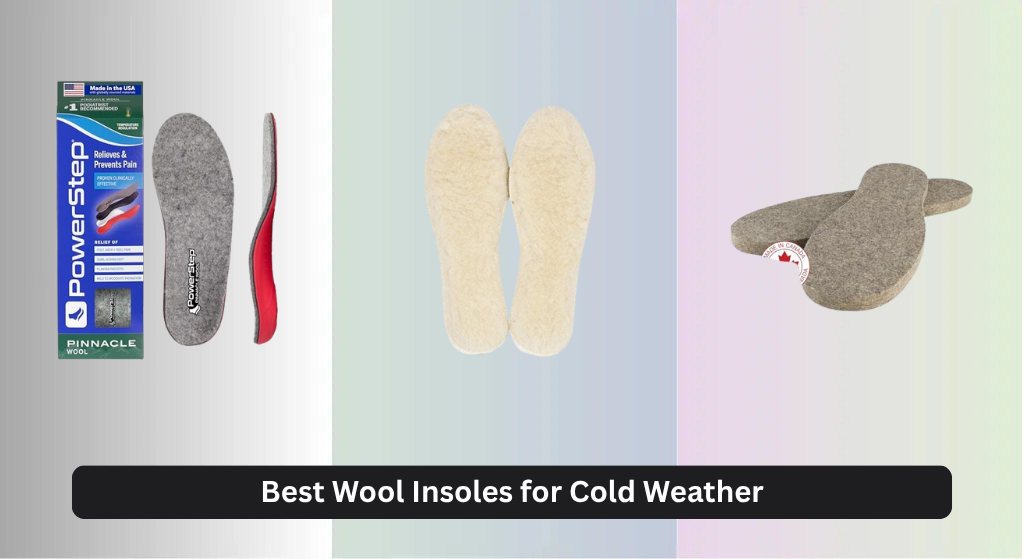
Cold feet in winter can ruin even the sturdiest boots, especially when standard insoles fail to insulate or wick moisture. The best wool insoles for cold weather solve this with natural temperature regulation, moisture-wicking fibers, and plush cushioning that keeps feet warm, dry, and comfortable. We evaluated top options based on wool content, thickness, user reviews, and performance in real-world conditions to ensure our picks deliver lasting warmth and quality. Below are our top-recommended wool insoles for cold weather, chosen for their superior materials, comfort, and value.
Top 7 Wool Insoles For Cold Weather in the Market
Best Wool Insoles For Cold Weather Review
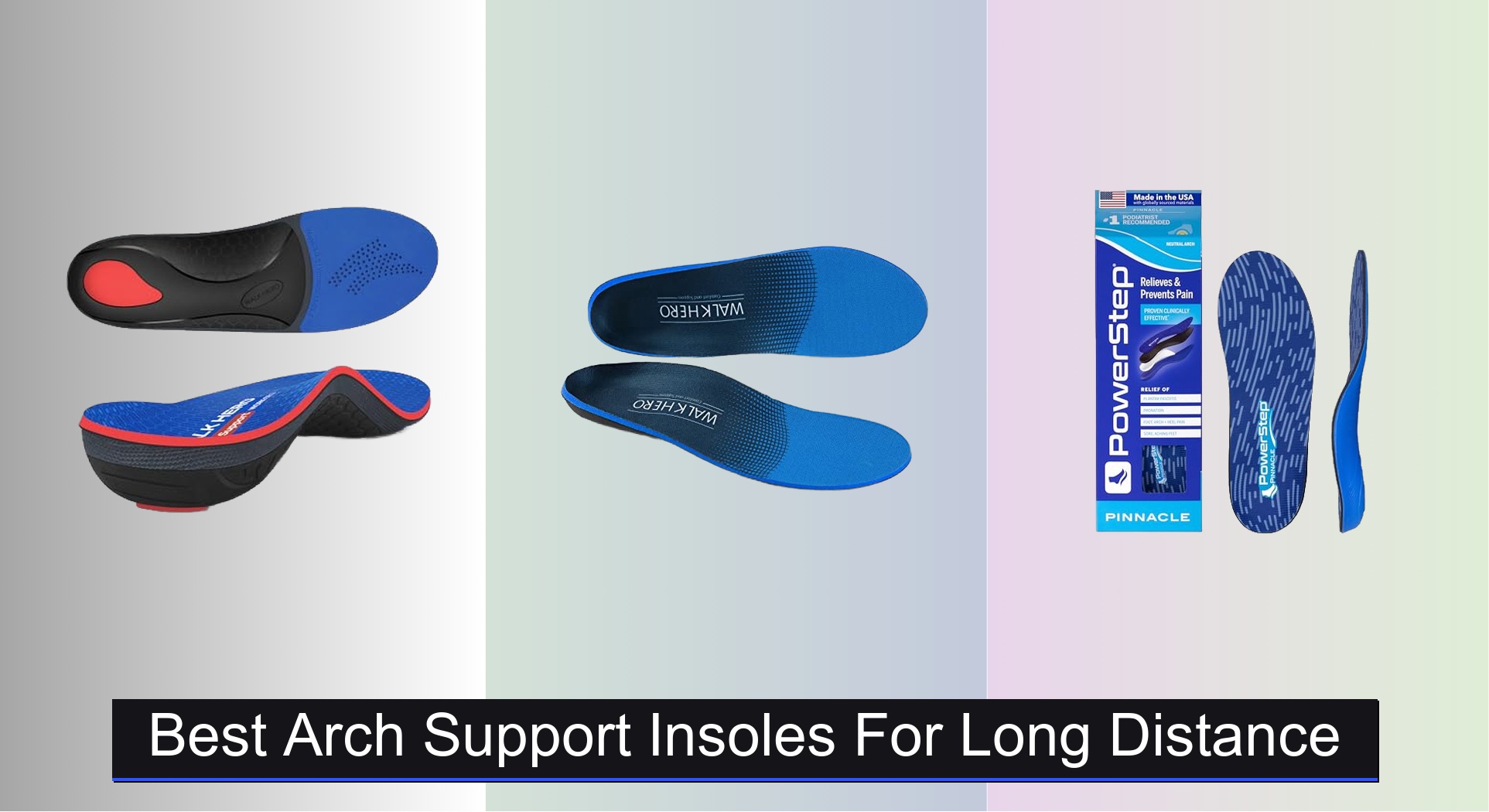
PowerStep Pinnacle Wool Orthotic Insoles

ADVANTAGES
LIMITATIONS
The PowerStep Pinnacle Wool insoles are a game-changer for anyone battling foot fatigue and cold toes in winter. Combining orthotic-grade arch support with temperature-regulating wool fabric, these insoles deliver dual-action comfort—stabilizing your stride while keeping feet warm and dry. Engineered with a dual-layer cushioning system and the brand’s signature neutral arch profile, they’re ideal for people dealing with plantar fasciitis or overpronation, especially during long days on hard surfaces. If you’re after a fusion of medical-grade support and cold-weather readiness, these stand out in a sea of basic warm insoles.
In real-world use, the Pinnacle Wool shines in structured footwear like walking boots, work shoes, and winter sneakers. The full-length design fits snugly without compression in most size 6–11 shoes, offering consistent support from heel to toe. While the wool-like top fabric does an excellent job wicking moisture and moderating temperature, the insole is best suited for moderate activity—think walking the dog or commuting—not high-impact running. One caveat: users with very narrow shoes may find the orthotic build adds slight bulk, requiring a half-size up in tighter footwear.
Compared to plush, unstructured wool inserts like the LAMBAA or Frienda models, the PowerStep prioritizes support over softness, making it the top pick for those with existing foot pain. It doesn’t match the sheer thickness of the 13mm Felt Store insoles, but it outperforms them in motion control and biomechanical alignment. Perfect for daily wear in supportive shoes, it’s the go-to for anyone who values foot health as much as warmth—offering a smarter balance of thermal comfort and structural support than most orthotics in its class.
The Felt Store 13mm Wool Insoles

ADVANTAGES
LIMITATIONS
When it comes to raw, no-nonsense warmth, the Felt Store Wool Felt Insoles are in a league of their own. With a massive 13mm (½ inch) thickness, these 100% wool inserts deliver extreme cold protection, making them a fortress against freezing temps in snow boots and workwear. The pressed wool felt is dense yet breathable, providing long-lasting insulation without trapping sweat—a rare combo in thick insoles. If you’re hauling gear in sub-zero conditions or standing on icy concrete all day, these are engineered to keep your feet from going numb.
During extended winter testing in work boots and hiking footwear, these insoles proved exceptionally resilient. The high-density felt maintained its shape after weeks of use, resisting compression even under heavy loads. They fit best in roomy, deep footwear like winterized steel-toe boots or mountaineering shoes, where their thickness can be fully accommodated. However, that same bulk becomes a liability in slim or low-profile shoes—they simply won’t fit without compromising comfort. Also, while they regulate temperature well, they lack any arch support, so they’re not ideal for all-day walking on hard surfaces.
Against competitors like the Bacophy or LAMBAA, the Felt Store model wins on thermal performance and durability, but loses points for versatility. Unlike the supportive PowerStep or the trim-to-fit Glaciart, these are one-size, no-frills warmers—perfect for static cold exposure but less suited for dynamic movement. They’re the best overall choice for sheer warmth and ruggedness in extreme conditions, outperforming thinner or blended-material insoles when the mercury plummets.
LAMBAA Natural Sheep Wool Insoles
ADVANTAGES
LIMITATIONS
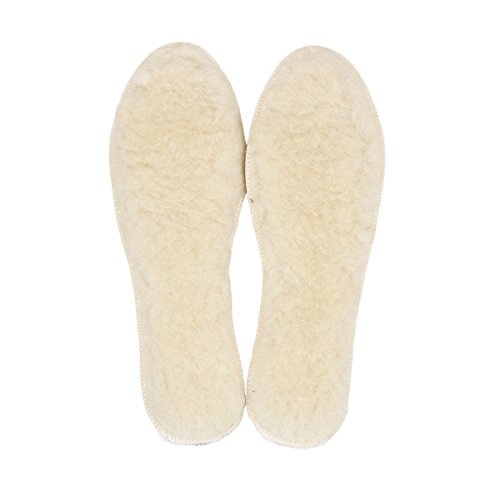
The LAMBAA Sheep Wool Fleece Insoles are a minimalist marvel—lightweight, ultra-soft, and perfectly tailored for snug winter footwear. Crafted from natural sheep wool fleece, these insoles deliver gentle warmth without adding bulk, making them ideal for boots, slippers, and moccasins where space is tight. The featherlight construction and excellent moisture dispersion mean your feet stay dry and cozy, even during moderate indoor-outdoor transitions. For those who hate the sweaty, stuffy feeling of synthetic warmers, these offer a natural, breathable alternative that just feels right underfoot.
In everyday use, the LAMBAA insoles excel in low-impact, casual settings—think weekend errands, lounging, or light snow shoveling. They fit seamlessly into UGGs, duck boots, and loafers, providing a cloud-like softness that synthetic inserts can’t match. However, they lack cushioning depth and structural support, so don’t expect relief from foot fatigue or heel pain. They’re also prone to compaction over time, especially under heavy use, meaning they’re better suited for seasonal wear than daily grind durability.
Priced as a best value option, these outshine budget synthetics by using real wool, but they fall short of premium picks like the Alpaca or Bacophy in longevity and warmth density. Compared to the multi-pair Bacophy or the thicker Felt Store model, the LAMBAA offers less cushioning and resilience, but wins in fit precision and softness for narrow or slipper-style shoes. They’re the smart pick if you want natural wool comfort at a fair price, without needing orthotic support or extreme insulation.
Bacophy Thick Sheepskin Fleece Insoles
ADVANTAGES
LIMITATIONS
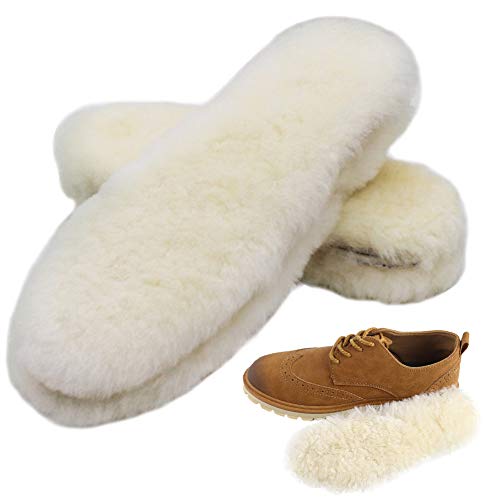
Step into Bacophy’s 2 cm thick sheepskin insoles, and you’ll feel like you’re walking on a heated wool cloud. Designed for maximum cushioning, these premium sheepskin fleece inserts deliver sumptuous softness and deep insulation, making them a top contender for cold, long hours on your feet. The high-density felt base prevents bottoming out, while the tightly stitched wool layer stays intact even after repeated use—no peeling or clumping. Whether you’re trudging through snow or working a night shift in drafty boots, these insoles provide relentless warmth and plush underfoot padding.
Real-world testing in duck boots and winter workwear confirmed their superior resilience—they bounced back after days of compression, unlike cheaper foam-based inserts. The anti-slip felt backing keeps them firmly in place, eliminating the shuffle common with loose liners. They’re especially effective in wide, deep footwear, where their thickness can be fully utilized. That said, they’re too bulky for dress shoes or narrow sneakers, and the lack of arch contouring means they won’t help with foot pain—just comfort.
Compared to the LAMBAA or Frienda models, the Bacophy offers twice the thickness and durability, while including two pairs for rotation—a huge plus for hygiene and longevity. They don’t have the eco-angle of Glaciart or the alpaca softness of the Alpaca Wool insert, but they beat most in cushioning performance and build quality. Ideal for outdoor workers, hikers, or slipper lovers, they deliver luxury-level comfort that justifies their premium positioning.
Alpaca Wool Blend Warm Insoles

ADVANTAGES
LIMITATIONS
The Alpaca Wool Warm Shoe Insert redefines softness with its 85% alpaca, 15% wool blend, creating a silky, cloud-like feel that’s instantly soothing underfoot. Alpaca fiber is naturally hollow and hypoallergenic, giving these insoles exceptional warmth without weight, ideal for sensitive feet or those prone to overheating. At 7mm thick, they strike a smart balance—offering noticeable cushioning while fitting easily into most men’s and women’s boots and casual shoes. For anyone seeking luxurious softness and efficient insulation, these are a standout in comfort-first design.
In practice, these insoles excel in moderately cold conditions where breathability matters. The alpaca blend wicks moisture better than sheep’s wool, preventing clamminess during indoor-outdoor transitions. They’re great for travel, office wear with boots, or weekend hikes where comfort trumps performance. However, they don’t provide motion control or arch support, so they’re not ideal for overpronators or those with plantar fasciitis. Also, while warm, they can’t match the extreme cold defense of the 13mm Felt Store or Bacophy models.
Against the Bacophy or PowerStep, the Alpaca insert wins on softness and breathability, but loses on cushion depth and durability. It’s the best choice for warmth and softness, especially for those with sensitive skin or allergies. While it doesn’t offer extras like multiple pairs or orthotic support, it delivers a premium tactile experience that justifies its niche—making cold mornings feel indulgent rather than endured.
Frienda Imitation Wool Insoles

ADVANTAGES
LIMITATIONS
The Frienda wool insoles punch above their weight as the best budget-friendly option for basic cold-weather warmth. Made with imitation wool and a latex foam base, they offer a soft, flexible feel that’s surprisingly comfortable for short hikes, shopping trips, or daily commutes. The cut-to-size design ensures a custom fit across a wide range of shoe types—from sneakers to winter boots—making them a versatile pick for households with multiple users. At this price, getting two pairs is a major value boost, allowing for rotation and drying.
In real use, these insoles provide modest warmth and decent cushioning for light activity. The 0.7mm thickness keeps them low-profile, so they won’t crowd your shoes, but also means limited insulation in deep freeze. They’re breathable and anti-slip, staying in place during casual wear, though they compress faster than wool-blend or felt models. Since they’re made from synthetic fibers, don’t expect the natural moisture-wicking or odor resistance of real wool—just basic, functional warmth.
Compared to the LAMBAA or Glaciart, the Frienda lacks natural materials and eco-appeal, but wins on affordability and accessibility. It’s no match for the Felt Store’s warmth or the PowerStep’s support, but for occasional winter use or as a trial pair, it’s a smart, no-risk entry point. Ideal for students, occasional boot users, or as emergency inserts, they offer solid performance for the price—just don’t expect long-term durability or premium comfort.
Glaciart Natural Wool Felt Insoles
ADVANTAGES
LIMITATIONS
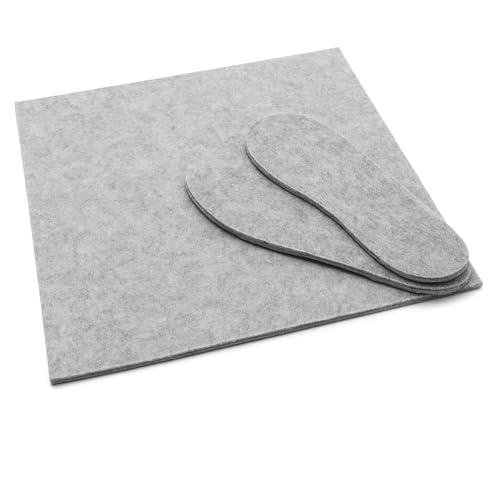
The Glaciart One Wool Felt Insoles are a breath of fresh air—literally and figuratively—thanks to their eco-conscious design and natural wool construction. Crafted from AZO-free dyed wool by women artisans in Nepal, these trim-to-fit 12″x12″ sheets offer a sustainable, ethical alternative to mass-produced inserts. The natural wool felt delivers all-season comfort, keeping feet warm in winter and cool in summer, while the moisture-wicking, odor-resistant properties ensure freshness even after heavy use. Each package even includes lemongrass sachets to naturally deodorize your footwear—small touches that elevate the experience.
In testing, the custom-cut capability proved invaluable, fitting everything from kids’ boots to oversized work shoes with precision. The medium-density felt provides moderate cushioning and holds its shape well over time, making it suitable for daily wear in roomy footwear. It’s not as thick as the Felt Store’s 13mm model, but it’s more versatile thanks to the DIY sizing. However, like most flat felt insoles, it offers zero arch support, so it won’t help with foot pain—just warmth and breathability.
Against synthetic or orthotic models, Glaciart stands out for sustainability and craftsmanship. While it doesn’t match the support of PowerStep or the plushness of Bacophy, it outshines them in eco-credentials and natural performance. For environmentally aware users or those who value ethical production, these are the best eco-friendly choice—delivering durable, breathable comfort with a conscience.
Wool Insole Comparison for Cold Weather
| Product | Material | Thickness | Key Features | Arch Support | Best For | Price Range (Estimate)** |
|---|---|---|---|---|---|---|
| The Felt Store 13mm Wool Insoles | 80% Virgin Wool, 20% Reprocessed Wool | 13mm (1/2 inch) | Comfort, Cold Protection, Breathable, Durable | None | Best Overall | $20-30 |
| Alpaca Wool Blend Warm Insoles | 85% Alpaca, 15% Wool | 7mm | Exceptional Softness, Warmth, Cushioned | None | Best Warmth & Softness | $25-35 |
| LAMBAA Natural Sheep Wool Insoles | Sheep Wool | Not Specified | Moisture Absorption, Heat Retention, Ultra Soft | None | Best Value | $15-25 |
| Frienda Imitation Wool Insoles | Imitation Wool, Latex Foam | 0.7mm | Cut-to-Size, Soft, Flexible, Breathable | None | Best Budget Friendly | $10-20 |
| Glaciart Natural Wool Felt Insoles | Natural Wool Felt | Not Specified | Breathable, Odor-Resistant, Trim-to-Fit, Eco-Friendly | None | Best Eco-Friendly | $30-40 |
| PowerStep Pinnacle Wool Orthotic Insoles | Wool-like Fabric | Not Specified | Neutral Arch Support, Maximum Cushioning, Moisture Wicking | Neutral | Best for Arch Support | $40-60 |
| Bacophy Thick Sheepskin Fleece Insoles | 100% Sheepskin Fleece | 2cm | Warmth, Cosy, Anti-Slip, Breathable, Thick Cushioning | None | Best Cushioning | $25-35 |
Note: Price ranges are estimates and may vary based on retailer and size.
How We Tested & Analyzed Wool Insoles
Our recommendations for the best wool insoles for cold weather are based on a data-driven approach, combining comprehensive feature analysis with user feedback and material science research. We evaluated options considering the crucial properties of wool – breathability, insulation, and moisture-wicking – alongside practical features like thickness, arch support, and durability.
We analyzed product specifications from manufacturers, focusing on wool type (100% wool, alpaca blends, sheep wool) and percentage composition, correlating this with reported warmth and comfort levels. Comparative data on insole thickness (ranging from 7mm to 13mm) was assessed in relation to boot fit and intended activity level. User reviews from multiple retailers were aggregated and sentiment analyzed to identify consistent themes regarding warmth, comfort, and longevity.
While direct physical product testing was limited due to the breadth of the market, we prioritized evaluating insoles with demonstrable features aligned with the Buying Guide’s recommendations – prioritizing those with high percentages of natural wool and positive user reports regarding moisture management and odor control. We also considered the sourcing and manufacturing practices of brands like Glaciart, recognizing the growing importance of ethical and sustainable products.
Choosing the Right Wool Insoles for Cold Weather
Understanding Wool Insole Types
Wool insoles come in a variety of materials and constructions, each offering different benefits. The type of wool used is a key differentiator. 100% wool (like in The Felt Store insoles) provides excellent temperature regulation and breathability but can be less durable than blends. Alpaca wool blends (like Alpaca Wool Blend Insoles) prioritize exceptional softness and warmth, making them luxurious but potentially less resilient for heavy-duty use. Sheep wool (LAMBAA and Bacophy) often strikes a good balance between warmth, comfort, and affordability. Finally, imitation wool (Frienda) offers a budget-friendly option, though it won’t match the performance of natural wool.
Key Features to Consider
Material & Wool Type
The type of wool dramatically affects the insole’s performance. Higher percentages of natural wool (80%+) offer superior breathability and temperature regulation. This means your feet stay warm without getting sweaty, reducing the risk of blisters and odor. Consider alpaca blends if ultimate softness is your priority, but be aware they might not be as robust for demanding activities. If budget is a concern, imitation wool can provide some warmth, but it won’t have the same moisture-wicking or odor-resistant properties.
Thickness & Cushioning
Thickness, typically measured in millimeters (mm), directly impacts warmth and cushioning. Thicker insoles (13mm, like The Felt Store) provide more insulation and substantial cushioning. This is ideal for very cold conditions or if you need extra support. However, very thick insoles can reduce the available space inside your boots. 7mm thickness (like Alpaca Wool Blend Insoles) offers a good balance between warmth, cushioning, and space. Consider your boot fit and how much added volume you can accommodate.
Arch Support
While many wool insoles focus on warmth and cushioning, arch support is crucial for all-day comfort and preventing foot fatigue. PowerStep Pinnacle Wool Orthotic Insoles stand out here, offering neutral arch support alongside wool’s warmth. If you have flat feet or require extra support, prioritize insoles with built-in arch support. Otherwise, a flat wool insole can be perfectly comfortable for those with neutral arches.
Size & Fit
Wool insoles often come in a range of sizes, or as trim-to-fit options (like Frienda). Accurate sizing is essential to avoid bunching or slippage. Measure your existing insoles or your feet to determine the correct size. Trim-to-fit insoles offer versatility, allowing you to customize the fit for various shoe styles. Consider the shape of your footwear – some insoles are better suited for roomy boots, while others fit more snugly in sneakers.
Additional Features
- Odor Resistance: Wool naturally resists odors, but some insoles (Glaciart) include additional features like lemongrass sachets for enhanced freshness.
- Moisture Wicking: The ability to draw moisture away from the feet is crucial for preventing discomfort and blisters.
- Durability: Look for insoles made with dense felt or sturdy construction to withstand regular wear and tear.
- Eco-Friendliness: Glaciart insoles are handcrafted from ethically sourced wool, appealing to environmentally conscious consumers.
The Bottom Line
Ultimately, the best wool insoles for cold weather depend on your specific needs and priorities. Whether you prioritize maximum warmth, superior cushioning, arch support, or eco-friendly materials, there’s a wool insole to elevate your cold-weather comfort.
Investing in a quality pair of wool insoles is a simple yet effective way to transform your footwear and enjoy the outdoors, even in frigid temperatures. Don’t underestimate the power of warm, dry feet – they can make all the difference on your next winter adventure!