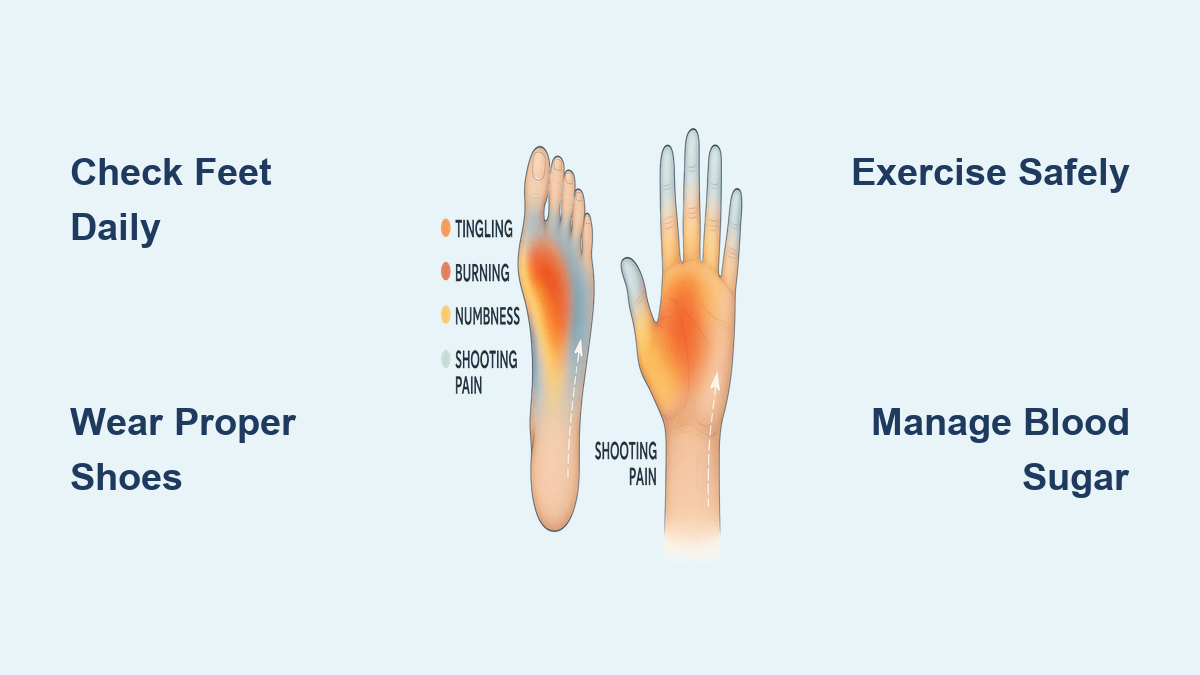
You’ve just finished a long hike or spent hours on your feet, and as you kick off your shoes, something feels off—your toes are tingly, cold, or completely numb. If this sounds familiar, you’re not alone. Numbness in the toes after long walks is surprisingly common, especially among hikers, backpackers, and endurance walkers. This sensation—often called digitalgia paresthetica or “Christmas toes”—typically stems from repetitive pressure and nerve compression during prolonged activity. While most cases resolve on their own within days or weeks, understanding how to treat and prevent this condition can speed recovery and keep you walking comfortably. In this guide, you’ll learn how to identify the cause, relieve symptoms fast, support nerve healing, and prevent future episodes—all backed by real hiker data and medical research.
Diagnose the Root Cause of Toe Numbness

Before jumping into treatment, pinpointing the source of your numbness is crucial. While mechanical stress from walking is the most common trigger, some causes require medical attention.
Tight or Poorly Fitting Footwear
Shoes that are too narrow or short are the top culprits behind post-walk toe numbness. As your feet swell during long hikes—especially on descents—your toes press against the front and sides of the shoe, compressing the digital nerves. This repeated trauma leads to numbness, tingling, or even swelling in the toes.
- Warning signs: Numbness only in the toes that hit the shoe tip, redness, blisters, or calluses.
- At risk: Hikers wearing shoes one size too small or with narrow toe boxes.
Nerve Compression From Heavy Backpacks
Long-distance hikers carrying heavy loads (20+ lbs) often develop digitalgia paresthetica, a condition caused by sustained pressure on sensory nerves in the foot. A 2016 study in the Journal of Special Operations Medicine linked this issue to thru-hikers on the Appalachian and Pacific Crest Trails.
- Who’s affected: Hikers logging 1,000+ miles with heavy packs.
- Recovery time: 98% recover within 30 days after ending their hike; others take 3–6 months.
Underlying Medical Conditions
If numbness occurs without physical activity or lasts longer than expected, consider these possibilities:
- Diabetic neuropathy: High blood sugar damages nerves over time.
- Morton’s neuroma: Thickened nerve tissue between the third and fourth toes.
- Tarsal tunnel syndrome: Compression of the tibial nerve at the ankle.
- Vitamin B12 deficiency: Common in vegans or people with digestive disorders.
- Spinal issues (e.g., sciatica): Nerve root compression can send numbness down to the toes.
Red flag: Numbness without walking, spreading symptoms, or balance issues—see a doctor immediately.
Immediate Relief for Numb Toes After a Long Walk
Act fast to reduce nerve irritation and restore sensation.
Rest and Elevate Your Feet
Stop walking and elevate your feet above heart level for 15–20 minutes. This reduces swelling and relieves pressure on compressed nerves.
- Do this: Lie down, prop feet on pillows.
- Avoid: Standing or walking on numb feet—lack of sensation increases injury risk.
Alternate Hot and Cold Soaks
This therapy boosts circulation and supports nerve recovery.
How to do it:
- Prepare two basins—one with warm water (not hot), one with cold.
- Soak feet for 1 minute in warm, then 1 minute in cold.
- Repeat 3–5 times, ending with cold.
- Perform 1–2 times daily.
Pro tip: Add Epsom salt to warm water to relax muscles and reduce inflammation.
Massage to Improve Blood Flow
Gentle massage increases circulation and may help “wake up” dormant nerves.
- Use oil or lotion to reduce skin friction.
- Focus on the ball of the foot and base of toes—common compression zones.
- Use circular motions and gently stretch each toe.
Some hikers report walking barefoot at home to reactivate sensation—while anecdotal, sensory input can support nerve signaling.
Perform Nerve Gliding Exercises to Restore Sensation
Nerves need movement to heal. Stiff or compressed nerves benefit from neurodynamic exercises that promote nerve gliding and mobility.
Sciatic Nerve Gliding (Seated)
Even foot numbness can stem from nerve tension in the lower back. This exercise targets the sciatic nerve, which runs from the spine to the toes.
Steps:
- Sit on a chair, back straight, feet flat.
- Extend one leg straight, heel on floor.
- Point toes upward (dorsiflexion).
- Gently pull toes toward your face, then point away.
- Repeat 10–15 times per leg.
Frequency: 2–3 times daily. Stop if pain or tingling worsens.
Deep Peroneal Nerve Gliding
Targets nerves in the front of the leg and top of the foot—areas often compressed during hiking.
Steps:
- Sit with legs extended.
- Point toes upward, then slowly flex foot downward.
- Add ankle circles (5–10 clockwise and counter-clockwise).
- Perform seated or lying down.
Goal: Smooth, pain-free motion. Progress only when no tingling increases.
Fix Your Footwear and Lacing Technique

Improper footwear is the #1 preventable cause of toe numbness.
Choose Shoes With a Wide Toe Box
Your toes need space to splay naturally, especially when feet swell.
- Look for: Brands like Altra, Topo Athletic, or Merrell with anatomical toe boxes.
- Test fit: At least half an inch between longest toe and shoe end.
- Buy late-day: Feet expand throughout the day—shop in the evening.
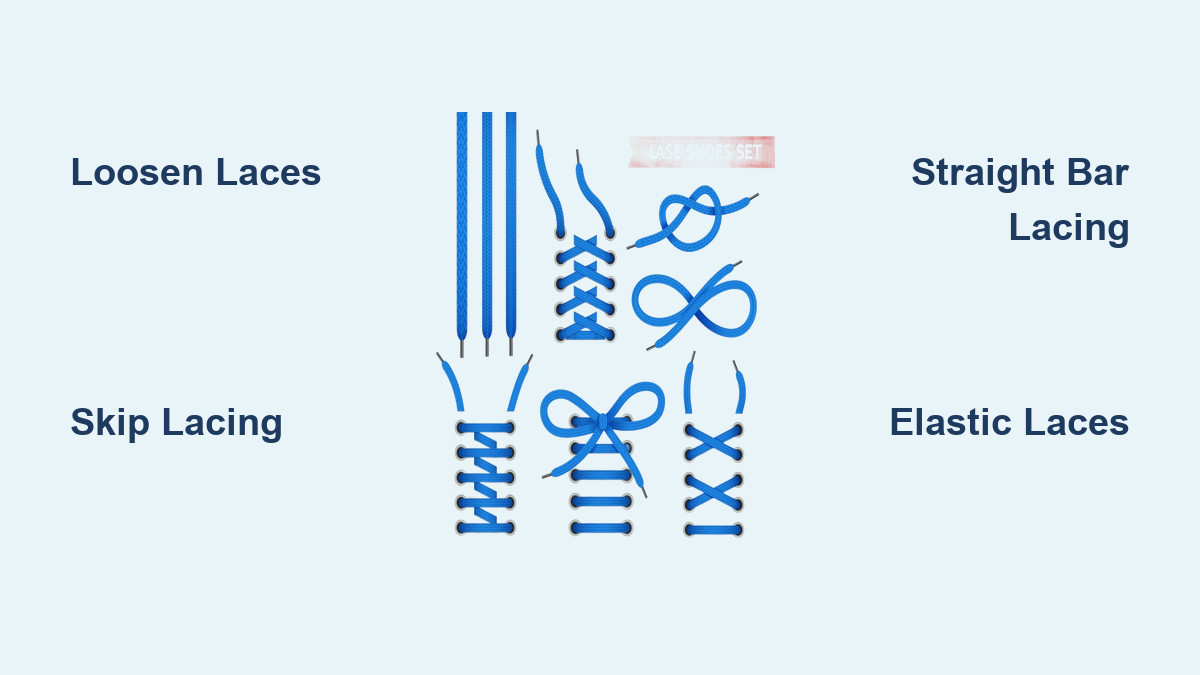
Use Smart Lacing Methods
Over-tightening the instep cuts off circulation and compresses nerves.
Recommended fixes:
- Skip the top eyelets if pressure builds across the foot.
- Use heel lock lacing (runner’s loop) to prevent foot slide.
- Avoid tight criss-cross lacing over the forefoot.
Warning: Never lace so tight that you lose pulse or sensation in toes.
Add Supportive Insoles or Orthotics
Custom or over-the-counter insoles redistribute pressure and decompress nerves.
- Best options: Vionic, Superfeet, or custom-molded orthotics.
- For tight boots: Use metatarsal pads to lift and relieve forefoot pressure.
Prevent Numbness on Future Walks
Stay ahead of the problem with smart preparation and technique.
Wear Properly Fitted Hiking Shoes
A 2022 trekker survey of 1,075 participants found 37% experienced toe numbness or swelling, often due to ill-fitting shoes.
Fit checklist:
- One size larger than usual to allow for swelling.
- Wide enough to avoid squeezing the ball of the foot.
- Try on with the hiking socks you plan to wear.
Pro tip: Wear two pairs of socks when fitting shoes to simulate real-world conditions.
Use Trekking Poles on Downhill Sections
Descending increases forward foot slide, slamming toes into the shoe tip. Trekking poles shift weight off your feet.
- Effect: Reduces impact force by up to 25%.
- Technique: Plant poles slightly ahead and lean back slightly on steep drops.
Adjust Your Descending Technique
Change how you walk downhill to protect your toes.
- Criss-cross pattern: Step diagonally across the slope instead of straight down.
- Use natural flats: Step on rocks or ledges to shorten stride and reduce impact.
- Shorten your stride: Take smaller steps to minimize toe pressure.
Track Recovery and Healing Time
Most cases resolve quickly—but nerves heal slowly.
Typical Recovery Timelines
- Mild cases: Sensation returns in 24–72 hours.
- Digitalgia paresthetica: 98% recover within 30 days post-hike.
- Severe cases: Can take 3–6 months, with rare cases lasting up to a year.
Fact: Nerves regenerate at about 1 mm per day—explaining why foot-to-brain recovery takes months.
When Progress Feels Slow
- Track sensation weekly: Can you feel light touch? Temperature?
- Keep doing nerve gliding and circulation exercises.
- Avoid re-injury: Don’t resume long walks until sensation stabilizes.
Know When to See a Doctor
Most toe numbness is temporary, but some signs demand medical care.
Seek Immediate Care If You Have:
- Sudden numbness with facial drooping, slurred speech, or arm weakness (possible stroke).
- Blackened skin or blisters (signs of frostbite).
- Fever, redness, or pus (infection risk).
Schedule a Doctor’s Visit If:
- Numbness lasts more than 4 weeks without improvement.
- Symptoms spread to feet, legs, or hands.
- You have diabetes, autoimmune disease, or B12 deficiency.
- Numbness occurs without physical activity.
Recommended Specialists
- Podiatrist: For Morton’s neuroma, metatarsalgia, or shoe-related issues.
- Neurologist: For peripheral neuropathy, sciatica, or MS.
- Endocrinologist: If diabetes is suspected.
- Vascular specialist: For poor circulation (e.g., PAD).
Diagnostic Tests Your Doctor May Order
If numbness persists, your provider may run tests.
Physical Examination
- Checks pulses, skin color, temperature, and reflexes.
- Uses a monofilament test to assess foot sensation.
Blood Tests
Screens for:
– Diabetes (HbA1c, fasting glucose)
– Vitamin B12, folate, thyroid levels
– Inflammatory markers (autoimmune conditions)
Nerve Conduction Studies (NCS)
Measures how fast electrical signals travel through nerves—helps diagnose neuropathy or compression.
Imaging
- MRI: Detects spinal issues (e.g., herniated disc) or tarsal tunnel syndrome.
- Ultrasound: Visualizes nerve thickening (e.g., Morton’s neuroma).
Summary: Key Takeaways and Next Steps
Numbness in the toes after long walks is usually caused by mechanical pressure, nerve compression, or repetitive impact—especially in hikers and trekkers. The good news? Most cases resolve within days to weeks with rest, proper care, and smart prevention.
Quick Recap:
- Cause: Tight shoes, heavy packs, poor lacing, or downhill walking.
- Treatment: Rest, hot/cold therapy, nerve gliding, massage.
- Prevention: Wide toe box, trekking poles, proper descent technique.
- Recovery: 1 mm/day nerve regrowth—patience is key.
- Red flags: Persistent numbness, diabetes, or neurological symptoms—see a doctor.
What You Should Do Now:
- Check your shoes—are they too tight?
- Try nerve gliding exercises daily.
- Soak feet in alternating hot and cold water.
- Monitor symptoms for 2–4 weeks.
- See a specialist if no improvement.
Your feet carry you through life—don’t ignore the warning signs. With the right care, you can walk farther, longer, and numbness-free.