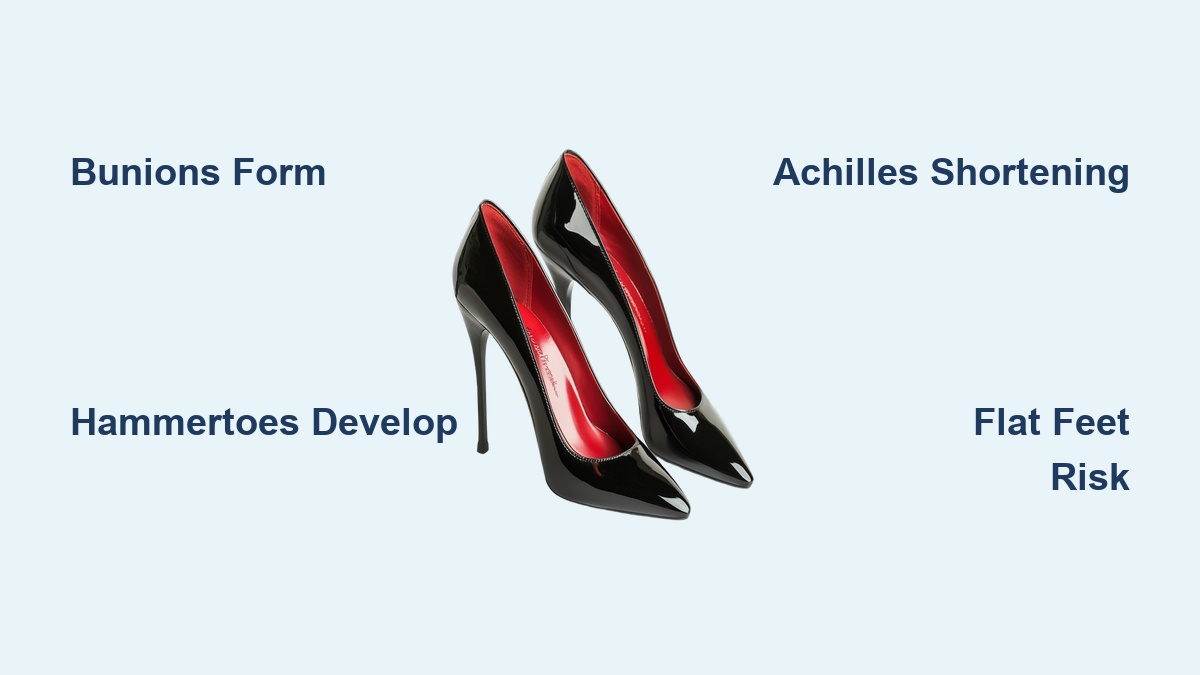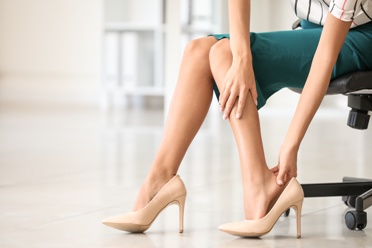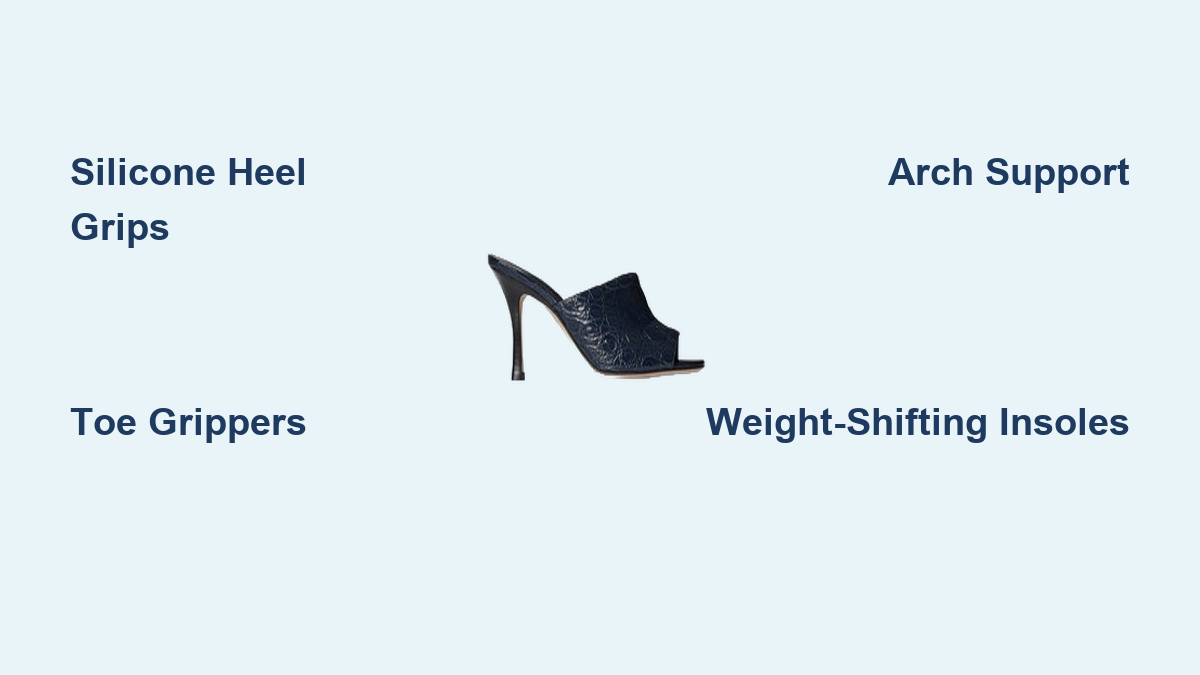
There’s nothing quite like slipping into a sleek pair of high heel mules—effortless, chic, and instantly elevating any outfit. But within minutes, that confidence can crumble when your heel starts creeping out with every step. Feet sliding in high heel mules is one of the most common—and frustrating—footwear issues, especially for those with narrow heels, wide forefeet, or high insteps. The very design that makes mules stylish—the open back—also makes them prone to instability.
The good news? You don’t have to choose between fashion and function. With the right combination of inserts, adhesives, walking techniques, and smart modifications, you can keep your feet securely in place without sacrificing style. From podiatrist-approved insoles to backstage tricks used by celebrities, this guide delivers practical, tested solutions to stop foot slippage for good.
Diagnose Why Your Heels Are Slipping
Before applying fixes, identify the root cause. Matching the solution to your foot type and shoe design increases effectiveness.
Narrow Heels with Wide Forefeet: The Most Common Culprit
If your heel slips but your toes feel cramped, you likely have a narrow heel and wide forefoot. Most mules are built for average-width feet, leaving narrow heels unsupported. As you walk, your foot slides forward, and your heel lifts—creating a frustrating cycle of instability.
Shoes That Are Slightly Too Big
Even a half-size too large can cause significant heel lift. Always try mules on at the end of the day when feet are slightly swollen, and wear the hosiery or socks you plan to pair with them.
Lack of Structural Support
Unlike pumps or ankle-strap heels, mules rely entirely on fit and friction. No heel counter or strap means your foot must stay put through grip alone—something many open-back designs simply can’t provide.
Material Stretch Over Time
Leather and fabric soften with wear, especially around the heel cup. What once felt snug may now gape, reducing contact and increasing slippage.
Sweat, Dry Skin, and Temperature
Moisture reduces friction—sweaty feet slide more. Conversely, lotion-coated or overly dry skin lacks grip. Slightly warm, hydrated feet tend to grip better due to natural expansion.
Use Silicone Heel Grips for Instant Support
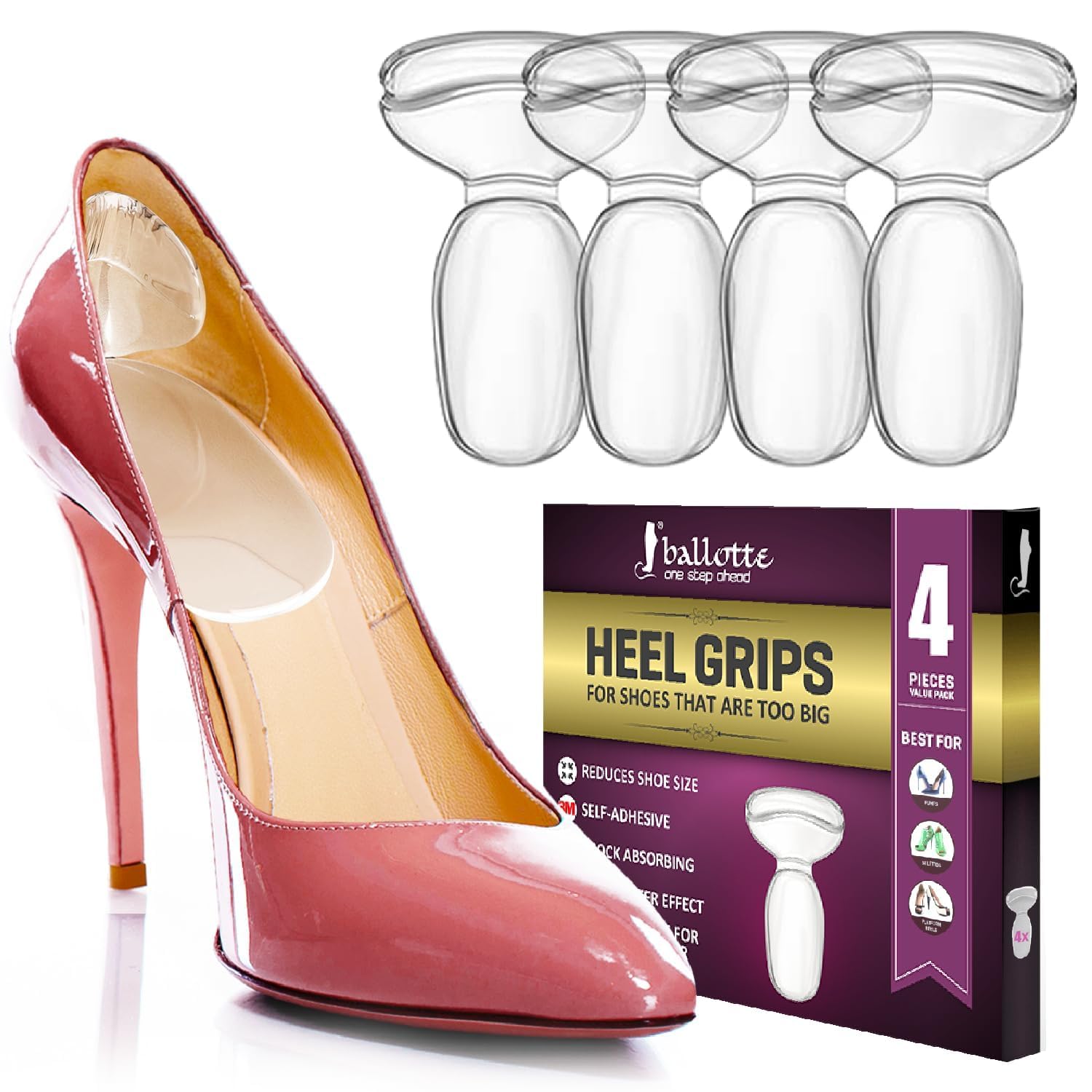
Heel grips are the fastest, most accessible fix for slipping heels.
Choose Reusable Silicone Pads
Ballotte Premium Silicone Heel Pads (3.9/5, 16.9K reviews) are a top pick—reusable, washable, and nearly invisible. They cushion the heel while filling excess space in the shoe, reducing slippage and preventing blisters.
Dr.Foot Heel Grips (4.1/5, 9.3K reviews) come with a shoe horn and stay firmly in place. Ideal for narrow heels and frequent wearers.
⚠️ Warning: Some users report that heel grips push the foot forward in tight toe boxes. If you feel pressure on your toes, skip this solution or pair it with a forefoot cushion.
Prevent Forward Slide with Toe Grippers

Slipping isn’t just backward—many wearers feel their foot slide forward, leaving the heel loose. That’s where toe grippers come in.
Try Textured Toe Inserts
The Pedag 132 Tan Toe Grip uses a textured leather surface in the toe box to create resistance. It encourages natural toe grip, helping reposition the foot back into the heel.
Less common but highly effective for those with wide forefeet, this insert works best when combined with heel support.
Cushion the Ball of the Foot to Reduce Pressure
Forward sliding often stems from weight imbalance. Without support, your body shifts pressure to the balls of your feet—forcing toes forward and heels out.
Apply Metatarsal Pads
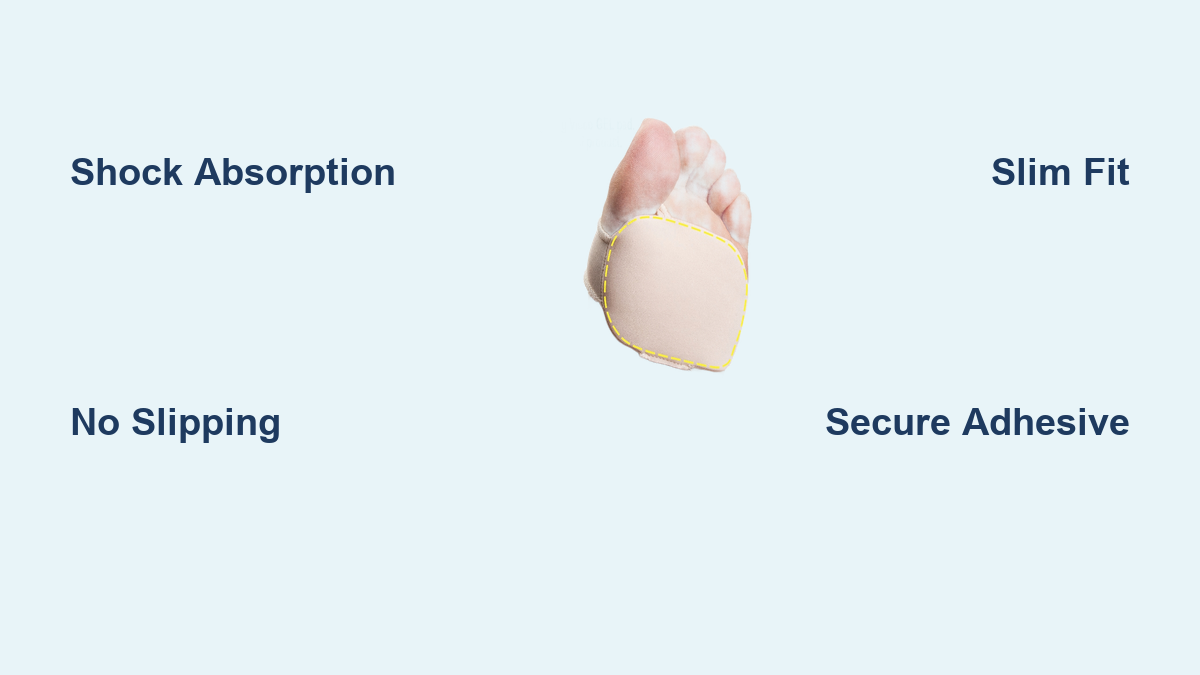
ZUCNANA Ball of Foot Cushions (4.3/5, 4.5K reviews, $9.99) absorb pressure and prevent sliding. Thin enough for open-toe mules, they stay discreet.
Dr. Scholl’s Ball of Foot Cushions ($7.50) are drugstore accessible and effective for short-term wear.
✅ Pro Tip: Insert pads before stepping into tight mules to avoid dislodging. Opt for thinner models in narrow styles.
Shift Weight Backward with Weight-Shifting Insoles
If cushioning isn’t enough, upgrade to weight-shifting insoles—engineered to tilt the foot slightly backward.
Use Insolia or Vivian Lou Insoles
Insolia Weight-Shifting Insoles (4.3/5, 162 reviews, $14.96) are designed by a podiatrist and rocket scientist. Their angled design redistributes weight from the forefoot to the heel, reducing toe pressure and heel lift.
One user shared: “These worked well when paired with a cushioning sole in the toe.”
⚠️ Note: These can feel rigid at first. Not ideal for all-day wear if you’re not used to biomechanical correction.
Add Arch Support for Long-Term Stability
Flat feet or low arches contribute to slippage. Without proper alignment, your foot collapses forward, destabilizing the heel.
Try Superfeet or Powerstep Insoles
Superfeet Dress Fit 3/4 Insoles offer rigid support that fills the heel cup and locks the foot in place—ideal for narrow heels.
Superfeet Delux High Heel Insoles ($29.95) are tailored for heels, providing arch lift and heel control.
💬 User insight: “Rigid supports add a bit of heel lift—you have to experiment to find one you like.”
⚠️ Thick insoles may reduce heel cup depth. Test fit before committing.
Stick It: Use Adhesives and Tapes for Emergency Fixes
For events or last-minute fixes, adhesives create instant grip between skin and shoe.
Apply Double-Sided Fashion Tape
Used by celebrities like Jessica Alba, medical-grade double-sided tape applied to the heel or inside strap prevents slippage. Removes cleanly and is invisible under clothing.
Spray with Hairspray
A quick hack: lightly spray the inside heel cup with unscented hairspray. Let it dry slightly—it leaves a tacky surface that grips skin.
🛑 Warning: Don’t overuse. Can degrade delicate linings over time.
Try Baseball Tack Spray
Stronger than hairspray, baseball bat tack spray offers superior grip. Popular among performers and dancers. Use sparingly.
Try Natural Grip Boosters
Prefer chemical-free solutions? Try these natural options.
Rub with Beeswax
A user-recommended trick: rub beeswax inside the heel area. Increases friction and adds water resistance.
⚠️ May transfer to tights. Test first.
Fill the Toe Box with Lambs Wool
Ballet dancers use lambs wool to pad pointe shoes—and it works for mules too.
Moldable, Comfortable Fit
Stuff small pieces in the toe area to “push” your foot back into the heel. Customizable and soft.
❌ Drawback: Not discreet. Best for closed-toe mules worn with opaque tights.
Add Straps for Permanent Security

If you love a pair but can’t keep them on, straps offer a permanent fix.
Use Detachable Shoe Straps
Available on Amazon UK, these clip-on straps attach to the heel and cross the ankle. Reusable, adjustable, and removable.
💬 One user said: “Wow, that’s pretty clever.” Others dislike the criss-cross look.
DIY Ribbon or Elastic Strap
Sew a thin ribbon or elastic band across the back. Match the shoe color for subtlety.
✅ Tip: Use strong thread and reinforce stitching. Test on an old pair first.
Boost Insole Traction

Even with inserts, feet can slide on the insole. Add grip at the interface.
Apply Non-Slip Shoe Pads
Foot Petals No Slip Grips stick to the insole and increase foot-to-shoe friction. Prevent micro-movements that lead to blisters.
Clear Non-Slip Shoe Pads (4.7/5, 170 reviews) are invisible and effective for stilettos and pumps.
Optimize Fit and Shoe Condition
Sometimes, the fix starts before you even step in.
Size Shoes Correctly
- Measure feet at day’s end.
- Wear mules with intended hosiery.
- Avoid shoes more than half a size too big.
Break In Gently
Wear mules indoors for 15–30 minutes daily. Let materials mold to your foot. Use shoe stretchers for tight toe boxes—but avoid stretching the heel.
Protect Soles and Heels
Heel caps prevent stiletto tips from sinking into grates. Non-slip bottom pads (like Ashoesert, 4.4/5, $6.99) improve floor grip and reduce slipping—especially on marble or tile.
Control Your Foot Environment
Your foot’s condition affects grip.
Keep Feet Dry
- Apply clinical-strength deodorant hours before wearing mules—reduces sweat and odor.
- Dust shoes with baby powder to absorb moisture.
- Wear moisture-wicking socks in cooler weather.
Avoid Lotion Before Wearing
Moisturized skin is slippery. Apply lotion after removing shoes.
Adjust Your Walking Technique
How you walk impacts stability.
Stand Tall, Shift Weight Back
“The problem with heels is weight shifts forward… correct posture by redistributing weight onto your heels.” — approprio (expert)
- Engage core, pull shoulders back.
- Distribute weight evenly across foot.
- Take short, controlled steps.
Practice Heel Walking
Walk barefoot in heels at home to build muscle memory. Focus on landing heel-first, not toe-first.
✅ Tip: Heels are better for standing or short walks—save long distances for flats.
Match Solutions to Your Foot Type
Not all fixes work for everyone. Tailor your approach.
Wide Forefoot, Narrow Heel (e.g., elpgal)
- ❌ Avoid heel grips—they push foot forward.
- ✅ Try metatarsal pads or 3/4 arch supports.
- ✅ Choose mules with wider lasts or ankle straps.
High Instep, Flat Feet (e.g., gradfashionista)
- ✅ Rigid arch supports (Superfeet) correct alignment.
- ⚠️ May reduce heel cup depth—test fit.
High Arches, Narrow Heels (e.g., Suz)
- ✅ Prefers Munro Robyns for natural heel grip.
- ✅ Low heels (2–2.5”) offer more stability.
Final Tips to Keep Mules On
- Layer Solutions: Combine ball-of-foot cushion + arch support + non-slip pad for max hold.
- Save Adhesives for Events: Hairspray or tape for weddings, parties, or photos.
- Invest in Quality: Superfeet, Insolia, or Foot Petals pay off in comfort and shoe longevity.
- Modify Favorite Pairs: Add detachable straps to beloved mules you can’t walk in.
- Practice Posture: Good gait reduces slippage as much as any insert.
- Retire Problematic Pairs: If nothing works, reserve them for short wear or donate.
Final Note: No single fix works for all. Success comes from combining fit, support, friction, and technique. With the right strategy, you can wear high heel mules confidently—heel firmly in place, stride smooth, and style intact.