Standing on hard tile or concrete floors for 6–8 hours a day isn’t just exhausting—it’s physically damaging. If you’re a retail worker, you’ve likely felt the heavy, aching legs, swollen feet, or sharp heel pain that creeps in by the end of your shift. But leg fatigue is not inevitable. Prolonged static standing disables your body’s natural circulation system, starves muscles of oxygen, and increases pressure in your leg veins. The good news? With the right strategies—backed by medical research and real-world experience—you can significantly reduce leg fatigue and protect your long-term health. This guide delivers practical, science-based solutions tailored for retail environments: from supportive shoes and compression socks to micro-movements, smart breaks, and recovery habits that keep your legs strong and pain-free.
Wear Supportive, Ergonomic Work Shoes
Your shoes are your foundation—literally. Poor footwear multiplies impact stress with every step, turning an 8-hour shift into a daily injury risk.
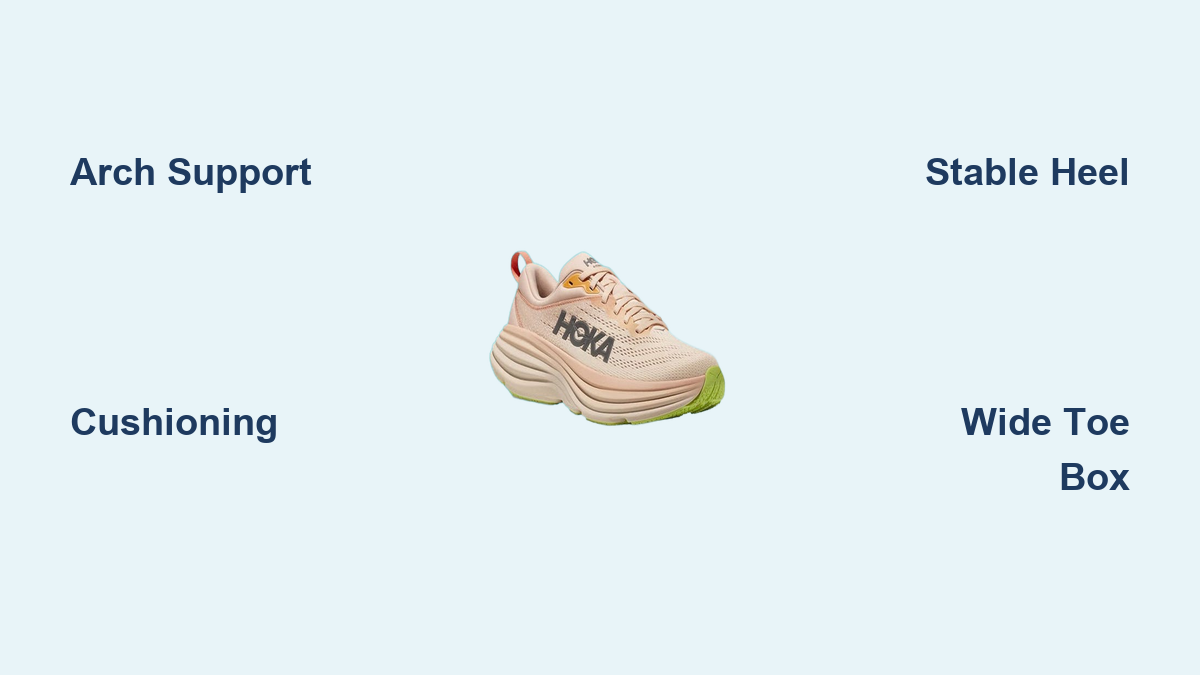
What to Look for in Leg-Friendly Shoes
Choose shoes with these five essential features:
– Firm heel counter: Press the back of the shoe—if it collapses, it won’t stabilize your ankle.
– Torsional rigidity: The shoe should resist twisting. Only the ball of the foot should bend.
– Arch support: Prevents overpronation and reduces strain on the plantar fascia and calves.
– Cushioned midsole: Absorbs shock from hard floors like concrete and tile.
– Wide toe box: Lets your toes spread naturally, reducing pressure and preventing bunions.
Avoid flat shoes like ballet flats or worn-out sneakers—they offer zero support and increase fatigue.
Best Shoe Types for All-Day Standing

- Nurse shoes (e.g., Dansko, Crocs with built-in arch support): Designed for 12-hour shifts, with excellent cushioning and stability.
- Merrell with Vibram soles: Durable, grippy, and ideal for long hours on slippery or uneven surfaces.
- Hiking shoes: Offer ankle support and deep cushioning—perfect if you’re lifting or moving stock.
- Cross-training athletic shoes: Provide motion control and shock absorption. Replace every 6–12 months or when soles wear thin.
Use Compression Socks Daily to Improve Circulation
Compression socks aren’t just for travelers—they’re a must-have for retail workers. They help fight leg fatigue at its source: poor blood flow.
How Compression Socks Work

They apply graduated pressure—tightest at the ankle, gradually decreasing up the leg. This:
– Boosts blood return to the heart
– Reduces swelling (edema)
– Prevents varicose veins
– Can cut leg fatigue by up to 50%
Choose the Right Level and Wear Them Correctly
- 15–20 mmHg: Ideal for daily wear and prevention. Available over-the-counter.
- 20–30 mmHg: Medical-grade—use only if prescribed.
Pro tips:
– Put them on first thing in the morning, before swelling starts.
– Wear knee-highs to cover key problem areas.
– Look for non-slip tops to avoid constant readjusting.
– Replace every 3–6 months—compression weakens over time.
Stand on Anti-Fatigue Mats to Reduce Joint Strain
Hard floors are a major cause of leg fatigue. Anti-fatigue mats are a simple but powerful fix.
How Anti-Fatigue Mats Help
These mats provide a slightly cushioned surface that:
– Encourages subtle muscle movement in your legs
– Activates the calf pump for better circulation
– Reduces impact on joints and muscles
Where and How to Use Them
- Place at the cash wrap, fitting rooms, or any spot where you stand for more than 10 minutes.
- If your store doesn’t provide mats, buy your own (36” x 20” rubber mat).
- Choose mats with beveled edges to prevent tripping.
Even a small mat under your feet can make a noticeable difference by the end of your shift.
Move Every 5–10 Minutes to Keep Circulation Flowing
Standing still is worse for your legs than walking. Static standing shuts down your calf muscle pump, the body’s “second heart” that pushes blood back up your legs.
Simple Micro-Movements to Do On the Job
- Calf raises: Lift your heels, rise onto your toes, then lower slowly. Do 10–15 reps.
- Weight shifts: Rock side to side or front to back. Never lock your knees.
- Ankle circles: Rotate your ankles clockwise and counterclockwise to keep joints mobile.
- March in place: 30 seconds during a break gets blood flowing fast.
Pro tip: Set a silent phone reminder every 7 minutes to prompt movement—even small shifts count.
Stretch During Breaks to Relieve Tension
Stretching breaks up stiffness, relieves tight muscles, and improves circulation. Use your break time wisely.
Top 5 Stretches for Retail Workers
Calf Stretch (Gastrocnemius)
- Stand facing a wall, one foot forward.
- Keep your back leg straight, heel down.
- Lean forward until you feel a stretch in the calf.
- Hold 30 seconds. Repeat 3 times per leg.
Soleus Stretch (Deep Calf)
- Same stance, but bend both knees.
- Keep your back heel on the floor.
- Lean forward—you’ll feel the stretch lower in the calf.
Plantar Fascia Stretch
- Sit, cross one foot over your knee.
- Pull your toes back toward your shin.
- Hold 30 seconds. Fights heel pain at its root.
Hamstring Stretch
- Sit on the floor, one leg extended.
- Reach toward your toes, keep your back straight.
- Hold 30 seconds per side.
Hip Flexor Stretch
- Step one foot forward into a lunge.
- Lower your back knee to the floor.
- Gently push your hips forward.
- Hold 30 seconds. Relieves lower back strain.
Bonus: Try a standing forward bend—hinge at the hips, arms hanging—to stretch your back and hamstrings.
Take Smart Breaks Every Hour
Sitting isn’t laziness—it’s recovery. Your legs need downtime to reset.
Follow the 50% Standing Rule
You shouldn’t stand more than 50% of your shift. Alternate between:
– Standing
– Sitting
– Walking (when possible)
Maximize Your Breaks for Leg Recovery
- Sit down for 5–10 minutes every hour.
- Elevate your legs—rest your feet on a stool or chair.
- Remove your shoes briefly (if allowed) and massage your feet.
- Hydrate—dehydration worsens cramps and fatigue.
If your store doesn’t allow seated breaks, talk to your manager. OSHA supports ergonomic wellness, and many employers are open to small changes that improve worker health.
Strengthen Your Legs Outside of Work
Stronger muscles resist fatigue better. Build endurance with simple exercises.
Weekly Routine (3x per week)

- Calf raises: 3 sets of 15–20 reps
- Bodyweight squats: 3 sets of 10–15 reps
- Lunges: 3 sets of 10 per leg
- Toe raises: Lift your toes off the floor, hold 3 seconds. Builds foot strength.
Why it works: Strong calves and feet support your arches, improve posture, and pump blood more efficiently—reducing fatigue on the job.
Optimize Your Workstation for Comfort
Your environment should support your body—not work against it.
Fix These Common Issues
- Cash wrap too high or low? Adjust shelf height so you don’t bend or reach.
- No place to rest a foot? Use a small footrest or low stool to shift weight.
- Awkward layout? Rearrange frequently used items to reduce overreaching.
Pro tip: If shelves are too high, request a step stool. It prevents back strain and improves safety.
Practice Daily Recovery Habits at Home
Your off-duty hours are when your body heals. Make recovery part of your routine.
At-Home Recovery Routine
- Elevate your legs above heart level for 30 minutes.
- Roll your feet over a tennis ball, golf ball, or frozen water bottle to break up tight fascia.
- Soak your feet in warm water with Epsom salt—soothes muscles and reduces inflammation.
- Wear compression socks at home if your legs are still swollen.
Stay Active on Days Off
- Walk, swim, or cycle—low-impact activities boost circulation.
- Try yoga—improves flexibility, balance, and mental resilience.
Fuel Your Body with Hydration, Nutrition, and Sleep
Your legs need proper fuel and rest to recover from daily strain.
Hydration
- Drink water before, during, and after your shift.
- Dehydration causes cramps and worsens fatigue.
- Avoid sugary drinks—they lead to energy crashes.
Nutrition
- Eat balanced meals with protein, complex carbs, and healthy fats.
- Avoid heavy lunches—digestion drains energy.
- Skip alcohol before bed—it disrupts deep, restorative sleep.
Sleep
- Aim for 7–8 hours per night.
- Allow 10 hours between shifts for full recovery.
- Keep a consistent sleep schedule, even on days off.
Know When to See a Doctor
Pain isn’t normal. Persistent symptoms may signal a serious condition.
See a Specialist If You Have:
- Heel or arch pain lasting more than a week (possible plantar fasciitis)
- Swelling that doesn’t go down with elevation
- Visible varicose veins
- Numbness, tingling, or burning in feet
- Changes in foot shape (bunions, hammertoes)
- Chronic back or neck pain
Who to See
- Podiatrist: For foot pain, custom orthotics, gait issues.
- Vein specialist (phlebologist): For swelling, varicose veins, circulation problems.
- Physical therapist: For personalized rehab and posture training.
- Chiropractor: For spinal alignment and muscle tension.
Final Note: Leg fatigue doesn’t have to be part of your job. With the right shoes, compression socks, micro-movements, smart breaks, and recovery habits, you can protect your legs and work longer, healthier shifts. Employers can help by providing mats and break policies—but your health starts with you. Start today: swap in supportive shoes, grab compression socks, and move every 10 minutes. Your legs will thank you.